

Categories
Blog Article Featured Mental Health

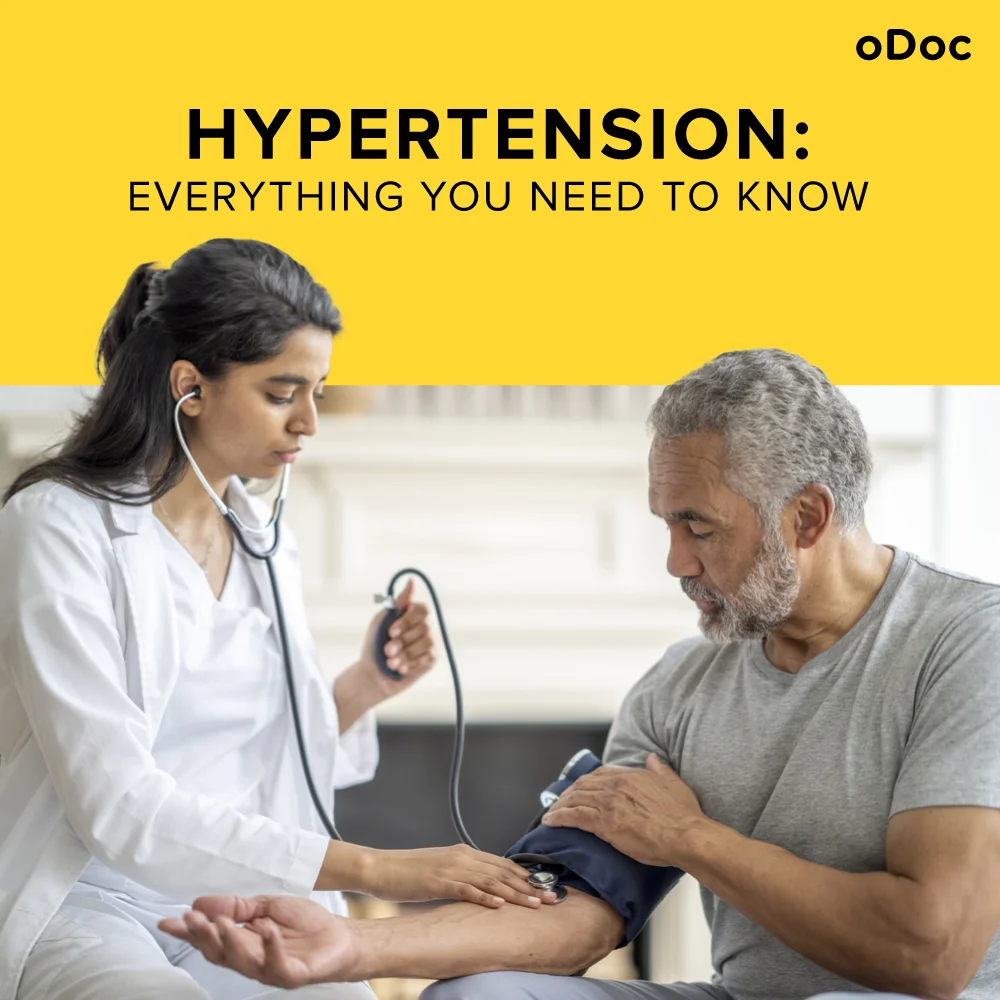
Hypertension: Everything You Need to Know

Hypertension: Everything You Need to Know

Shares

Hypertension, commonly known as high blood pressure, is a chronic medical condition that affects a significant portion of the global population. Despite its prevalence, many individuals remain unaware of hypertension’s potential dangers. In this comprehensive guide, we will delve into the various aspects of hypertension, including its symptoms, risk factors, and prevention, and shed light on this silent but severe health concern.

Fact check: According to WHO, 26.2% of Sri Lanka’s adult population has hypertension.

Understanding Hypertension

Hypertension is characterised by consistently elevated blood pressure levels, specifically when the systolic pressure exceeds 130 mmHg and/or the diastolic pressure surpasses 80 mmHg. Blood pressure is a measurement of the force exerted by the blood against the walls of the arteries as it flows through them.

Symptoms of Hypertension

One of the reasons hypertension is often referred to as the “silent killer” is that it rarely presents noticeable symptoms in its early stages. However, as the condition progresses, some individuals may experience frequent headaches, dizziness, blurred vision, fatigue, chest pain, difficulty breathing, and irregular heartbeat. It’s crucial to be aware of these warning signs and seek medical attention if they arise.

Risk Factors

Understanding the risk factors associated with hypertension is essential for prevention and early detection. Several factors can contribute to the development of high blood pressure:

  1. Genetic Predisposition: A family history of hypertension increases the likelihood of developing the condition.
  2. Unhealthy Lifestyle Choices: Poor diet, excessive salt consumption, lack of physical activity, obesity, smoking, and excessive alcohol consumption can all contribute to high blood pressure.
  3. Underlying Medical Conditions: Certain medical conditions, such as diabetes, kidney disease, and sleep apnea, can increase the risk of hypertension.
  4. Age: The risk of hypertension increases as blood vessels lose their elasticity over time.
  5. Stress: Chronic stress can lead to high blood pressure, so managing stress is crucial.

Prevention of Hypertension

While some risk factors for hypertension, such as genetics, cannot be modified, adopting a healthy lifestyle can significantly reduce the likelihood of developing the condition. Here are some preventive measures to consider:

  1. Maintain a Balanced Diet: Focus on consuming a diet rich in fruits, vegetables, whole grains, lean proteins, and low-fat dairy products. Limit your intake of saturated fats, cholesterol, and sodium.
  2. Regular Exercise: Engage in moderate aerobic exercise, such as brisk walking, swimming, or cycling, for at least 150 minutes per week. Incorporate strength training exercises to build muscle and improve cardiovascular health.
  3. Limit Alcohol and Tobacco: Minimise alcohol consumption and avoid tobacco products altogether. Both substances can raise blood pressure and contribute to other health complications.
  4. Stress Management: Practise stress-reducing techniques like deep breathing exercises, meditation, yoga, or engaging in hobbies to manage stress levels effectively.
  5. Maintain a Healthy Weight: Achieve and maintain a healthy body weight through a balanced diet and regular exercise. Losing excess weight can significantly lower blood pressure.

Hypertension is a prevalent medical condition that requires attention and proactive management. By understanding the symptoms, risk factors, and prevention measures associated with hypertension, individuals can take proactive steps to maintain optimal blood pressure levels and reduce the risk of associated health complications. Early detection, regular monitoring, and healthy lifestyle choices are key to managing hypertension effectively and promoting overall well-being.

If you suspect you have hypertension, it’s advised to speak to your primary care physician and you can do this with just a few taps via the oDoc app!


Sources

Hypertension.” World Health Organization (WHO), 16 March 2023, https://www.who.int/news-room/fact-sheets/detail/hypertension.

High Blood Pressure Symptoms and Causes | cdc.gov.” Centers for Disease Control and Prevention,

https://www.cdc.gov/bloodpressure/about.htm

High blood pressure (hypertension) – Symptoms and causes.” Mayo Clinic, 15 September 2022, https://www.mayoclinic.org/diseases-conditions/high-blood-pressure/symptoms-causes/syc-20373410


Shares

Similar Articles...

Channel a doctor in just three taps

Download oDoc Now

Back to oDoc Blog

Categories
Uncategorized

Animal Protein vs Plant Protein: Understanding the Differences, Benefits and Drawbacks.

Animal Protein vs Plant Protein: Understanding the Differences, Benefits and Drawbacks.

Shares

Protein is an essential nutrient vital in various physiological functions within the human body. Regarding protein sources, animal and plant protein are two main categories individuals often consider. Both types offer unique characteristics, and understanding their differences can help you make informed dietary choices. This article will explore the disparities between animal and plant protein and discuss their benefits and drawbacks. So, let’s delve deeper into the world of protein!

Understanding Animal Protein

Animal protein is derived from animal sources such as meat, poultry, fish, eggs, and dairy products. These sources are known for their high biological value and provide essential amino acids for proper functioning.

Definition and Sources of Animal Protein

Animal protein encompasses many foods and is widely available in the human diet. It is primarily obtained from animal sources, including:

  • Meat: Beef, pork, lamb, etc.
  • Poultry: Chicken, turkey, duck, etc.
  • Fish and seafood: Salmon, tuna, shrimp, etc.
  • Eggs: Chicken, quail, or duck eggs
  • Dairy products: Milk, cheese, yoghurt, etc.

Nutritional Composition of Animal Protein

Animal protein is recognized for its complete amino acid profile, meaning it contains all the essential amino acids required by the human body. The body cannot synthesise these essential amino acids, which must be obtained from dietary sources. Animal protein also provides vital nutrients like vitamins, minerals, and healthy fats, depending on the specific animal source.

Benefits and Drawbacks of Animal Protein

Animal protein offers several benefits. It is a rich source of high-quality protein, which aids in muscle growth, repair, and maintenance. Additionally, animal protein contains essential nutrients such as vitamin B12, iron, and zinc, which are more readily absorbed by the body than their plant-based counterparts.

However, there are certain drawbacks to consider. Some animal protein sources can be high in saturated fats and cholesterol, which may contribute to cardiovascular issues when consumed in excess. Moreover, animal agriculture has significant environmental impacts, including greenhouse gas emissions and deforestation.

Compared to Animal protein vs plant protein. The Benefits of Animal protein.

Exploring Plant Protein

Plant protein is derived from plant-based sources such as legumes, nuts, seeds, grains, and certain vegetables. It offers a wide array of options for individuals following different dietary patterns, including vegans and those seeking to reduce their consumption of animal products.

Definition and Sources of Plant Protein

Plant protein can be found in various foods and ingredients, including:

  • Legumes: Lentils, chickpeas, black beans, soybeans, etc.
  • Nuts and seeds: Almonds, walnuts, chia seeds, flaxseeds, etc.
  • Grains: Quinoa, brown rice, oats, wheat, etc.
  • Vegetables: Spinach, broccoli, peas, Brussels sprouts, etc.

Nutritional Composition of Plant Protein

Plant protein sources often contain a good amount of fibre, vitamins, minerals, antioxidants, and protein. While plant proteins may not always offer a complete amino acid profile, combining different plant protein sources can help achieve a balanced amino acid intake.

Benefits and Drawbacks of Plant Protein

Plant protein brings numerous benefits to the table, and it is generally lower in saturated fats and cholesterol compared to animal protein, making it heart-healthy. Plant-based diets have also been associated with reduced risk of chronic diseases such as cardiovascular disease, certain cancers, and type 2 diabetes.

However, there are a few considerations to keep in mind. Some plant protein sources may be lower in certain essential amino acids, such as lysine or methionine. However, these amino acids can still be obtained with a varied and balanced plant-based diet. Additionally, some plant proteins may contain anti-nutrients, such as phytic acid, which can inhibit the absorption of certain minerals like iron and zinc. Proper cooking techniques and food combinations can mitigate this issue.

Compared to Animal protein vs plant protein. The Benefits of plant protein.

Animal Protein vs. Plant Protein

Now that we have explored the characteristics of animal and plant proteins individually let’s compare them to better understand their differences.

Protein Quality and Bioavailability

Animal protein is considered a complete protein because it contains all the essential amino acids in the proper proportions for human requirements. This makes it highly bioavailable, meaning the body can easily absorb and utilise these amino acids.

On the other hand, while some plant proteins may lack certain essential amino acids, combining different plant protein sources can result in a complete amino acid profile. For example, combining legumes with grains, nuts, and seeds can provide a diverse range of amino acids. This practice is essential for individuals following a vegan or vegetarian diet to ensure adequate protein intake.

Digestion and Absorption

Animal protein tends to be more easily digested and absorbed by the body due to its protein structure and amino acid composition. The digestibility of plant protein can vary depending on the source and processing methods. Cooking, soaking, or fermenting specific plant protein sources can enhance their digestibility and reduce the presence of anti-nutrients.

In conclusion, animal and plant proteins offer unique benefits and considerations. Animal protein provides a complete amino acid profile and is highly bioavailable, while plant protein brings numerous health benefits and is more sustainable. Integrating both types of protein into your diet can help you achieve a well-rounded and nutritionally balanced approach. Consider your dietary preferences, health goals, and environmental impact when choosing protein sources. You can learn more about making your diet effective by speaking to a dietician or nutritionist with just a few taps via the oDoc app


Sources

“Animal vs. Plant Protein — What’s the Difference?” Healthline, 17 June 2017, https://www.healthline.com/nutrition/animal-vs-plant-protein.

“Plant vs. Animal Protein: Which Is Better for Building Muscle, Weight Loss.” Healthline, 14 April 2023, https://www.healthline.com/health-news/animal-plant-protein-comparison

“Animal Protein Versus Plant Protein: What’s the Difference?” WebMD, 15 November 2021, https://www.webmd.com/diet/difference-between-animal-protein-plant-protein.


Shares

Similar Articles...

Channel a doctor in just three taps

Download oDoc Now

Back to oDoc Blog

Categories
Blog Article Featured Mental Health

Understanding Borderline Personality Disorder: Symptoms, Causes, and Treatment Options

Understanding Borderline Personality Disorder: Symptoms, Causes, and Treatment.

Shares

Borderline Personality Disorder (BPD) is a mental health disorder characterised by instability in mood, behaviour, and relationships. People with BPD experience intense and frequent mood swings, and their self-image and interpersonal relationships are often unstable and erratic. This article will discuss the symptoms, causes, diagnosis, and treatment of Borderline Personality Disorder.

Symptoms of Borderline Personality Disorder

The symptoms of BPD can vary, but they often include emotional instability, impulsive behaviour, fear of abandonment, and an unstable self-image. People with BPD may also have difficulty managing anger, suffer from anxiety and depression, and engage in self-destructive behaviours such as substance abuse, gambling, and risky sexual behaviour.

Individuals with BPD often experience a deep fear of abandonment and may go to great lengths to avoid being alone. This fear of abandonment can manifest in various ways, including clinginess, desperation, or anger when their loved ones don’t meet their expectations. In addition, individuals with BPD often have a distorted self-image and may feel they don’t know who they are. They may change their goals, values, and opinions frequently and have difficulty maintaining stable relationships.

Causes of Borderline Personality Disorder

The exact causes of BPD are not well understood, but it is believed that a combination of biological and environmental factors can contribute to the development of the disorder. Some research suggests that genetic factors may be involved, as individuals with a family history of BPD are likely to develop the condition. Other potential risk factors for BPD include early trauma, neglect, and emotional or physical abuse.

Diagnosis and Treatment

Diagnosing BPD can be challenging, as the symptoms can overlap with other mental health disorders. However, mental health professionals use specific diagnostic criteria outlined in the Diagnostic and Statistical Manual of Mental Disorders (DSM-5) to diagnose. In addition to clinical evaluation, screening tools such as the McLean Screening Instrument for Borderline Personality Disorder and the Personality Assessment Inventory are commonly used to assess BPD symptoms.

There is no known cure for BPD, but treatment can help individuals manage their symptoms and improve their quality of life. Treatment typically involves a combination of medication and psychotherapy. Antidepressants, mood stabilisers, and antipsychotics may be prescribed to help manage symptoms such as anxiety, depression, and mood swings. Psychotherapy, such as Cognitive Behavioral Therapy (CBT) or Dialectical Behavior Therapy (DBT), can help individuals learn coping skills, emotional regulation, and interpersonal skills.

DBT is a specific type of psychotherapy that was developed specifically for individuals with BPD. DBT focuses on mindfulness, distress tolerance, emotional regulation, and interpersonal effectiveness. This type of therapy has been shown to be effective in reducing suicidal behavior, self-harm, and hospitalizations.

Living with someone with Borderline Personality Disorder

Living with someone who has BPD can be challenging. It is important to remember that the symptoms of BPD are not a personal attack on you, and it is essential to maintain healthy boundaries and take care of yourself. Supporting someone with BPD may involve setting limits, being patient, and encouraging them to seek professional help.

Caregivers of individuals with BPD may also benefit from therapy and support groups. It is important to remember that you are not alone, and there are resources available to help you cope.

Borderline Personality Disorder can be a challenging disorder to live with, but with proper treatment and support, individuals with BPD can lead fulfilling lives. The key to managing BPD symptoms is to seek professional help and engage in therapy. Medication can also help to manage symptoms such as depression and anxiety. It is essential for caregivers and loved ones to be patient and supportive and to seek their own support when needed. 

If you or someone you know is experiencing symptoms of borderline personality disorder (BPD), you can start by consulting a psychiatrist or a clinical psychologist from the comfort of your home via the oDoc app. 


Sources

Shares

Similar Articles...

Channel a doctor in just three taps

Download oDoc Now

Back to oDoc Blog

Categories
Blog Article Featured Mental Health

Panic Attack vs. Anxiety Attack: Symptoms, Causes, and Treatment Options

Panic Attack vs. Anxiety Attack: Everything you need to know.

Shares

Anxiety and panic attacks are mental health conditions that can cause significant distress and interfere with daily life. While the two terms are often used interchangeably, there are essential differences between the two. Understanding the difference between a panic attack and an anxiety attack is necessary to receive the appropriate treatment and manage symptoms effectively.

What are Panic Attacks?

A panic attack is a sudden and intense episode of fear or anxiety that often occurs without warning. The symptoms can be physical or psychological and may include rapid heartbeat, chest pain, sweating, shaking, and feelings of impending doom. Panic attacks can be triggered by a specific situation or can occur unexpectedly. Some common causes of panic attacks include genetics, brain chemistry, and traumatic experiences.

What are Anxiety Attacks?

Anxiety attacks, also known as anxiety episodes or disorders, are episodes of intense fear or worry often related to a specific situation or object. Unlike panic attacks, anxiety attacks can develop gradually. They may be accompanied by physical symptoms such as nausea, dizziness, or shortness of breath. Common causes of anxiety attacks include stress, trauma, and underlying medical conditions.

Panic Attack vs. Anxiety Attack: What's the Difference?

While panic attacks and anxiety attacks share some similarities, there are also key differences between the two. Some of the main differences include the following:

  • Panic attacks often occur suddenly and without warning. In contrast, anxiety attacks can develop gradually and may be related to a specific trigger.
  • The symptoms of panic attacks tend to be more intense. They may include physical symptoms such as chest pain or palpitations. In contrast, anxiety attacks may accompany physical symptoms but tend to focus more on psychological symptoms like excessive worry or fear.
  • Panic attacks tend to be shorter, typically lasting 5-20 minutes, while anxiety attacks may last longer.
  • Panic attacks often feel like a sudden wave of terror. In contrast, anxiety attacks tend to feel more like a persistent feeling of unease or nervousness.

It is important to note that while panic and anxiety attacks have distinct differences, they can also occur together and may indicate an underlying anxiety disorder.

Managing Panic Attacks and Anxiety Attacks

Several self-help techniques and professional treatment options are available for managing panic attacks and anxiety attacks. Some self-help techniques include deep breathing exercises, progressive muscle relaxation, and mindfulness meditation. It is also essential to identify and avoid triggers and make lifestyle changes such as regular exercise, eating a healthy diet, and getting enough sleep.

Professional treatment options may include psychotherapy, medication, or a combination of both. Cognitive-behavioural therapy (CBT) is common for panic attacks and anxiety attacks. It can be effective in helping individuals identify and change negative thought patterns and behaviours.

In summary, panic attacks and anxiety attacks are severe mental health conditions that can cause significant distress and interfere with daily life. Understanding the difference between the two is essential for receiving appropriate treatment and managing symptoms effectively. It is also important to seek professional help and lifestyle changes to manage symptoms and improve overall well-being. You can talk to one of our psychologists or therapists via the oDoc app in the most convenient way possible. Download the oDoc app here: 

Sources:

Emotional Health: Why It’s as Important as Physical Health. https://www.healthline.com/health/emotional-health

Panic Attack vs. Anxiety Attack: What’s the Difference? – Healthline. https://www.healthline.com/health/panic-attack-vs-anxiety-attack

Anxiety Attacks and Anxiety Disorder https://www.helpguide.org/articles/anxiety/anxiety-disorders-and-anxiety-attacks.htm

Shares

Similar Articles...

Channel a doctor in just three taps

Download oDoc Now

Back to oDoc Blog

Categories
Blog Article Featured

The Ultimate Guide to Developing a Self-Care Checklist

The Ultimate Guide to Developing a Self-Care Checklist

Shares

Self-care is more than just a buzzword. It’s an essential component of living a healthy and fulfilling life. However, making time for yourself can be challenging, especially when leading a busy life. This is where a self-care checklist comes in. This guide will walk you through creating a self-care checklist that works for you.

Assess Your Needs

The first step in creating a self-care checklist is to assess your needs. Take some time to think about what makes you happy, calm, and fulfilled. Maybe it’s reading a book, taking a walk, or practising yoga. Everyone has different needs, so it’s essential to identify what works best for you. Make a list of activities that make you feel good and prioritise them.

Determine Your Availability

Once you’ve identified your self-care needs, the next step is to determine your availability. When can you realistically make time for these activities? Maybe it’s waking up 30 minutes earlier in the morning, taking a lunch break, or winding down at night. Whatever works best for you, schedule it in your calendar like you would any other appointment.

Make a Plan

Now that you’ve identified your needs and availability, it’s time to make a plan. Creating a personal development plan is an excellent way to organise your self-care activities. Start by listing activities you want to incorporate into your routine, then divide them into daily, weekly, and monthly tasks. This way, you can ensure you take care of yourself consistently.

Prioritise Self-Care

It’s essential to prioritise self-care, just like any other important task. Getting caught up in work or other responsibilities is easy, but taking care of yourself should be a top priority. Remember, you can’t pour from an empty cup. Take care of yourself first to be your best self for others.

Hold Yourself Accountable

Holding yourself accountable is vital to making your self-care checklist work. Check in with yourself regularly and evaluate if you are keeping up with your routine. If you find yourself falling behind, don’t beat yourself up. Instead, re-evaluate your plan and adjust it to fit your needs better. Remember, self-care is a journey; finding what works for you takes time.

Tips for Making Your Self-Care Checklist Work

Here are a few tips to help make your self-care checklist work for you:

  • Be realistic with your time commitments
  • Start small and gradually add more activities to your routine
  • Don’t be afraid to try new activities
  • Evaluate your plan regularly and adjust it as needed
  • Don’t be too hard on yourself if you slip up

Importance of Self-Care Checklist in Personal Development

Having a self-care checklist is not just about taking care of your physical and mental health; it can also significantly impact your personal development. You can develop self-awareness and self-confidence by making time for yourself and engaging in activities that make you happy and fulfilled. When you prioritise your own needs, you learn to value yourself and your well-being, which can lead to more significant personal growth. Caring for yourself can boost your creativity and productivity, helping you achieve your personal and professional goals. With a self-care checklist, you can make self-care a regular part of your routine, which can positively impact your overall personal development.

n conclusion, a self-care checklist is an excellent tool for prioritising your needs and well-being. By assessing your needs, determining your availability, making a plan, prioritising self-care, and holding yourself accountable, you can develop a self-care checklist that works for you. Don’t be afraid to try new activities and adjust your plan as needed. With these steps, you’ll be on your way to a more balanced and fulfilling lifestyle.

To know more ways to improve your self-care journey, speak to a general practitioner via oDoc today!

Sources

  • WebMD
  • Mayo Clinic
Shares

Similar Articles...

Channel a doctor in just three taps

Download oDoc Now

Back to oDoc Blog

English
0
    0
    Your Cart
    Your cart is empty