Categories
Blog Article Featured

Chronic Inflammation kills. Don’t ignore the signs

Chronic Inflammation kills. Don’t ignore the signs

Shares

A lot of people ignore chronic Inflammation because the term sounds a bit heavy. It’s a simple yet highly important concept. 

Chronic inflammation is the reason why some suffer with back pain, muscle problems, diabetes, asthma, heart diseases and even Alzheimer.

Globally, 3 of 5 people die due to chronic inflammatory related diseases like stroke, chronic respiratory diseases, heart disorders, cancer, obesity, and diabetes.

Therefore, it’s essential to know about chronic Inflammation. Where do we start? Let’s quickly tell you what inflammation is.

Explaining Inflammation

It’s a beautiful day until an outside threat like virus or bacteria tries to enter your body. OR let’s say, you tripped and fell. In either case, your body will activate its immune system. Your immune system will then send out the first responders: inflammatory cells and cytokines (substances that stimulate more inflammatory cells).

These cells create an inflammatory response by trapping the bacteria and other offending agents or start healing the injured tissue. This obviously helps your body. But as it is healing, you will be left with pain, swelling, bruising or redness. This is called acute inflammation. In other words, acute inflammation is just your body reacting to the fight between an outside threat and your inflammatory cells.

When you’re healthy, the effects of inflammation, like irritation and pain, gets better quickly. 

But when your immune system keeps fighting when there is no threat, then inflammation becomes a problem. We call THIS, chronic Inflammation.

So, when do you know you have chronic Inflammation?

Symptoms of Chronic Inflammation

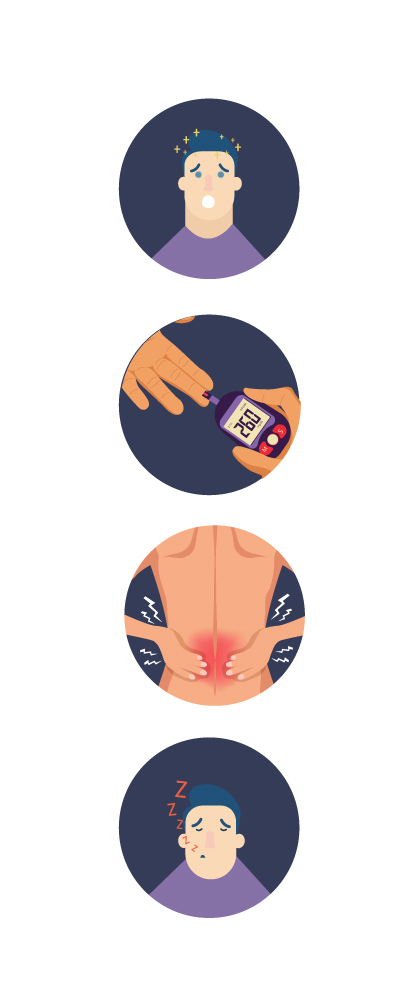
Feeling dizzy or off-balance: Your overly functioning immune system can attack your nerve coatings. This can make it hard for nerve signals to get through. 

දියවැඩියාව: Insulin controls the blood sugar level and when chronic inflammation affects it, the insulin won’t function well. This can lead to high blood sugar levels, therefore, diabetes. 

Weak muscles: Chronic inflammation can break down muscle fiber and make it weak. It usually happens around the torso, hips and shoulders.

Lower back pain: Chronic inflammation usually affects the spine and, in some cases, the hips, neck, knees or chest. When this happens, you may feel stiffness in the lower back, mainly in the mornings. 

You’re always tired: This is a usual sign of inflammatory diseases like fibromyalgia, multiple sclerosis, lupus, and rheumatoid arthritis. 

Hardening of the Arteries: If you’re gaining body fat or smoking a lot, your body will respond with chronic inflammation. This can cause fatty build up on the inside walls of your arteries. This is known as arteriosclerosis, it’s the main cause of heart attack and stroke.

Remember: Some signs of chronic inflammation such as  heart or brain problems are silent. Symptoms  like fatigue or back pain can be easily confused with other complications

Therefore, it’s key to get in touch with your doctor when things don’t seem to be going the right way, of course, with your health. Diagnosis is the way to go. 
symptoms of chronic inflammation

Diagnosis of Chronic Inflammation

The first step is a consultation with a general practitioner, this can be done from the comfort of your couch on ANY convenient day. The oDoc app makes diagnosis easy with a list of highly credible health professionals from Sri Lanka. 

After your consultation, expect blood tests for diagnosis. 

On that note, if you are diagnosed with any inflammatory condition, the doctor may prescribe a combination of medications, surgeries, supplements and lifestyle changes.

This depends on what kind of chronic inflammation illness you are diagnosed with. However, one usual common factor is lifestyle changes that can apply to anyone wanting to keep chronic inflammation at a distance. 

Healthy Lifestyle Changes

lifestyle changes for chronic inlammation
  • Quit smoking.
  • Limit alcohol intake.
  • Maintain a healthy weight.
  • Manage stress. 
  • Get regular physical activity.
  • Improve your diet with anti-inflammatory ingredients like olive oil, nuts, fatty fish, tomatoes and fruits like cherries, berries and oranges.

Take your regular check up seriously. Speak to a GP from the safety and comfort of your home via oDoc today!

Sources

  • WebMD
  • Healthline
  • Cleveland Clinic

Similar Articles...

Channel a doctor in just three taps

දැන්ම oDoc ඩවුන්ලෝඩ් කරන්න

Back to oDoc Blog

Categories
Blog Article Featured

You Don’t Want Diabetes, This is Why.

You Don’t Want Diabetes, This is Why.

Shares

Ever wondered why people refer to diabetes as ‘sugar’? Some even assume that diabetes is caused by sugar. There’s a connection for sure, but diabetes is a much more complex health condition. 

What’s more alarming is how common diabetes is.  

It doubles the risk of death. And every 20 seconds one person loses their leg somewhere in the world due to diabetes. 

Globally, more than 530 million people are affected by it, and this is expected to reach a half billion by the end of this decade. Recently, the World Bank reported that in Sri Lanka, 11.3% of the adult population (between the ages of 20 and 79) have diabetes. That’s quite a significant number and shouldn’t be taken lightly.

Therefore, you should know a few very important things about diabetes.

Diabetes in Simple Terms

Your body transforms a lot of the food you eat into sugar (glucose) and releases it into your bloodstream. When your blood sugar increases, it signals the pancreas to create insulin. Insulin is used to convert blood sugar into energy.

With diabetes, your body doesn’t make enough insulin or can’t use it that well. This leads to having too much blood sugar in your bloodstream. When this builds up, this can lead to many serious health problems like heart disease, vision loss and kidney failure. 

The poor health condition due to the high blood sugar level is called Diabetes.

The Types of Diabetes and its Causes

You might be curious what causes this, let’s cover that one type at a time. 

Type 1 Diabetes

This results from the failure of pancreas to create enough insulin. Only around 5-10% of those who have diabetes are affected by this type. 

Cause: It’s still not clearly known. Even though some believe it to be the body attacking itself.

Type 2 Diabetes

This occurs when your body doesn’t use insulin well and struggles to maintain healthy blood sugar levels. Around 90-95% of the people have type 2 diabetes. 

Cause: Obesity, poor physical activity and genetics have a part to play. 

Did you know? A survey reported that around 30% of the Sri Lankan population didn’t engage in recommended moderate-intensity physical activities. And Females were considered more inactive than males. 

Gestational Diabetes

This happens in pregnancy and often can be harmful for the baby. 

Cause: Mostly unknown but it’s believed that the pregnancy hormones get in the way of the mother’s insulin creation. 

There’s no cure for diabetes of any form. Having said that, with early diagnosis and proper care, all of the above conditions can be managed very well.

Signs of Diabetes

Start by being aware of the symptoms of diabetes. 

  • Weight gain or loss while always feeling hungry 
  • Always thirsty
  • Wanting to urinate all the time
  • Feeling too tired around the clock
  • Blurry vision
  • Frequent genital or skin infections 
  • Cuts and bruises take forever to heal
  • Tingling sensation or numbness in the hands or feet
  • Trouble of getting or maintaining an erection

With diabetes type 2, a majority show no symptoms until it’s too late. This is why regular check-ups are key!

signs of diabetes

Diabetes Diagnosis in Sri Lanka

If you feel the above symptoms are too familiar, head to your nearest hospital or if you’re unsure, you can always call a doctor via oDoc. 

Here are a few tests that your doctor may carry out to diagnose. 

  1. Fasting Blood Sugar: 

You will have to fast for 8 hours without eating or drinking except water.

  1. Random Blood Sugar:
  2. HbA1C:

You don’t have to fast for these tests and it can be carried at any time of the day. 

  1. Oral Glucose Tolerance Test:

You will fast for 8 hours and after that you’ll be given a glucose drink. Two hours later, your blood sample will be taken.

Treating and Preventing Diabetes

If you’re diagnosed with diabetes, it’s not the end of the world. It’s a new beginning to refresh your lifestyle. 

Treatment: 

Your doctor will prescribe oral medications and insulin doses depending on the type of diabetes and the severity of it. 

Other than that, lifestyle changes and regular monitoring makes up a great proportion of it. Interestingly, these are also the two things that are important to prevent diabetes.

Prevention:

  1. Eat healthy. Choose foods that are rich in nutrients and fiber instead of calories and fat. Get the help of a nutritionist if needed; there are plenty of recognised professionals on ODoc. 
  2. Get moving. Allocate a minimum of 30 minutes daily to improve your physical activity. 
  3. Take regular tests. ODoc app connects you with the country’s leading practitioners in seconds. This way, you can find out if you’re eligible for any of the tests in the most convenient way!
preventing diabetes

You don’t always show symptoms so, every 3 years, approach your doctor to learn if you need any. 

However, if you relate to any of the below, you may need to get checked every 12 months.

  • Overweight 
  •  Sedentary lifestyle
  • අධි රුධිර පීඩනය
  • High cholesterol and lipids
  • Slightly high blood sugar
  • Polycystic Ovary Syndrome (PCOS)
  • Family history of diabetes
  • Dark, thick and velvety skin over neck and armpits. 

Although there’s no complete cure, diabetes is a completely manageable condition. If you have more questions, speak to an endocrinologist from the safety and comfort of your home via oDoc today!

Sources

  • WHO
  • CDC
  • World Bank
  • SLDF

Similar Articles...

Channel a doctor in just three taps

දැන්ම oDoc ඩවුන්ලෝඩ් කරන්න

Back to oDoc Blog

Categories
Blog Article Featured මානසික සෞඛ්‍යය

Can you Live a Normal Life with Adult ADHD?

Can you Live a Normal Life with Adult ADHD?

Shares

Life is falling apart; you can’t meet deadlines, attend social events or focus on the simplest tasks. 

In other words, you feel like you can’t function like a “normal” person. 

You may have adult ADHD. It directly translates to attention deficit hyperactivity disorder. It’s a mental health condition that may get in the way of how your brain functions and result in hyperactivity, impulsive behavior and low attention span.

In Sri Lanka, adult ADHD is largely misunderstood, undermined and completely ignored. ADHD is only viewed as something that causes hyperactivity in kids. 

Well, that’s MORE to it. 

Therefore, we are going to go cover: 

  1. How common is Adult ADHD?
  2. Adult ADHD symptoms 
  3. What causes Adult ADHD?
  4. Adult ADHD diagnosis & treatment
  5. What is Sri Lanka doing wrong?
  6. Being normal with Adult ADHD

How Common is Adult ADHD?

Every adult with ADHD had it as a child. While some kids outgrow ADHD, about 60% of them continue to have it as an adult.

According to a 2021 study, globally around 6% of adults showed ADHD symptoms in 2020. 

Many sources have confirmed that only a fraction of them have been diagnosed or treated across all cultures and countries. 

So, how do you know you have it? Let’s find out.

Adult ADHD Symptoms

There are 3 types of ADHD, some may have one, two or a combination. 

Inattention

  • Forgetfulness
  • Difficulty staying focused during conversations
  • Difficulty paying attention to detail
  • Easily distracted
  • Trouble staying organized
  • Not being able focus and commit to relationships
  • Terrible with time management

Impulsivity [the ability act without thinking]

  • Always interrupt others
  • Tendency to blurt out things at the wrong time and place
  • Prone to dangerous risks
  • Mood swings

Hyperactivity

  • Walk or move around aimlessly
  • Difficulty staying in one place
  • Excessive fidgeting and talking
  • සාංකාව
  • Hyperfocus: The opposite of being distracted
  • Shifts from one task to another without completing any of it.
Symptoms of adult ADHD

Quick fact: Almost everyone has the above symptoms. These are linked to adult ADHD, only if they occur repeatedly and get in the way of your daily life.

What Causes Adult ADHD?

Actually, nobody really knows it. 

BUT, The Centers For Diseases Control and Prevention confirms that usually genetics is how attention-deficit hyperactivity is passed on. Around 3 out 4 diagnosed children have a relative with ADHD. 

Other risk factors for causing ADHD are: 

  • A concerning brain condition
  • Tobacco use, stress and alcohol consumption during pregnancy
  • Preterm birth
  • low birth weight
  • A low intake of nutrients such as magnesium, folate, zinc, or polyunsaturated acids
Causes of adult ADHD

Adult ADHD Diagnosis & Treatment

If you begin to show any adult ADHD symptoms, consult your doctor. Using the oDoc app, you could reach out to the country’s leading practitioners very easily.

The doctors may do a physical examination, run a few tests and most importantly, will check for the below. 

  • Adult ADHD symptoms
  • The time and place they started
  • The impact of these symptoms on your day-to-day
  • A family history of ADHD
  • Any other health concerns or recent life events like a divorce in the family

It’s not possible to get rid of ADHD and you don’t have to. All you need to do is manage it.

Your doctor will work with you using a combination of medications, skill training and counseling. 

People lead very happy, healthy lives with ADHD. 


What is Sri Lanka Doing Wrong?

We stumbled across a Reddit user who shared an experience of a psychiatrist dismissing adult ADHD saying, ‘everyone feels like they have ADHD’. 

If you ever experience adult ADHD symptoms and someone brushes it off, ignore them and not the symptoms. 

In Sri Lanka, overlooking ADHD is very common and that is the root of all obstacles staying in the way of leading better lives. 

Secondly, hyperactivity and other adult ADHD symptoms are seen as mental illness. It’s merely a psychiatric diagnosis/condition. University of Jayewardenepura Faculty of Medical Sciences Department of Psychiatry senior lecturer and Colombo South Teaching Hospital Kalubowila honorary consultant psychiatrist Dr. Dulshika Waas confirms this. 


Being Normal With ADHD

You can be having attention deficit hyperactivity and still be normal. It’s just a condition. It doesn’t make you any less. 

It’s one of the many obstacles people face. 

If at all, it makes you extraordinary. Think of all the high-spirited and spontaneous energy you bring to this world. 

Get the best out of this by keeping it at bay with prescribed doable treatments and counseling. Your first step is to consult your doctor for a quick diagnosis via oDoc today!

Sources

  • WebMD
  • NHS UK
  • MayoClinic

Similar Articles...

Channel a doctor in just three taps

දැන්ම oDoc ඩවුන්ලෝඩ් කරන්න

Back to oDoc Blog

Categories
Blog Article Featured Sexual Health

Do you have an STD or are you just paranoid?

Do you have an STD or are you just paranoid?

Shares

Let us guess. You got caught up in the moment and now you’re thinking you caught STDs. We are going to stop you right there and ask you this question.

What makes you think that you have an STD for sure? 

There’s only one way to know: By getting tested for STDs.

Before you panic and decide to get tested, you need to know what STD means. For starters, it means Sexually Transmitted Diseases and it’s NOT another word for AIDS. 

To get a clear idea of what to do, it’s important to know:

  1. How STDs spread
  2. When to get checked for STDs  
  3. Are they curable? 
  4. Risk Factors
  5. Ways to get tested in Sri Lanka
  6. FAQs

This way, you know when and how to get tested for STD and to prevent it at all costs. 


How STDs Spread

The sexually transmitted diseases mainly spread through unprotected oral, vaginal and anal sex. Other cases include: 

  • Direct contact with any sores from STDs.
  • Exposure to infected blood.
  • Contact with vaginal fluid or semen.
  • The sharing of needles. 

The majority of the above involve unprotected sex. This makes the sexually-transmitted diseases quite common.

QUICK FACTS

In Sri Lanka, in 2021 more than 250 HIV cases were found. And close to 6500 people were diagnosed with other forms of STIs.

The most common STDs are genital herpes, genital warts, gonorrhea and chlamydia. [We know these names may sound like Greek but we are about to simplify them.]

Caution: The World Bank claims that only 10-15% of STI cases are reported by government clinics. 

Reason: Some ignore, others simply don’t know because the symptoms don’t always show until it’s too late.


When to get checked for STDs?

There are a few things to watch out for, especially after having unprotected sex. 

Common STD symptoms

  • Discharge from the penis or vagina.
  • Pain or burning sensation with urine or bowel movements
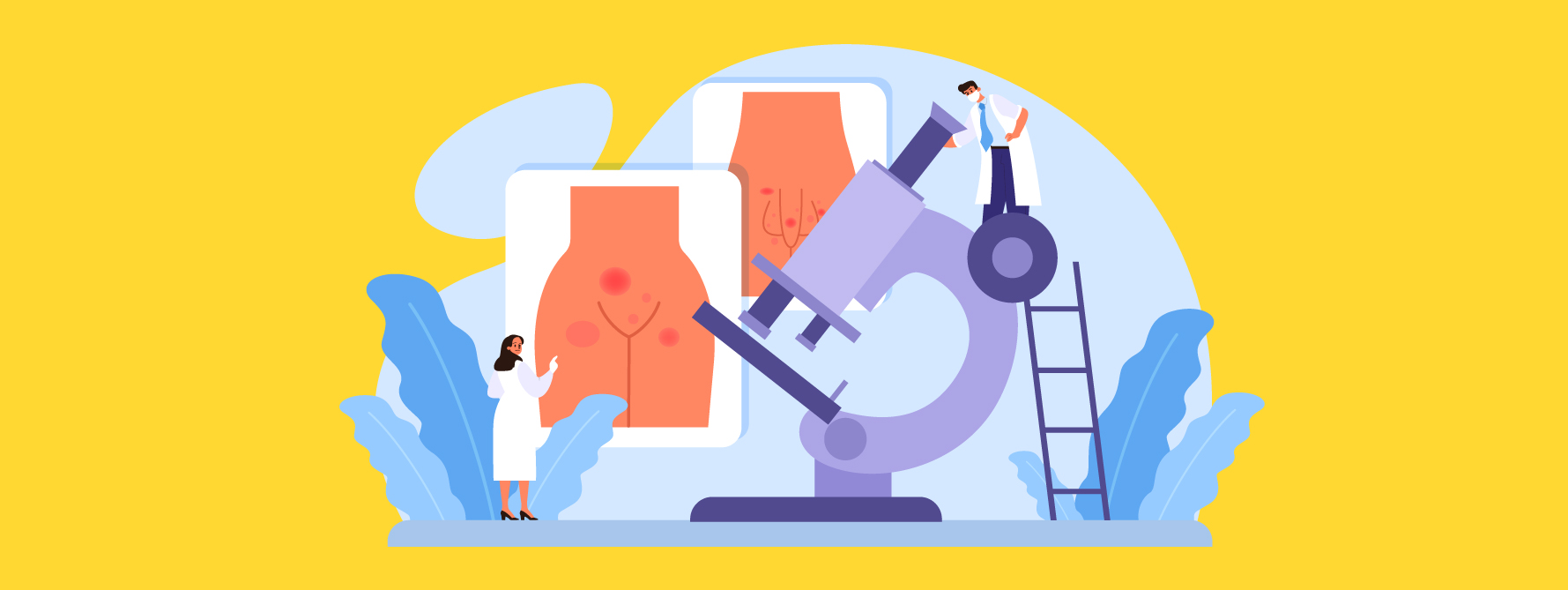
  • Painful blisters, itching and ulcers around the genitals, anus or mouth
  • Warts (small, fleshy, mostly painless growths or bumps) around the genitals or anus
  • Lumps around the groin
  • Severe scrotal or pelvic pain
  • Having to go to the bathroom often

Remember, usually STD patients show no symptoms so getting tested every 6 months is the way forward. This way, you can detect the infection at an early curable stage.

On that note…

STD Symptoms by oDoc

Are all STDs curable? 


Well, not all of them but it’s not all doom and gloom as you imagine. Here’s the breakdown of a few: 

Incurable STDs

Genital Herpes:

Symptoms: Painful discharge and sores/blisters around genital parts.

Cure: This is a life-long infection. However, regular treatment and counseling can help lead a normal life. 

HIV:

Symptoms: Mouth ulcers, weight loss, vomiting, swollen lymph nodes and all the effects of a weak immune system. This can lead to serious infections, cancers and the globally-hated condition called AIDS and that can be life-threatening.

Cure: There is no cure. But thanks to science and discovery, we now have treatments that control this infection and help patients lead a healthy, normal life. Earlier the detection, easier this is.

STD and safe relationships

Curable STDs

Syphillis:

Symptoms: Early stages include severe sores and rashes. If undetected, it can bring more serious health problems. For instance, tumors, blindness, brain system damage or even death. 

Cure: This is very easy to cure at the early stage. 

Gonorrhea:

Symptoms: Anal itching, pus-like discharge and blood spotting from the rectum, eye pain, sore throats, swollen joints.

Cure: There is medicine to treat the infection.

Genital Warts:

Symptoms: The appearance of cauliflower-like bumps on the genitals.

Cure: Your doctor will prescribe medications and/or surgery to remove and cure warts.

Genital Candidiasis:

Symptoms: Vaginal discomfort and painful sex.

Cure:  There are both oral and topical medications to treat this.

Special note: This is not an STD because this is primarily caused by yeast infection. However, sexual partners can also pass it to you. And this is quite common in Sri Lanka with over 1000 people diagnosed in 2021. 

Conclusion: Get tested early as possible.

Is anyone easily at risk of STDs?

Belonging to one of the below categories, gives another reason to get tested regularly.

  1. Being between the ages of 15-24. The younger your first sexual encounter is, higher the risk is.
  2. Sexual history. If you have new or multiple partners, you need to be asking all the right questions from them. Having unprotected sex is never the right thing to do.
  3. Men who have sex with other men. 
  4. Having a history of STDs. If you have HIV or AIDS, you can easily carry other STDs. 

By now, you should have an idea of when to get tested. Now it’s time to ask ourselves this question

Testing for STD

How to get tested for STD in Sri Lanka?

1.Visit the National STD and AIDS Control Programme. 

  • Open hours: 8am to 4pm – Monday to Friday
  • 8am to 12pm – Saturday
  • Address: No. 29, De Saram Place, Colombo 10.
  • Note: You could visit directly or place on appointment via https://know4sure.lk

2. Visit the STD Clinic by Colombo South Teaching Hospital.

  • Open hours: 8am to 3:30pm – Monday to Friday
  • 8am to 12pm – Saturday
  • Address: No. 43, Sri Sunandarama Road, Kalubowila

    3.Visit the Family Planning Association.

  • Open hours: 8:30am to 4:30pm – Monday to Friday
  • Address: 37/27, Buller’s Lane, Colombo 7.
  • Dial +9411 255 5455 to check to make an appointment.
  • Services: Consultations for HIV and other STD related queries and screening tests for syphilis, herpes, HIV and Hepatitis B. 

Note: We advise not to self-assess and take any of the tests. The first step is to consult a professional and let them direct you to the next steps. 

  1. Talk to your doctor or venereologist via oDoc.

This takes a few minutes and if only needed you will be asked to come in for a physical examination.

What to expect when you get tested?

  1. Be prepared to be transparent about your sexual history.
  2. You will also be physically examined based on your symptoms.
  3. Blood or urine samples or swabs will be taken to carry out the tests.

Good luck, you got this! Whatever it is, it will be okay.

FAQs

Okay, so what happens if you get diagnosed with an STD? 

  • It can be sad, confusing and embarrassing. It’s okay to feel that way. 
  • Simply, follow the treatment. Like mentioned above, even the incurable STDs can be controlled. 
  • Always be transparent with your sexual partners. Don’t be that person!
  • Never hesitate to get help from counselors and therapists. You are not alone. 

Will an STD cure on its own?

No, it doesn’t. By ignoring symptoms and regular health check, you are putting both yours and your partner’s health in danger. 

Are there any vaccines available to prevent this? 

Yes, HIV negative partners can take Pre- exposure prophylaxis (PrRP) and Post Exposure Prophylaxis after Sexual Exposures. (PEPSE). For STI prevention, doctors prescribe Hepatitis B and HPV vaccination. BUT, this is only recommended under the doctors’ guidance. 

IMPORTANT: If you had unprotected sex or got exposed to any STI-related infection, don’t try to self-diagnose, waste money on self-testing kits and go down the rabbit hole on the internet. Instead, get yourself to a doctor or clinic immediately. The easiest way? Download oDoc now!

Sources

  • FPA Sri Lanka
  • AIDS Control
  • Urology Health

Similar Articles...

Channel a doctor in just three taps

දැන්ම oDoc ඩවුන්ලෝඩ් කරන්න

Back to oDoc Blog

Categories
Blog Article Featured

Are you part of the Vitamin D Deficiency club?

Are you part of the Vitamin D Deficiency club?


Do you always get sick? muscles and joints hurt out of nowhere? Uncontrollable hair loss?  Get tired easily?

You might have Vitamin D Deficiency. 

The Ministry of Health says that 50% of Sri Lanka’s population suffers from vitamin D deficiency. Around 1 billion people worldwide have a vitamin D deficiency, and it’s a global public health concern. 

So, what is it? Should you be worried? Let us break it down for you. 

What is Vitamin D? 

Prepare to be surprised. Vitamin D is not technically a “vitamin”, it’s a prohormone—which means, it’s converted into a hormone by our body. Hormones generally carry out key bodily functions. 

Vitamin D is divided into 5 different substances, out of which, the below two are the most important to us.

Vitamin D2: This comes from plants. 

Vitamin D3: This comes from animal sources, or our body can produce it when exposed to sunlight. D3 is supposed to be the most impactful one of all the Vitamin D siblings.

Note to reader: Try not to worry about the differences between these two. The point is that you need them both and let’s explore along those lines. 

Why do we need Vitamin D? 

Vitamin D helps the body absorb and retain calcium and phosphorus—both are needed for bone development and maintenance. 

It  also affects many other body organs like lungs, skin, cardiovascular system and more. Therefore, it impacts our disease-fighting ability, mood, weight loss journey, etc.

In summary, Vitamin D is essential to function normally as a human being. Having low levels of this nutrient causes Vitamin D Deficiency and it can lead to trouble. 

You usually know things are not going well when you start to show the following symptoms.

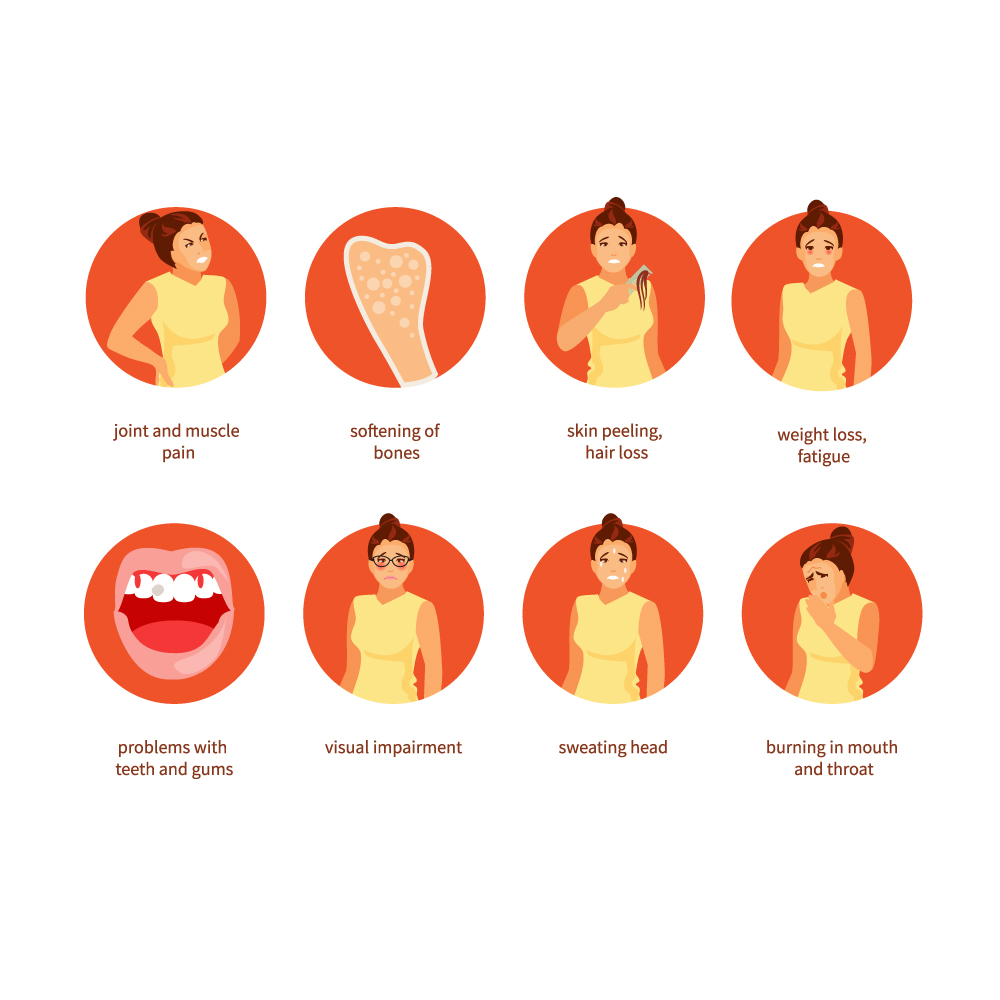
Vitamin D Deficiency Symptoms

If you relate to any of the below symptoms, we would like to interrupt your intention to self-diagnose and urge you to use this article as a guide and consult a doctor. Hint: With the oDoc app, your doctor is only a few taps away. 

Frequent illnesses: Vitamin D plays a huge role in determining how your body handles any form of threats such as viruses. 

Unable to sleep well: There are parts in your brain that require Vitamin D to create Melatonin (the ‘sleep hormone’) needed for a good night’s sleep. 

Bone and joint aches: Joint pain can lead to so many inconveniences like issues such as rheumatoid arthritis. 

Hair loss: Vitamin D is used in the skin by keratinocytes—cells that process keratin, a protein found in your hair, nails and skin. When the body doesn’t have enough vitamin D, keratinocytes in hair follicles have trouble doing their job, which includes hair growth.

Depression or feelings of sadness: There are several findings that link depression and Vitamin D Deficiency under different conditions. 

Fatigue: Deficiency of Vitamin D can cause bone and muscle weakness, which can lead to being tired all the time. 

Loss of appetite: This is an early sign of vitamin D deficiency.

Slow wound healing: The vitamin D plays a key role in wound healing as it controls growth factors and others that form new tissues.

Fractures: If someone has a fracture, the doctor might test their vitamin D level to cure, depending on the person’s age and health history. 


What Causes the Deficiency of Vitamin D? 

Like our elders says, ‘you should always ask why?’, The answer to this question varies from person to person but here are a few common reasons:  

  1. Not enough vitamin D in your diet and/or through sunlight.
  2. Your body isn’t absorbing vitamin D effectively. 
  3. Certain medical conditions such as obesity, kidney diseases and cystic fibrosis. 
  4. Weight-loss surgeries can reduce the size of your stomach and make it difficult for your body to absorb enough amounts of certain vitamins, minerals and nutrients. 
  5. Specific medications like laxatives, steroids, some cholesterol-reducing and weight loss drugs

Pro-tip: Always ask your healthcare provider the side effects of what’s been prescribed. 


Did you know some are naturally more at risk for Vitamin D Deficiency? 

If you didn’t, it’s okay. Remember the below list doesn’t confirm anything. Be aware, you could prevent the symptoms by taking good care of yourself.

  1. Age: Our skin’s ability to produce vitamin D reduces as we age, so people over the age of 65 are asked to watch out. Infants, especially those who are breastfed are also at risk, as breastmilk only has a small amount of vitamin D.
  2. Skin colour: Those with darker skin produce less vitamin D compared to the ones with lighter skin. Therefore, they are prone to vitamin D deficiency.
  3. Lifestyle: Those who work from home or stay indoors mostly can be at risk for Vitamin D deficiency as they don’t get much sunlight. 

Now, if you connect with any causes or symptoms of Vitamin D Deficiency, we suggest you consult a doctor at your earliest. Via oDoc, it only takes a few seconds to download the app and get in touch with a professional. 

Meanwhile, incorporate healthy habits in your day-to-day life to recover or prevent Vitamin D deficiency, look below for an exhaustive list of tips.

How to get Vitamin D naturally

  1. Spending time under the sun: 

This might be interesting to hear after everyone around us seems to not like direct sunlight. Having said that, the sun is the best source of vitamin D3.

To do it right, get 10–30 minutes of midday sunlight every day. If you have darker skin, you may need a little more than that, but it depends on your skin sensitivity.

2. Making changes to your diet:

You could incorporate the following to enhance the level of vitamin D in your body. 

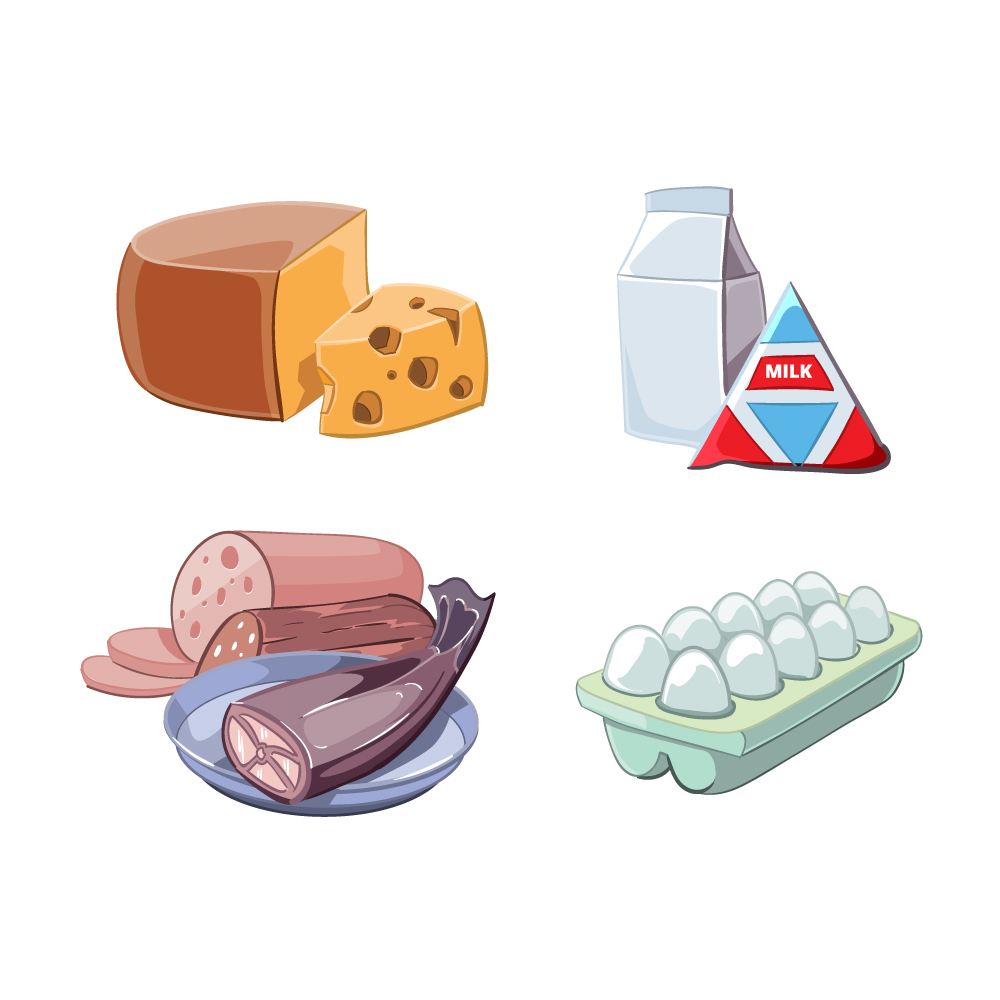
  • Fatty fish and seafood such as tuna, mackerel, oysters, shrimp, sardines and anchovies. The vitamin D content changes according to the type of seafood. Bonus points: These are also rich in heart-healthy omega-3 fatty acids. 
  • Mushrooms are a vegetarian option. They can make their own vitamin D when exposed to sunlight. So, it’s wise to purchase the mushrooms from vendors who treat them with UV light and sell them in the safest way possible. 
  • Have egg yolks as part of your diet. Free-range and pastured eggs are better ways to get vitamin D as chicken raised under sunlight produce more vitamin D in their eggs. 
  • Consume fortified goods that are treated with a high level of Vitamin D in a process called fortification. Some common examples are cow’s milk, plant-based milk options, cereals, orange juice, tofu and yogurt. This depends on the brands so always check the ingredient list. 

3. Get a UV lamp: 

These emit UV-B radiation to elevate your vitamin D levels. However, for safety reasons, they shouldn’t be used for more than 15 minutes at a time.


Finally, watch out for this one: 

Just like that, you can also have too much vitamin D, which is also a bad thing. 

Vitamin D toxicity may never happen from sunlight. It’s usually caused by taking too many supplements. It’s rare but it can occur with the following troubling symptoms: 

  • Nausea
  • Increased thirst and urination 
  • Poor appetite
  • Constipation
  • Weakness
  • Confusion
  • Ataxia (impaired balance or coordination)
  • Dysarthria (unclear speech)


The final piece of wisdom is to clear everything with your doctor, never take extra supplements, clarify any lifestyle/diet changes to make sure it doesn’t affect your other health conditions.

oDoc easily allows you to cross-check and consult with the country’s top healthcare professionals with the highest convenience. Download oDoc today!


Sources

  • Healthline (2022)
  • WebMD (2022)

Dengue - the whats, whys and hows.

Shares

Dengue seemed to have taken a back seat in the news the last year but it is fast becoming  a household concern, yet again. With  9,669* dengue patients being reported in Sri Lanka so far in 2021, it is safe to say that dengue ‘is back’ (not like it ever went away though). So we at oDoc are breaking it down for you. We go into detail about the causes, treatment and prevention of dengue, so keep reading!

What is dengue and how is it caused?

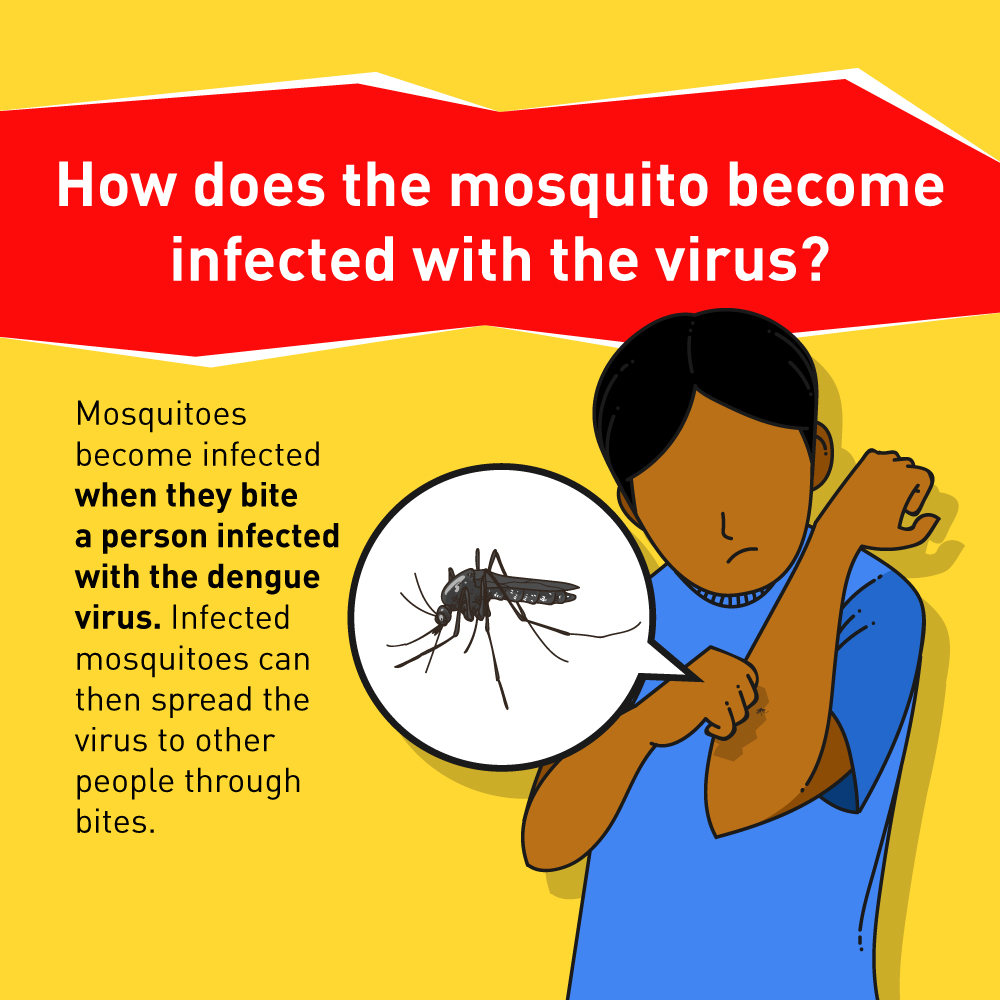
Dengue is a mosquito-borne disease. Dengue viruses spread among  people through the bite of an infected Aedes species mosquito. These are the same types of mosquitoes that spread Zika and chikungunya viruses. These mosquitoes breed and lay eggs in still water (in buckets and pots in your garden which has collected water). These eggs can even survive up to 1 year and can withstand dry conditions till they are in water again.

Is dengue contagious?

Dengue is not contagious so you cannot catch the virus via contact with an infected person. However, an infected mother can pass the virus to her fetus during pregnancy or around the time of birth. In the case of infected breastfeeding mothers, it is encouraged that they continue breastfeeding their infant due to the benefits of breastfeeding. So far, there has only been 1 case of the virus passing to the infant via breast milk.

What are the symptoms of dengue?

It is said that 1 out of 4 people who are infected with the dengue virus will get sick and can show mild to severe symptoms.

Mild symptoms include high fever along with a combination of aches and pain in muscles and joints, rashes and nausea. Symptoms last about 2–7 days. Most people will recover after about a week.

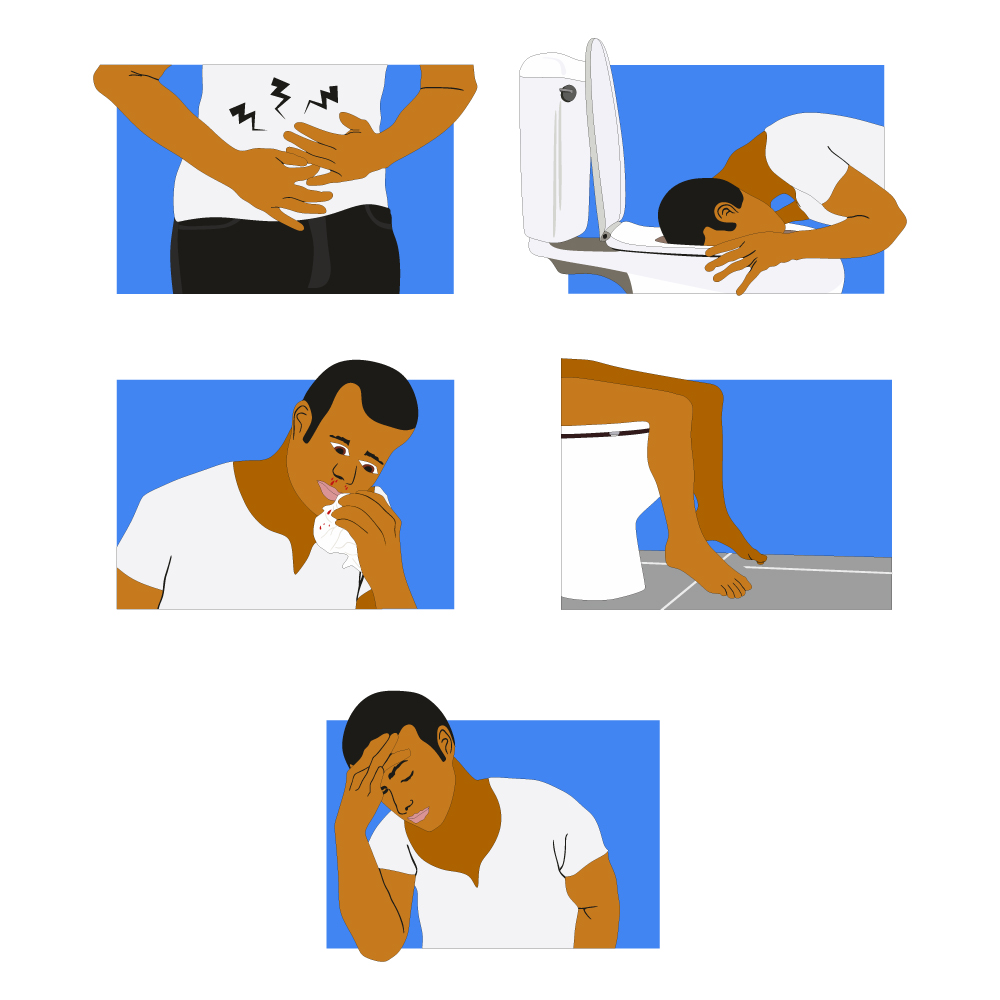
Severe cases of dengue usually require hospitalisation. Symptoms and warning signs include:

  • Belly pain, tenderness
  • Vomiting (at least 3 times in 24 hours)
  • Bleeding from the nose or gums
  • Vomiting blood, or blood in the stool
  • Feeling tired, restless, or irritable

If you are showing any of these symptoms or warning signs, seek medical attention immediately. It is also important to note that these warning signs usually begin 24–48 hours after your fever has gone away.

What’s the treatment for dengue?

Unfortunately, there is still no specific treatment to cure dengue. However, it is vital that you rest as much as possible and keep yourself hydrated by taking a lot of fluids if you are diagnosed with dengue. You can also take paracetamol (do not take aspirin or ibuprofen) to help with the fever and body aches and pains.

It is advised to seek medical advice rather than self-diagnosing and opting for self-treatment.

What can you do to prevent dengue?

  • Keep neighborhoods clean and free of still water 
  • Frequently clean garden, pots, vases and balconies
  • Wear clothes that cover the body and minimize exposure to mosquito bites
  • Always use mosquito repellents
  • Use mosquito nets
  • Installing net screens on doors and windows.

In these difficult times, it is vital we look after ourselves and our loved ones. If you or anyone you know is suffering from any of the above-mentioned symptoms you can speak to an on-demand doctor on oDoc from the comfort of your home. 

Stay indoors. Stay safe.

References

  1. Epidemiology Unit – Ministry of Health (2021, July 13). 
  2. Centers for Disease Control and Prevention (2021, June 28). 
  3. Dunkin, M. A., Dengue Fever, WebMD (2010, July 26). 
  4. Preventing Dengue in Sri Lanka, World Health Organization (2019, July 8).  
Shares

Similar Articles...

Channel a doctor in just three taps

දැන්ම oDoc ඩවුන්ලෝඩ් කරන්න

Back to oDoc Blog

සිංහල
0
    0
    Your Cart
    Your cart is empty