Categories
Blog Article Featured

Pedal Power: Health Benefits of Cycling

Pedal Power: Health Benefits of Cycling

Shares
Fuel shortage in Sri Lanka leads to more cycling

In a state where public transport has also been limited, and bus ticket prices have risen exponentially, the lack of transport options has made daily commuting and travelling during emergency situations increasingly difficult. As a result, walking and cycling have become almost the only choice for many Sri Lankans.

Cycling is a low-impact aerobic exercise that offers a wealth of benefits. It is a great exercise that keeps you moving and helps establish a physically and mentally healthy lifestyle.

1. Cycling can help you lose weight

Cycling is a great aerobic workout that burns calories and helps people lose weight and belly fat. To lose weight, you must burn more calories than you take in. Depending on your intensity and weight, cycling can burn between 400 and 1000 calories each hour.

Body parts that are exercised, targeted, toned, and used while cycling

  • Foot: Ankle dorsiflexion and plantar flexors
  • Arms: Triceps and biceps 
  • Shoulders: Deltoids
  • Calf: Gastrocnemius and soleus
  • Buttocks or Gluts: Gluteus minimus, gluteus maximus, and gluteus medius
  • Thigh: Quadriceps and hamstrings

2. Cycling boosts mental health and brain power

Cycling can ease feelings of stress, depression, or anxiety as it may help take your focus away from the mental chatter of your day.  When cycling, concentrating on the road or your cadence might help you improve your attention span and awareness of the present moment. Here are a few ways cycling could boost your positive mental health.

  • It improves your mood. Cycling increases blood flow throughout your body, allowing endorphins and other feel-good chemicals like dopamine, norepinephrine, and serotonin to spread quickly.
  • It promotes positive mental health. Exercise is known to have significant effects on self-esteem, sadness, anxiety, and stress. Still, cycling has been identified as one of the most beneficial exercises for the head and heart.
  • It helps you sleep better. Regular riding helps synchronise your circadian rhythm and can help to reduce levels of stress hormones that can make proper regenerative, deep sleep difficult.
  • Improves your memory. Riding a bike helps build new brain cells responsible for memory. 
  • Improves creative thinking. The regular, uniform movement of cycling relaxes the brain, stabilising both physical and mental functions.
  • Cycling promotes new thought patterns that promote feelings of calm and well-being. You can use it as a type of meditation and a great way to “zone out.”
benefits of cycling

3. Cycling improves balance, posture, and coordination

As you stabilise your body and keep your bike upright, you’ll improve your overall balance, coordination, and gait.

Maintaining balance is important because it tends to deteriorate with age and inactivity. Therefore, enhancing your balance can help lower your risk of injury and keep you off the sidelines by preventing falls and fractures.

correct posture of cycling

4. Cycling can reduce the risk of heart diseases

Regular cycling stimulates and improves your heart, lungs and circulation, reducing your risk of cardiovascular diseases such as strokes, high blood pressure and heart attacks.

Cycling also helps your cardiac muscles become more robust and lowers your resting pulse and blood fat levels.Additionally, research shows that people who cycle to work have a lung function that is two to three times better than those who commute by car.

Drawbacks of cycling and safety

Cycling has a few disadvantages to consider, and these primarily relate to cycling outside, which involves factors beyond your control.

There could always be a risk of an accident, whether in an urban or rural area. Hence, 

  • Obey the law at all times. Even if you have the right of way, exercise caution when passing through crossroads and crowded locations. Invest in a good helmet and any other necessary safety equipment.
  • Avoid wearing any loose clothing that could get caught in your bike chains.
  • Unfavourable weather might also be a barrier. So, invest in rain and cold weather gear and have a backup transportation plan for when conditions are unsafe for riding.
  • For extended daytime rides, use sunscreen on all exposed skin.
  • Take a break if you experience pain, fatigue, or muscle soreness.
  • If you have any cycling-related injuries, staying off the bike is best until you fully recover.
tips for cycling safely

The bottom line

Given the current situation in Sri Lanka, cycling to your destination may seem like the only option. However, just play it safe and use caution when necessary, especially on busy roads or during unfavourable weather.

If you have any injuries or need clarification regarding conditions that cycling may affect, speak to a general practitioner or a physician via the oDoc app.

Sources

  1. 15 benefits of cycling: why cycling is great for fitness, legs and mind, Cycling Weekly (2022).
  2. 12 Benefits of Cycling, Plus Safety Tips, Healthline (2021).
  3. Cycling – health benefits, Better Health (2021).
Shares

Similar Articles...

Channel a doctor in just three taps

இப்போதே oDoc ஐ டவுன்லோட் செய்க

Back to oDoc Blog

Categories
Blog Article

Management Of Common Headache Disorders In Adults

Management Of Common Headache Disorders In Adults

Shares

    Written by Dr. Namal Lasantha Ulluvisheva

Headache is a common medical condition worldwide. Physicians need to evaluate adult patients with acute headaches to determine whether the condition is benign (harmless) or if it indicates the features of life-threatening neurological or other systemic illness.

Approximately half of the adult population is affected by a headache disorder. Physicians are faced with many challenges in differentiating primary headaches (tension-type, migraine, cluster headache) from secondary headaches (those caused by infection or vascular disease). Hence, a thorough history, physical examination, and understanding of the typical features of primary headaches can reduce the patient’s cost of unnecessary investigation and intervention like neuroimaging, lumbar puncture, or other laboratory studies.

But if you experience frequent headaches, you might have a chronic headache. Unlike a specific headache type, chronic headaches include subtypes. The constant nature of this headache makes it one of the most disabling headache conditions. However, aggressive initial treatment and steady long-term management could help alleviate the pain.

Causes of chronic headaches

The causes of many chronic headaches are not well-understood. Primary chronic daily headaches don’t have an identifiable cause.

Conditions that might cause non-primary chronic daily headaches include:

  • Inflammation or vascular disorders in the brain, including stroke
  • Infections, such as meningitis
  • High Intracranial pressure
  • Brain tumour
  • Traumatic brain injury

Common Chronic Headache types are,

  • Migraine
  • Tension-type headache
  • Cluster Headache
  • New daily persistent headache
  • Medication overuse headache
  • Sinusitis associated headache

Cluster Headache – relatively rare

Severe or very severe unilateral orbital, supraorbital  or temporal pain may last 15 to 180 minutes (if untreated).

Headache is accompanied by at least one of the following

  • Conjunctival  injection, lacrimation, nasal congestion or rhinorrhea, eyelid edema,
  • Forehead and facial sweating, miosis or ptosis, restlessness or agitation

Tension-type headache – These headaches tend to:

  • Affect both sides of your head
  • Pain – Mild to moderate intensity
  • Pain that feels pressing or tightening but not pulsating

Migraine – This type typically occurs in people with a history of episodic migraines. 

Chronic migraines tend to:

  • Affect one side or both sides of your head
  • Have a pulsating, throbbing sensation
  • Cause moderate to severe pain

And they might have at least one of the following:

  • Nausea, vomiting or both
  • Sensitivity to light and sound(Photophobia & Phonophobia)

New daily persistent headache – These headaches come on suddenly, usually in people without a headache history. They become constant within three days of the onset of the first symptoms. 

  • Often affect both sides of your head.
  • Cause pain that feels like pressing or tightening, but not pulsating
  • Cause mild to moderate pain
  • It might have features of chronic migraine or chronic tension-type headache.

Medication overuse headache – This type of headache usually develops in people who have an episodic type headache disorder, usually migraine or tension-type, and are taking too much medication for their pain. If you’re frequently taking pain medications, even over-the-counter (generally more than two days a week), you will be at risk of developing rebound headaches.

Risk factors

Factors associated with developing frequent headaches include:

  • Female sex
  • பதற்றம்
  • மனச்சோர்வு
  • Sleep disturbances
  • அதீத உடல் பருமன்
  • Snoring
  • Overuse of caffeine
  • Overuse of analgesic medication
  • Other chronic pain conditions

Diagnosis

Your doctor will evaluate the symptoms and examine you for signs of underlying medical conditions such as infection, neurological problems, etc. If the cause of your headaches remains uncertain, your doctor might order imaging tests, such as a CT or MRI scan of the brain, to look for an underlying medical condition.

Prevention

Taking care of yourself might help ease chronic daily headaches.

Avoid headache triggers.

  •  Keeping a headache diary can help you determine what triggers your headaches to avoid the triggers.
  • Include details about every headache, such as when it started, what you were doing at the time and how long it lasted.

Avoid medication overuse. 

  • Taking over-the-counter medications more than twice a week can increase the severity and frequency of your headaches.
  • Consult your doctor about how to wean off the medication because there can be severe side effects if taken improperly.

Get adequate sleep. 

  • The average adult needs 7-8 hours of sleep a night, and it’s best to go to bed and wake up simultaneously every day. 
  • Talk to your doctor if you have sleep disturbances, such as snoring.

Don’t skip meals. 

  • Eat healthy meals at the same time daily. Avoid food or drinks, such as those containing caffeine that triggers headaches. 
  • Try to lose weight if you are obese or overweight.

Do regular exercise.

  • Regular aerobic physical activity can improve your physical and mental well-being and reduce stress. 

Reduce stress.

  • Stress is a common trigger of chronic headaches, so get organised, simplify your schedule, plan ahead and stay positive.
  • Try stress-reduction techniques, such as yoga, tai chi or meditation.
preventing headache

When to see a doctor

Occasional headaches are common and usually require no medical attention. However, consult your doctor if:

  • You  have two or more headaches a week
  • You are required to take a pain reliever frequently
  • You need more than the recommended dose of over-the-counter pain remedies to relieve your headaches
  • The pattern of pain and headaches intensity has worsened
  • Headaches interrupt your daily routines

Seek prompt medical care if your headache:

  • Is sudden and causes severe pain
  • Accompanies a fever, neck stiffness, confusion, seizure, double vision, any limb weakness/numbness or difficulty speaking
  • Follows a head injury
  • Gets worse despite rest and pain medication

Treatment

Treatment for an underlying condition is the definitive management of chronic headaches. If the doctor cannot find such an etiological condition, treatment will be focused on symptom relief and prevention of pain.

Prevention strategies may vary depending on your headache type and whether medication overuse contributes to your headaches. If you take pain relievers more than three days a week, the first step might be to wean off these drugs with your doctor’s instructions.

After a detailed evaluation of the symptoms and signs, your doctor may recommend various medications depending on your clinical profile.

Coping and support

Chronic headaches can interfere with your day-to-day activities, relationships and quality of life. 

  • Have self-control – Commit yourself to living a full, satisfying life and discuss with your doctor to develop a treatment plan for you while doing things that lift your spirits.
  • Reach out to support groups. You might find it helpful to talk to other people who have chronic headaches.
  • Consider counselling. A counsellor/psychologist will support you, and they help to manage your stress. Additionally, there is evidence that cognitive-behavioural therapy can reduce headache frequency and severity.

In these difficult times, it is vital we look after ourselves and our loved ones. If you or anyone you know is suffering from any of the above-mentioned symptoms you can speak to an on-demand doctor on oDoc from the comfort of your home. 

Dr Namal Lasantha Ulluvisheva

General Physician

SLMC 19165

Sri Lanka Navy – Ministry of Defence 

Shares

Similar Articles...

Channel a doctor in just three taps

இப்போதே oDoc ஐ டவுன்லோட் செய்க

Back to oDoc Blog

Categories
Blog Article

Dengue In Children

Dengue in Children

Shares

Written by Dr. B.J.C. Perera

dengue in children

There have been reports of high rise in cases of Dengue in Colombo and other parts of the country over the last several years. Dengue is a disease that could affect children and adults, and affects people irrespective of caste, creed, religion, or social status. The word Dengue is derived from the word “Ka – Dinga pepo” in the Swahili language and is pronounced as Dengi. The word in Swahili refers to an illness with cramps. One of the cardinal features of the disease is severe muscle pain, and perhaps the word was derived from Swahili to denote this important clinical feature. At other times, the condition has been called “break-bone fever” as well, referring to the intense limb pains associated with it.

The virus that causes Dengue was isolated in the 1940s, and there are four types of the virus that causes the disease in humans. Outbreaks of the disease are due to one or more of these four serotypes. The disease is transmitted by one of two species of mosquitoes known as Aedes aegypti and Aedes albopictus. The disease has a vast range of severity and presentation. In some children, it could present as the ordinary flu or viral fever, while in others, it could be a severe life-threatening illness. It depends on several factors such as the virulence of the infecting virus, the immunity of the individual, and whether it is the first attack or not. Attack by one type of virus does not confer immunity to the other three types. When there are second, third, and fourth attacks of Dengue in an individual, the incidence of the complications increases. This is due to the production of a type of antibody by one strain of the virus that enhances the effects caused by another strain. Some of these antibodies are not protective but augment the complications and deleterious effects of the other strains of the virus.

dengue symptoms

Symptoms and Signs of Dengue

Dengue fever starts just like any other viral fever. It commences with a high swinging fever, often associated with intense muscle and joint pains. The fever usually responds poorly to simple fever-lowering medications like paracetamol. The child may feel ill at times of fever, but in milder cases, especially when it is the first attack, the child may not feel too bad. After a couple of days, the fever appears to get better, only to flare up again within a day or so. This is generally known as a saddle-back type of fever. This second phase is the one that is associated with the dreaded complications of the disease. 

Complications arising through Dengue

The dengue virus induces a peculiar increase in permeability characteristics of the blood vessels leading to uncontrolled fluid movement from the bloodstream to the surrounding tissues. It is also known as the “leaking” of fluid from the bloodstream into the adjacent areas and is commonly referred to as the “leaking phase.” This situation leads to reduced fluid within the circulating compartment and is associated with a fall in blood pressure and cardiovascular malfunctioning. The patient presents in a state of collapse or shock. This is known as the “Dengue Shock Syndrome.”

In addition, the virus causes a certain amount of direct damage to the blood vessels, which leads to a bleeding tendency. The disease also causes a fall in the platelets of the blood, enhancing the bleeding as platelets are intimately involved in the clotting processes of normal blood. This is known as “Dengue Haemorrhagic Fever.” The bleeding manifests as spots on the skin or internal haemorrhage, particularly in the stomach and intestines, and this presents as brownish or blackish “coffee grounds” material in the vomitus or black faeces. 

In some rare cases, the heart is affected, leading to a complication known as myocarditis which leads to heart failure. This particular complication can be troublesome and needs to be managed very carefully. All these complications are associated with an increased rate of fatalities. However, with competent management, these fatalities could be reduced drastically.  

It is essential to point out that the child remains conscious and alert throughout the illness, even when they are quite ill with the dreaded complications. These complications cause death and are much more common during second and subsequent attacks of the disease. The standard, uncomplicated form starts with a high fever and vomiting, and the patient generally feels unwell. The period around the 4th to the 7th day is crucial for the development of the complications. However, many affected individuals go through the illness just like any other form of flu and recover without any problems. However, the more severely affected children feel quite ill, especially during the late phase of the disease that comes on after 3 to 4 days.

Diagnosis could be quite tricky in the early stages

It is noteworthy that a definitive diagnosis could be quite tricky in the early stages of the disease. Although some sophisticated tests such as NS1 Antigen Test could detect the virus even in the first couple of days of the illness, these are not fool-proof and is expensive. These tests detect the virus’s genetic structure using a technique known as the Polymerase Chain Reaction or PCR. The standard blood counts show typical features of any viral infection in the first couple of days. Subsequently, these counts show thickening of the blood caused by an uncontrolled shifting of fluids out of the bloodstream and a fall in the platelet count. The tests to detect antibodies become positive from about the 3rd or 4th day but once again, they are not fool-proof. Negative antibody test does not exclude dengue fever. A characteristic feature in the leaking phase is developing a collection of fluid in the chest around the lung, particularly on the right side. This feature, seen quite well in a chest x-ray, is a significant diagnostic value. Fluid also accumulates in the tummy and is detected by ultrasound scans.

doctor treating child patient with dengue

Immediate medical supervision is essential

A child with Dengue must come under medical supervision as soon as possible. Many of them who do not develop any complications will only need simple measures to control the temperature and would only need further observation. However, if a complication develops, the recovery is determined by how quickly a medical team intervenes with aggressive active management. Many of them would need intravenous fluids to control the shifting of fluids within the different compartments of the body. A lot has been learned during the last decade in managing these patients, and constant vigilance is required practically from hour to hour when there are significant complications. Much can be done in the acute phase, especially if complications develop. All medical facilities in the government sector are quite well equipped to handle these cases, and people in these institutions are the most experienced in dealing with these cases. Although fatalities are highlighted in the media the mortality rate in children is extremely low and is now well under one percent. Unfortunately, up to now, there is no vaccine to prevent Dengue. Quite a few vaccines are still in the trial stage. Thus, preventive measures are directed toward controlling the mosquito population.

Lack of concern for health, rains and abundance of mosquitoes create the ideal breeding ground

There are reports of a resurgence of Dengue Fever in this country from time to time. Some families, unfortunately, have lost beautiful normal children to the disease. The rains do come from time to time, and mosquitoes are everywhere. The usual nonchalance and lack of health consciousness of the people are also abundant. This means the three cardinal ingredients for the perpetuation of Dengue Fever are in place right around the country. It is a disease that conjures up visions of unsavory consequences and death in most people’s minds. Sporadic cases are seen regularly in our medical facilities, and from time-to-time increased incidence of the epidemic, nature occurs practically throughout the country. It is not a new disease, but it is perhaps quite apparent that it has now come to stay. It is most unlikely that any form of control measures undertaken will ever be able to completely eradicate the disease from this country. 

The public in the community must cooperate with the authorities to eliminate the breeding places and habitats of the mosquitoes that transmit this disease. This is certainly not an enterprise that the state could undertake successfully. Civic consciousness, collaboration, and support on the part of the general populace are of paramount importance in any control measures undertaken by the authorities. Most unfortunately and quite sadly, it is almost a national trait of many people to remain apathetic and indifferent in such endeavors as long as the fundamental problem does not affect them directly. It is of the essence to reiterate that Dengue can strike anybody and at any time. A unified and concentrated effort to prevent it is the need of the hour.

This is an excerpt from the book “MODERN CHILD HEALTHCARE: A GUIDE TO PARENTS“ written by Dr B. J. C. Perera. Titles added by the oDoc team.

Dr B. J. C. Perera

Paediatrician

SLMC number 4979

Asiri Medical Hospital in Kirula Road and King’s Hospital (former Oasis Hospital).

Shares

Similar Articles...

Channel a doctor in just three taps

இப்போதே oDoc ஐ டவுன்லோட் செய்க

Back to oDoc Blog

Categories
Blog Article

“Good” and “Bad” Cholesterol – What you need to know

“Good” and “Bad” Cholesterol - What you need to know

Shares

Cholesterol is the misunderstood, problem child of wellness and good health. It gets a bad rap, but no one really tells you why it’s there, what it does, or why it isn’t just all bad. In this week’s blog, we break down the what’s what of cholesterol so you will have a greater appreciation of its benefits and why it’s important to keep tabs on its status. 

What is cholesterol? 

Cholesterol is a waxy, fat-like substance found in all the cells of your body. It’s not inherently bad; it has an important function: your body needs it to build cells and make vitamins and hormones. Your liver produces about three-quarters of the cholesterol in your body, and the rest comes from animal foods such as egg yolks, meat, and cheese. However, too much cholesterol can cause problems. 

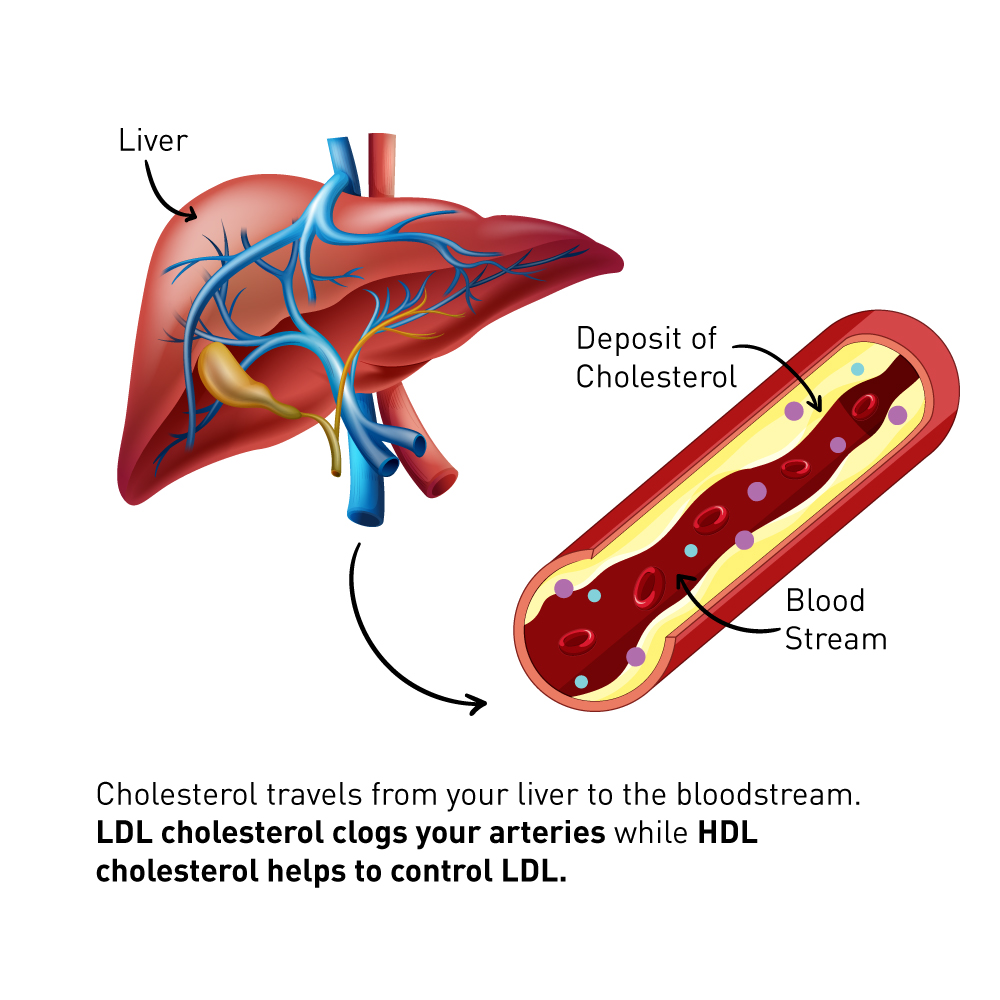
Cholesterol travels through your bloodstream on proteins called “lipoproteins.” There are 2 types of lipoproteins:

LDL (low-density lipoprotein), or “bad” cholesterol

LDL makes up most of your body’s cholesterol. It’s a larger molecule, so high levels of LDL mean there can eventually be a build-up within the walls of your blood vessels, causing narrowing of the passageways and inhibiting the free flow of oxygen-rich blood. Further, there are possibilities for clots to form and get stuck in a narrowed space, which could lead to a heart attack or stroke.

HDL (high-density lipoprotein), or “good” cholesterol

HDL is the good guy: helping clean up the mess! It travels through your blood, picks up excess cholesterol, and takes it back to your liver, where it is broken down and removed from your body. HDL helps you lower your risk of heart disease and stroke.

Triglyceride

The HDL cholesterol is closely related to triglycerides, a type of fat found in your blood that is stored in your fat cells and later released by your hormones for energy between meals. However, suppose you regularly consume more calories than you burn, especially from high-carbohydrate foods, it may result in high levels of triglycerides​​, which increases the risk of strokes, heart attacks and heart disease.

Usually, those with high triglycerides have a propensity to have low HDL cholesterol levels. The triglyceride/HDL ratio should be below 2 (divide your triglyceride levels by your HDL). If the triglyceride/HDL level is above 4, it is considered a risk, and therefore it is advisable to have a lower ratio by changing diet and taking up exercise. 

Increased triglycerides can be a reliable sign of biliary function, fat metabolism, liver function, and genetic factors. Problems with sugar typically accompany elevated triglycerides (sweet tooth) or adult-onset diabetes. Therefore, maintaining a triglyceride level between 70 and 100 mg/dl is advisable. 

Reduced triglycerides indicate inadequate fatty acid release, hormonal hyperactivity, and perhaps immunological issues.As opposed to simply high cholesterol and LDL/HDL ratios, keep in mind that the triglyceride to HDL ratio is a significantly better predictor of heart disease. It’s crucial to realise that additional factors besides high cholesterol also point to possible issues.

Risk factors that can impact your cholesterol levels

  • அதீத உடல் பருமன்
  • Type 2 diabetes
  • Diet high in saturated and trans fats
  • Lack of exercise
  • Smoking
  • Genes
  • Old age

What are optimal levels of HDL cholesterol?


Risk levels

Desirable level

Men

Less than 40 mg/dL (1.0 mmol/L)

60 mg/dL (1.6 mmol/L) or above

பெண்கள்

Less than 50 mg/dL (1.3 mmol/L)

60 mg/dL (1.6 mmol/L) or above

Cholesterol levels are measured in milligrams (mg) of cholesterol per deciliter (dL) of blood or millimoles (mmol) per liter (L).

How could you keep these numbers in check?

Things outside of your control can also affect cholesterol levels.

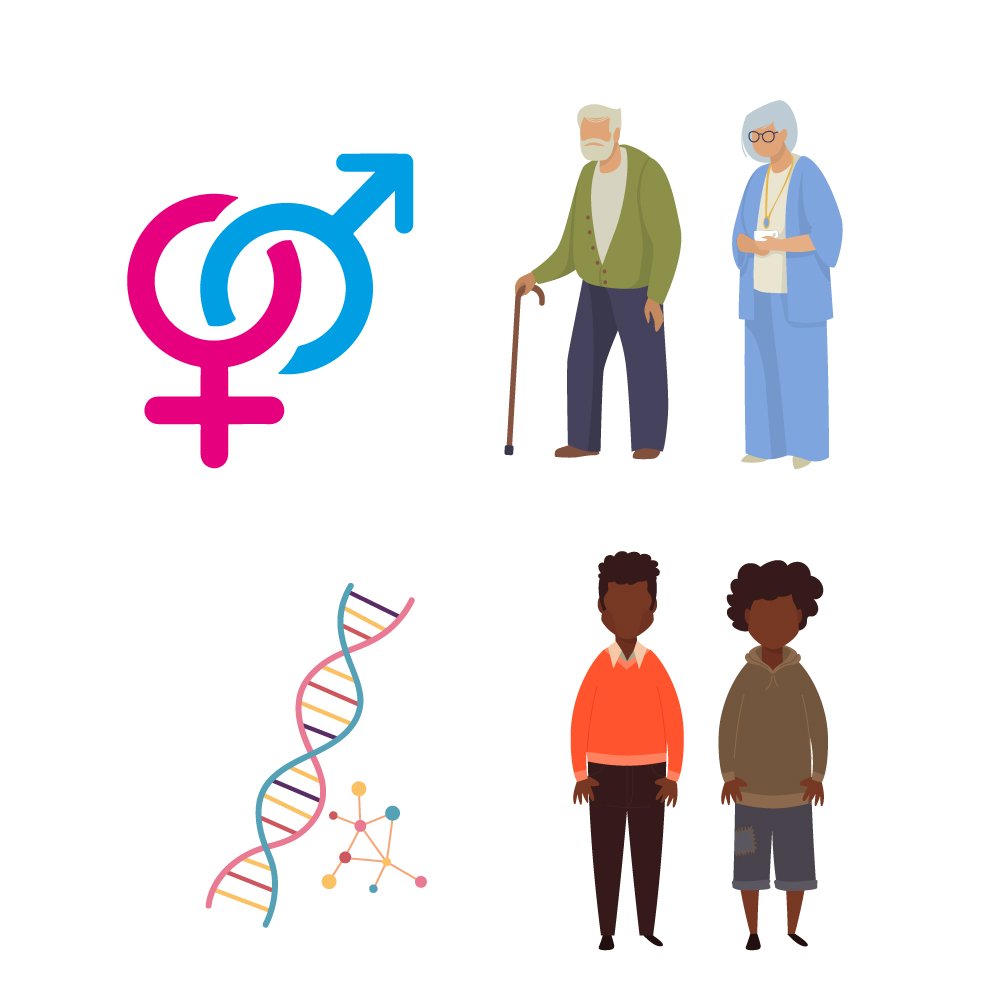
Age and Sex – The older you get, your cholesterol levels rise. Before menopause, women have lower total cholesterol levels than men of the same age. After the age of menopause, women’s LDL levels begin to rise.

Heredity – Your genes partly determine how much cholesterol your body makes. High blood cholesterol can be genetic.

Race – Certain races may have an increased risk of high blood cholesterol. For instance, African Americans typically have higher HDL and LDL cholesterol levels than whites.

Many things influence your cholesterol levels, which you have control over.

Physical activity – Though genes and weight may play an important role, your lifestyle choices around diet and exercise also influences your overall numbers.

Eat healthily – Add more fibre (whole grains) to your diet and include healthy fats like olive oil, Avacado and certain nuts. 

Limit your alcohol intake –  Drinking too much alcohol can raise levels of triglyceride fats in the bloodstream and lead to conditions such as high blood pressure and atrial fibrillation.

Consider quitting smoking – Smoking decreases HDL cholesterol.

Check your cholesterol levels – Knowing your cholesterol status can help you control your health.

  • If you are an adult under 45, it is advisable to get your cholesterol checked every 4 to 6 years.
  • If you have heart disease, diabetes or a family history of high cholesterol, it is advisable to check your cholesterol more often.
  • Children and adolescents should check their cholesterol at least once between ages 9 and 11 and again between ages 17 and 21.

Men between 45 to 65 and women between 55 to 65 should check for cholesterol every 1 to 2 years.

Are you unable to go to the hospital to get a test done?

oLabs provides a hassle-free process for checking your calendar and booking mobile lab tests via the oDoc app according to your flexibility. 

  • Convenience – You can simply stay at home and wait for your scheduled appointment time without worrying about traffic or parking. 
  • Safety – You can avoid crowded and potentially germ-filled waiting rooms. Instead of feeling awkward while your test samples are being collected, you can just relax in the comfort and safety of your own home. 
  • Efficiency – If more than one person in your household needs a test sample, we can gather both samples simultaneously. This omits the need for multiple appointments or trips to the collection clinic. 

However, if you wish to discuss more or gain advice on maintaining your cholesterol levels, speak to a general practitioner via the oDoc app from the comfort of your home.

Reference

  1. The Recommended Cholesterol Levels by Age, Healthline (2021).
  2. Nutrition and healthy eating, Mayo Clinic (2021)
  3. Cholesterol, Healthdirect (2020).
  4. Cholesterol ,Mediline plus (2020).
  5. What is Cholesterol? Heart attack and strong symptoms (2020).
  6. HDL cholesterol: How to boost your ‘good’ cholesterol, Mayo Clinic (2020).
Shares

Similar Articles...

Channel a doctor in just three taps

இப்போதே oDoc ஐ டவுன்லோட் செய்க

Back to oDoc Blog

Postpartum Depression Test Sinhala

ප්‍රසූතියෙන් පසු ඇති වන විෂාදය පරීක්ෂාව

දරු ප්‍රසූතියෙන් පසු මේ ගෙවෙමින් යන්නෙ අසීරු කාලයක් ද? ඔබ විසින් දරු ප්‍රසූතියෙන් පසු ඇති වෙන විෂාද තත්ත්වයෙන් පීඩා විඳින්නේ දැයි දැනගැනීමට අපගෙ මෙම කෙටි පරීක්ෂාව සිදු කරන්න.

සටහන : මෙම පරීක්ෂාව හුදෙක් දර්ශකයක් පමණක් වන අතර, මෙය කිසිසේත්ම වෘත්තීයමය වෛද්‍ය හමුවක්, රෝග නිර්ණයක් හෝ ප්‍රතිකාරයක් ලෙස සැළකිය නොහැක. ඔබේ ප්‍රතිඵල හෝ රෝග ලක්ෂණ ගැන ඔබ කණස්සලු වේ නම් oDoc හි සිටින ලියාපදිංචි මනෝ වෛද්‍යවරයකු සමග සම්බන්ධ වන ලෙසට අප ඔබෙන් කාරුණිකව ඉල්ලා සිටිමු. ඔවුන් විසින් ඔබේ පරීක්ෂාවේ ප්‍රතිඵල ගැන සාකච්ඡා කර, ඔබට ප්‍රතිකාර කිරීම සඳහා මානසික සෞඛ්‍ය සම්බන්ධයෙන් රෝග විනිශ්චයක් සිදු කරනු ඇත. 
Source

தமிழ்
0
    0
    உங்கள் தெரிவுகள்
    Your cart is empty