Categories
Blog Article

ප්‍රභේද, ප්‍රභේද, නමුත් එයින් අදහස් කරන්නේ කුමක්ද?

ප්‍රභේද, ප්‍රභේද, නමුත් එයින් අදහස් කරන්නේ කුමක්ද??

Shares

COVID-19 2020 මාර්තු මාසයේදී ශ්‍රී ලංකාවට පැමිණි විට, අපෙන් ඉතා සුළු පිරිසක් සිතුවේ මෙය වසර ගණනක් නොව මාස කිහිපයක දෙයක් බවයි. අයහපත් තත්වයක් තවත් නරක අතට හැරෙන ප්‍රභේද විකෘති කොට නිර්මාණය කළ හැකි බව අපේක්‍ෂා කළේ එයින්ද ඉතා සුළු පිරිසකි. කෙසේ වෙතත්, වසංගතයක ස්වභාවය වන්නේ වසර කිහිපයක් පුරාවට (මාස නොව) වෛරස් බහුලව පැතිරී යන ආසාදන භාවිතා කර වඩා ප්‍රබල අනුවාදයක් බවට පත්වීමයි. 

මේ හේතුවෙන් මාස 14ක කාලයක් තුල ලොවට දැන් SARS COV-2 රෝග කාරකයේ ප්‍රභේද අටක් පමණ තිබේ. නමුත් එයින් අදහස් කරන්නේ කුමක්ද? 

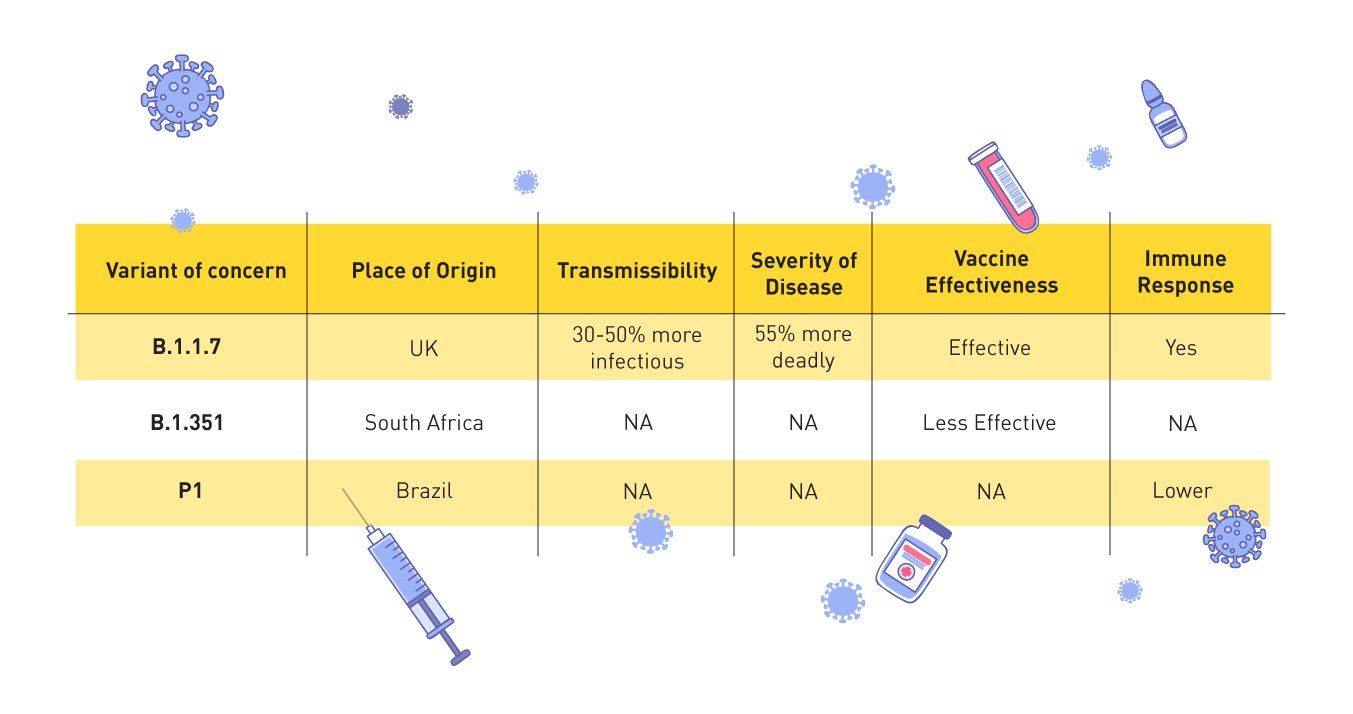
කෙටි පිළිතුර: වෛරසය පැතිරීමට ඉඩ දෙන තරමට, ප්‍රතිශක්තිකරණ ප්‍රතිචාරය මග හැරීම සඳහා එය වැඩි විකෘති ඇති කරයි. එක්සත් රාජධානිය, දකුණු අප්‍රිකාව සහ බ්‍රසීලය යන රටවලින් අප දුටු ප්‍රභේද වඩාත් බෝවන හා මාරාන්තිකය. මෙම ප්‍රභේද එන්නත් ප්‍රතිචාරය සාර්ථකව මඟ හැරියහොත්, අපි නැවත මෙම ගැටළුවේ මුලටම යනු ඇති.එනිසා, ආසාදන පැතිරීම සීමා කිරීම වසංගත ප්‍රතිචාරයේ අනිවාර්ය අංගයක් ලෙස පවතී. 

මේ පිටුපස ඇති හේතුව දැන ගැනීමට අවශ්‍යද? 
 
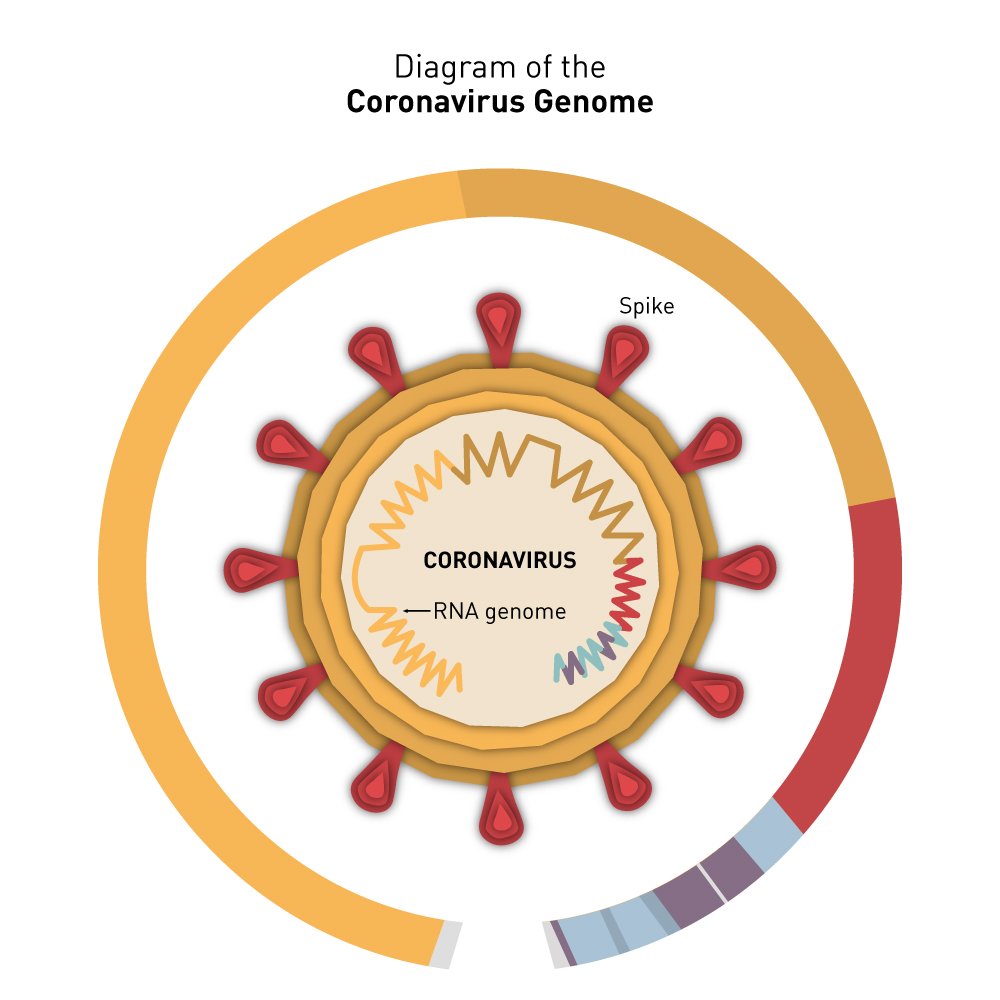
අපි නැවත මුලික කරුණු වෙත යමු. COVID19 යනු Sars-CoV-2 රෝග කාරකය නිසා ඇතිවන රෝගයකි. වෛරසයේ RNA පටියක් අඩංගු වේ. එහි ජානමය තොරතුරු 30,000 ක් පමණ ඇත. මෙම RNA අපගේ සෛල තුළට ඇතුළු වී,  ප්‍රතිවර්තනය කර, වැඩි වෛරස් සෛල නිර්මාණය කර ශරීරයේ සැරිසරයි. 
 
නමුත් සමහර විට, මෙම ප්‍රතිවර්තන ක්‍රියාවලියේදී, ආසාදිත සෛලය දත්ත පිටපත් කිරීමේදී දෝෂ ඇති කරයි. මෙම දෝෂ විකෘති ලෙස හැඳින්වේ. PCR පරීක්ෂණ වල ජානමය අනුක්‍රමණය මෙම විකෘති පිළිබඳව සොයා බැලීමට උපකාරී වේ. ප්‍රමාණවත් තරම් වෛරස් වලට එකම විකෘතියක් තිබේ නම් ඒවා ප්‍රභේදයක් ලෙස හැඳින්වේ. මෙම ප්‍රභේදවල ඇති විකෘති ප්‍රමාණවත් තරම් වෙනස් වී ඒවායේ ක්‍රියාකාරිත්වය වෙනස් 
කරන්නේ නම්, වික්‍රියා ඇති වේ.  
 
Sars-CoV-1 2001 SARS වසංගතයට හේතු විය. එය දැන් පවතින වසංගතයට හේතුවන Sars-CoV-2ට වඩා වෙනස් වේ. අවාසනාවකට මෙන්, Sars-CoV-2 ලෝකයේ විවිධ ප්‍රදේශවල ප්‍රමාණවත් විකෘති වලට භාජනය වී ඇත.  
මෙය ගැටලුවක් වන්නේ කවදාද? 
 
විකෘති සාමාන්‍යයි. අපගේ DNA අපගේ සෛල මගින් ප්‍රතිවර්තනය කළ විට පවා විකෘති සිදු වේ. කෙසේ වෙතත්, විකෘතියේ බලපෑම් වඩාත් වැදගත් වේ. CDC/WHO ප්‍රභේද මෙලෙස වර්ගීකරණය කරයි, i)උනන්දු විය යුතු ප්‍රභේද, ii)සැලකිලිමත් විය යුතු ප්‍රභේද, iii)ඉහළ ප්‍රතිවිපාක ප්‍රභේද 
 
Sars-CoV-2 හි විකෘති 8 ක් සොයාගෙන ඇතත්, මෙම ප්‍රභේද 3 ක් දැනට සැලකිලිමත් වන ප්‍රභේද ලෙස වර්ගීකරණය කර ඇත. සැලකිලිමත් විය යුතු ප්‍රභේද වඩාත් දරුණු රෝග ඇති කරන හා වඩාත් බෝවන අතර එන්නත් ප්‍රතිචාරයද මග හැරිය හැක. ඉතිරිය උනන්දුවක් දක්වන ප්‍රභේද ලෙස වර්ගීකරණය කර ඇත: ඒවා වඩාත් ආසාදිත තත්වයට පත්විය හැකිය. කෙසේ වෙතත්, ඒවා තවමත් සම්පූර්ණයෙන් වටහාගෙන නොමැත.
ඉන්දියාවේ සිදුවන්නේ කුමක්ද? 
 
සති කිහිපයක් ඇතුළත ඉන්දියාව වසංගතයේ ගෝලීය කේන්ද්‍රස්ථානය බවට පත්ව ඇත. දිනකට නව රෝගීන් 400,000 ක් වාර්තා වේ. සම්ප්‍රේෂණය වීමේ වේගය සහ අධික මරණ සංඛ්‍යාව වසංගතයේ දරුණුම කාලය අවසන් වී ඇති සිතූ ලෝකයක් කම්පනයට පත් කර තිබේ.  
 
ඉන්දියාව පුරා වෛරසයේ ද්විත්ව විකෘතියක් සොයාගෙන ඇත – බී 1.617 ca. අනුක්‍රමික PCR වලින් 80% ක හමු වී ඇත. 
 
මෙම විකෘති මඟින් වෛරසයට එන්නත ප්‍රතිශක්තීකරණ ප්‍රතිචාරය සහ පූර්ව ආසාදනයෙන් ජනනය වන ප්‍රතිශක්තිය මග හැරීමට ඉඩ ලබා දෙන්නේද යන්න තීරණය කිරීම සඳහා දැනට අධ්‍යයන සිදු වෙමින් පවතී. 

Image source: Hindustan Times

එන්නත් ප්‍රභේදයන්ට එරෙහිව ක්‍රියා කරයිද? 

මෙය එක් එක් ප්‍රභේදය හා විකෘතිය සමඟ නිරන්තරයෙන් විමසා බලන තීරණාත්මක ප්‍රශ්නයකි. අවාසනාවකට මෙන්, එන්නත සහ ප්‍රභේදය අනුව මේ දක්වා සොයාගැනීම් වෙනස් වී ඇත.  
 
නව ප්‍රභේද හමුවේ Pfizer අධික ලෙස ශක්තිමත්ව පවතී. AstraZeneca එන්නත එක්සත් රාජධානියේ ප්‍රභේදයට එරෙහිව ශක්‍යව පවතින නමුත් දකුණු අප්‍රිකානු ප්‍රභේදයට ඊට අඩුවෙන් ක්‍රියාකාරී වේ. බ්‍රසීලියානු ප්‍රභේදය දැනටමත් COVID19 තිබූ පුද්ගලයින්ගේ ප්‍රතිශක්තිකරණ ප්‍රතිචාරය මග හරින බව පෙනේ.  
 
 
ඉතින් මේ සියල්ලෙන් ශ්‍රී ලංකාවේ අපට ඇති අර්ථය කුමක්ද? 
 
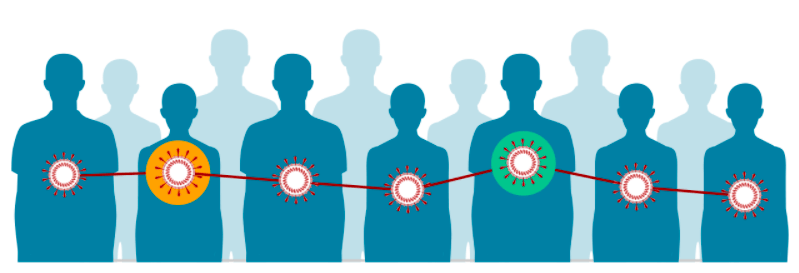
ප්‍රතිවර්තනය කිරීමට ඉඩ දෙන විට වෛරස් විකෘති වේ. ජනගහනයක් හරහා වේගයෙන් ව්‍යාප්ත වීමට ඉඩ දී ඇති විට එය නැවත නැවත අනුකරණය වීමට වැඩි අවස්ථාවක් ලබා දේ. මෙම විකෘති බොහොමයක් තවදුරටත් හානියක් නොකරයි. කෙසේ වෙතත්, එන්නත් කිරීම සහ ප්‍රතිශක්තිය වැඩි කිරීම වෛරසයට නොනැසී පැවතීම දුෂ්කර වන විට, විකෘති වඩාත් ප්‍රබල විය හැකිය. එය පරිණාමයයි! 

Image Source: BBC

ශරීරයේ ප්‍රතිශක්තිකරණ පද්ධතිය වෛරසයට ප්‍රබල විරුද්ධවාදියෙකු ලෙස සිටියද – විකෘති නොසලකා – වෛරසය විකෘති වීමට ඇති අවස්ථා අඩු කිරීම තීරණාත්මක වසංගත ප්‍රතිචාරයකි.  
 
අපට නම් එයින් අදහස් කරන්නේ මහජන සෞඛ්‍ය මාර්ගෝපදේශ පිළිපැදීමයි: 
  • අපේ නිවසින් පිටත මුහුණු ආවරණ පළඳින්න
  • අත් සේදීම
  • ඉහළ ස්පර්ශක ස්ථාන විෂබීජහරණය කිරීම සහ ගමනාගමනය අඩු කිරීම

මේ දේවල් කිරීමෙන් අපි වෛරසය බෝවන ස්ථාන ඉවත් කර, සෑම කෙනෙකුටම එන්නත ලබා ගත හැකි වන තෙක් එන්නත් වල කාර්යක්ෂමතාව පවත්වා ගෙන යන්නෙමු. එයින් COVID19 සරල සෘතුමය උණක්  දක්වා අඩු කර ගැනීමට හැකි වනු ඇති.

පරිස්සමින් ඉන්න. ගෙදර ඉන්න. 

ඔබට වෛද්‍ය උපදෙස් අවශ්‍ය නම්, රෝහලට යාමෙන් වැළකී අපගේ පළපුරුදු වෛද්‍යවරුන් 1,000 දෙනාගෙන් එක් අයෙකු සමඟ වීඩියෝ ඇමතුමක් හරහා කතා කරන්න. 

අදම Download oDoc කරගන්න.  

Sources
  1. Davies N.G. et al (2021), Increased mortality in community-tested cases of SARS-CoV-2 lineage B.1.1.7, Nature
  2. Volz, E et al (2021) Transmission of SARS-CoV-2 Lineage B.1.1.7 in England: Insights from linking epidemiological and genetic data., Preprint MedXRiv
  3. Dasgupta, B (2021) ‘Double mutant’ most common variant now: India’s genome data., Hindustan Times
  4. Coronavirus Variant Tracker, New York Times
  5. Xieping, X et al., (2021) Neutralization of SARS-CoV-2 spike 69/70 deletion, E484K, and N501Y variants by BNT162b2 vaccine-elicited sera, BioXRiv Preprint
  6. Emary, K et al., (2021), Efficacy of ChAdOx1 nCoV-19 (AZD1222) Vaccine Against SARS-CoV-2 VOC 202012/01 (B.1.1.7). The Lancet, Preprint
  7. Sabino E et al., (2021), Resurgence of COVID-19 in Manaus, Brazil, despite high seroprevalence, The Lancet, 397: 452-455.
  8. Roberts, M (2021) What are the Indian, Brazil, South Africa and UK Variants? BBC News
Shares

Similar Articles...

Channel a doctor in just three taps

දැන්ම oDoc ඩවුන්ලෝඩ් කරන්න

Back to oDoc Blog

Back to oDoc Blog

Categories
Blog Article

COVID-19 වාතය හරහා බෝවිය හැකිය.

COVID-19 වාතය හරහා බෝවිය හැකිය.

ඔබ සහ ඔබගේ ආදරණීයයන් ආරක්ෂා කරන්නේ කෙසේද?

Shares

අපි දැනටමත් එය බොහෝ වාරයක් අසා ඇත්තෙමු. මුහුණු ආවරණයක් පළදින්න. සෑම විටම ඔබේ අත් සෝදන්න. සමාජීය දුරස්ථ භාවය රැකගන්න. ජනාකීර්ණ ස්ථානවලට යාමෙන් වළකින්න. සමහර විට අපි සෞඛ්‍ය නීති රීති වලට ඇහුම්කන් දෙන්නේ නැති තරම්. නමුත් COVID-19 රෝගීන් ගණන ඉහළ යාම, වැඩි රෝගීන් පිරිසක් රෝහල්ගත වීම හා තරුණ රෝගීන් ගණන වැඩි වීමත් සමඟ, අපට නැවත අප දන්නා දෙය වෙත අවධානය යොමු කිරීමට වී තිබේ. COVID-19 එතරම් ලෙහෙසියෙන් පහව යන්නේ නැති අතර 3 වන රැල්ල දැනටමත් අපේ රටට වේගයෙන් බලපෑම් ඇති කර ඇත.

සැමවිටම මෙන්, COVID-19 පිළිබඳ නවතම තොරතුරු සහ ඔබ සහ ඔබගේ ආදරණීයයන් ආරක්ෂාකාරීව තබා ගැනීම සඳහා හොඳම උපදෙස් ඔබට ලබා දීමට oDoc බැදී සිටී.

COVID-19 වාතය හරහා බෝවිය හැකිය

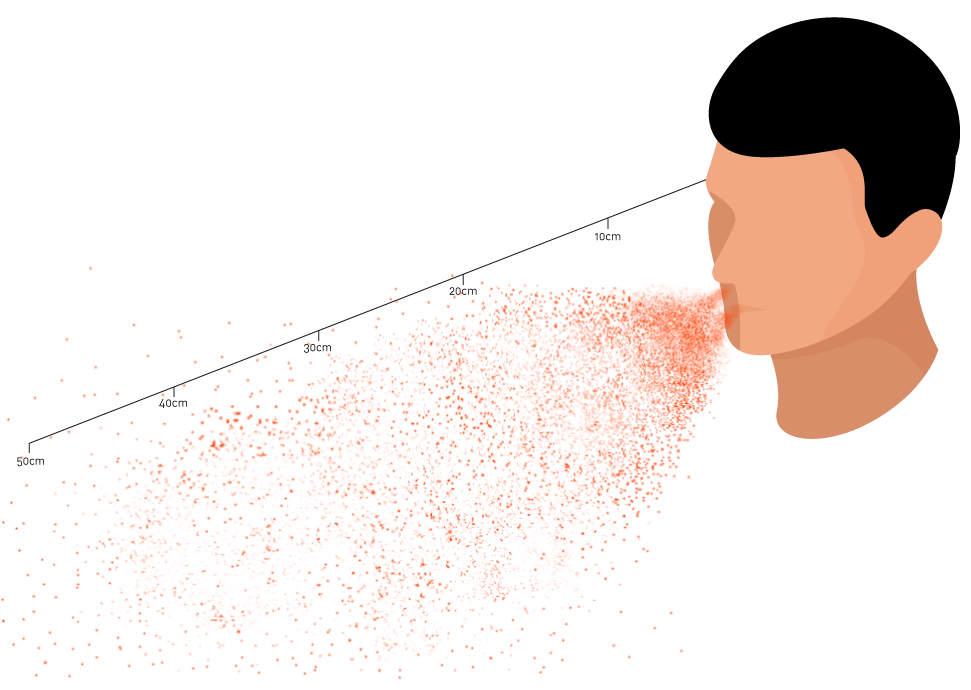
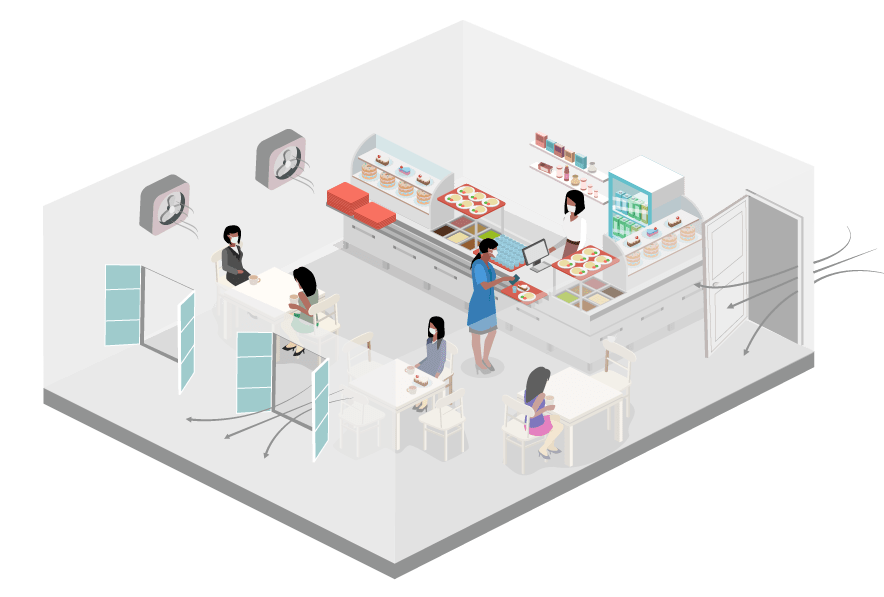
COVID-19 ශ්වසන ජල බිඳිති සහ එයරොසෝල් මගින් වාතය හරහා පැතිරෙයි. වෛරසයේ බෝවීමේ හැකියාව වැඩි කිරීමට එයරොසෝල් සැලකිය යුතු කාර්යභාරයක් ඉටු කරයි. දුර්වල වාතාශ්‍රය සහිත ස්ථානවල මෙම කුඩා ජල බිඳිති පැය ගණනක් වාතයේ රැදී පවතී. විශාල ශ්වසන ජල බිඳිති තත්පර කිහිපයකින් බිමට වැටෙන අතර ආසාදිත නොවන පුද්ගලයෙකුට ආශ්වාස කිරීමේ අවස්ථාව අඩු කරයි.

ඔබ සුපිරි වෙළඳසැලකට යන බව සිතමු. සමහර විට ඔබ කාර්යබහුල නොවන සහ අවට බොහෝ පුද්ගලයින් නොමැති අවස්ථාවක වෙළඳ සැලට යනවා යැයි සිතන්න. ඔබේ මුහුණු ආවරණය ඉවත් කර ඇවිදින්න පුළුවන් යැයි ඔබට සිතෙනු ඇත. COVID-19 ආසාදිත පුද්ගලයෙකු පැය කිහිපයකට පෙර සුපිරි වෙළඳසැලේ සිටියා නම්, ඔවුන්ගේ ආසාදිත ශ්වසන ජල බිඳිති තවමත් වාතයේ තිබිය හැක. විශේෂයෙන් එම ස්ථානයේ දුර්වල වාතාශ්‍රයක් තිබේ නම් හා වාතය සංසරණය වීමට විවෘත කවුළු හෝ විදුලි පංකා නොමැති නම් වැඩි ප්‍රවනතාවක් තිබිය හැක. 

ඔබට පහසුවෙන් එම ජල බිඳිති ආශ්වාස කර COVID-19 ආසාදනය විය හැකිය. එබැවින් නිශ්චිත මොහොතක ගෘහස්ථ අවකාශයක ඔබ වටා වෙනත් කිසිවෙකු නොමැති වුවද, පැය කිහිපයකට පෙර එම අවකාශයේ සිටි ආසාදිත පුද්ගලයින් විසින් ඔබට තවමත් COVID-19 වැළඳිය හැකිය.

විශේෂයෙන් සංවෘත ගෘහස්ථ අවකාශයන් වලදී දැඩි ලෙස මතකයේ තබා ගත යුතු කරුණු:

ද්විත්ව මුහුණු ආවරණ! ශ්වසන කාන්දුවීම් සඳහා ඉඩක් නොමැතිව ආරක්ෂිත මුහුණු ආවරණ පැළඳ ඇති බවට වග බලා ගන්න. ඔබ KN95 හෝ N95 මුහුණු ආවරණ පැළඳ සිටී නම්, ඔබට මුහුණු ආවරණ දෙකක් අවශ්‍ය නොවේ.
ඔබ වෙනත් පුද්ගලයෙකු අසල සිටින විට පමණක් නොව නිවසින් බැහැරව සිටින සෑම විටම ඔබේ මුහුණු ආවරණය පළඳින්න.
බෝවන අංශු එළිමහනේ විසිරී යාමේ හැකියාව වැඩි බැවින් හැකි නම්, වෙනත් අය එළිමහනේ හමුවන්න. සබන් යොදා ඔබේ අත් සෝදන්න හෝ නිතරම අත් සනීපාරක්ෂක භාවිතා කරන්න. අඩි 6 ක භෞතික දුරස්ථභාවයක් පවත්වා ගන්න.

ඔබේ නිවසේ නොවන වෙනත් අය ඇතුළත් වන සංවෘත අවකාශවලට ඇතුළු වීමෙන් වළකින්න. ඔබට යම් ගෘහස්ථ ස්ථානයකට යෑමට අවශ්‍ය නම්, එම ස්ථානයේ වාතාශ්‍රය සඳහා විවෘත කවුළු කිහිපයකින් නිසි ලෙස වාතාශ්‍රය ඇති බවට වග බලා ගන්න. තවද එම ස්ථානයේ ගත කරන කාලය අවම කරන්න. ඔබ එම ස්ථානයේ ගත කරන කාලය, ආසාදනය වීමේ වැඩි ඉඩක් ඇති කරයි!

ඔබ හෝ ඔබ ආදරය කරන කෙනෙකු කිසියම් COVID-19 රෝග ලක්ෂණ අත්විඳින්නේ නම්, ඔබේ රෝග ලක්ෂණ වඩා හොඳින් තේරුම් ගැනීමට oDoc යෙදුමේ අපගේ COVID-19 තක්සේරු කිරීමේ මෙවලම භාවිතා කරන්න. විකල්පයක් ලෙස, ඔබට COVID-19 තිබිය හැකි යැයි ඔබ විශ්වාස කරන්නේ නම් ඊළඟ පියවර තේරුම් ගැනීමට ඔබට oDoc හි වෛද්‍යවරයෙකුගෙන් උපදෙස් ලබා ගත හැකිය.


References:
https://www.thelancet.com/journals/lancet/article/PIIS0140-6736(21)00869-2/fulltext
https://www.bmj.com/content/373/bmj.n913
https://www.bmj.com/content/370/bmj.m3206
https://www.indiatoday.in/world/story/sri-lanka-new-covid-corona-variant-highly-transmissible-airborne-1794632-2021-04-24

Shares

Similar Articles...

Channel a doctor in just three taps

දැන්ම oDoc ඩවුන්ලෝඩ් කරන්න

Back to oDoc Blog

Back to oDoc Blog

Categories
Blog Article

Is My Baby Drinking Enough Milk?

Is my baby drinking enough milk?

Milk supply myths debunked!

Nicole Parakrama | BSc Hons Molecular Cell Biology, UCL (UK) | 17th April 2021 | <5 minute read

Shares

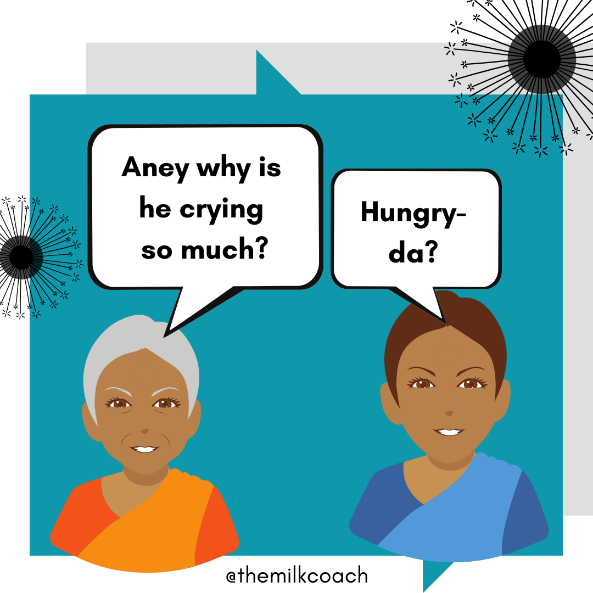
“Aney why is he crying so much?”…

…“Hungry-da?”…..

Mothers of infants might find this line of questioning familiar!

In our culture, we tend to cajole and bribe our children into eating more, with the goal of making them as chubby as possible. However, when we don’t allow our children to regulate their hunger for themselves, this can lead to unhealthy eating patterns (see this study here) with repercussions all the way into adulthood (some other great longitudinal studies here and here). We do our children a great disservice when we don’t take into account their varying body structures, feeding patterns, and metabolisms when considering when and how often we feed them.

“Aney why is he crying so much?”…

…“Hungry-da?”…..

Mothers of infants might find this line of questioning familiar!

In our culture, we tend to cajole and bribe our children into eating more, with the goal of making them as chubby as possible. 

 This same culture can extend to breastfeeding as well, with negative repercussions as a result! A study conducted by Rodrigo et al among 249 mothers at the Colombo North Teaching Hospital, found that “a family member telling mothers that their milk supply was low had

However, when we don’t allow our children to regulate their hunger for themselves, this can lead to unhealthy eating patterns (see this study here) with repercussions all the way into adulthood (some other great longitudinal studies here and here). We do our children a great disservice when we don’t take into account their varying body structures, feeding patterns, and metabolisms when considering when and how often we feed them. This same culture can extend to breastfeeding as well, with negative repercussions as a result! A study conducted by Rodrigo et al among 249 mothers at the Colombo North Teaching Hospital, found that “a family member telling mothers that their milk supply was low had the most

the most significant impact on Perceived Inadequacy of Milk (PIM)”.  In other words, we can give undue weight to the opinion, however well-intentioned, of someone who is (to put it simply) not the mother of our baby. 

It is not surprising, then, that one of the most Googled questions on breastfeeding is – “How can I tell if my baby is drinking enough milk?”  This is an understandable concern, as we simply cannot see how much milk our baby is taking in at the breast, so we have to guess!  Rest-assured, our babies are very clever at making their needs known – and they will usually drink as much milk as they need.  In turn, our breast tissue will respond over time and produce a supply of milk to match their demands. There ARE instances where concerns are warranted, and supply is low for medical reasons, but this is very often not the case.

This same culture can extend to breastfeeding as well, with negative repercussions as a result! A study conducted by Rodrigo et al among 249 mothers at the Colombo North Teaching Hospital, found that “a family member telling mothers that their milk supply was low had the most significant impact on Perceived Inadequacy of Milk (PIM)”.  In other words, we can give undue weight to the opinion, however well-intentioned, of someone who is (to put it simply) not the mother of our baby. 

It is not surprising, then, that one of the most Googled questions on breastfeeding is – “How can I tell if my baby is drinking enough milk?”  This is an understandable concern, as we simply cannot see how much milk our baby is taking in at the breast, so we have to guess!  Rest-assured, our babies are very clever at making their needs known – and they will usually drink as much milk as they need.  In turn, our breast tissue will respond over time and produce a supply of milk to match their demands. There ARE instances where concerns are warranted, and supply is low for medical reasons, but this is very often not the case.

significant impact on Perceived Inadequacy of Milk (PIM)”. In other words, we can give undue weight to the opinion, however well-intentioned, of someone who is (to put it simply) not the mother of our baby. 

It is not surprising, then, that one of the most Googled questions on breastfeeding is – “How can I tell if my baby is drinking enough milk?” 

This is an understandable concern, as we simply cannot see how much milk our baby is taking in at the breast, so we have to guess!  Rest-assured, our babies are very clever at making their needs known – and they will usually drink as much milk as they need.  In turn, our breast tissue will respond over time and produce a supply of milk to match their demands. There ARE instances where concerns are warranted, and supply is low for medical reasons, but this is very often not the case. 

A longitudinal study by Nielsen et al studied the milk intake of 50 healthy, exclusively breastfed babies over 6 months, and found the milk intake and fulfilment of energy values to be in excess of literature values.

Unfortunately, it is this fear of having a low supply which can become a roadblock in our breastfeeding journeys, far more often than it being an actual medical issue.

At a very high level, the rule of thumb is – if your baby comes off the breast looking relaxed, and if the number of heavy, wet diapers in 24 hours is more than or equal to the number of days old (for newborns up to one week), and 5-6 thereafter, your baby is very likely getting adequate milk (check out this comprehensive presentation by the Sri Lanka College of Pediatricians, particularly slides 41-46).

There are 9 common occurrences that may worry mothers, but which are not necessarily an indication of inadequate milk supply:

1. My baby wants to nurse very frequently

Breast milk is actually digested very efficiently (usually within 1.5-2 hours) and frequent feeding is common as a result.  Some babies are also more ‘sucky’ than others or require more skin contact.

2. My baby suddenly nurses more frequently, or for longer durations

This may be a growth spurt, which usually lasts a few days to a week. Since milk production is supply & demand-based, allowing your baby to feed extra will result in your breasts producing more milk to catch up.

3. My baby suddenly nurses less frequently, or for shorter durations

With age, as your baby gets more efficient at extracting milk, and the size of their little tummy increases, this will happen and is not an indicator of low supply.

4. My baby guzzles down a bottle of milk after nursing

Many babies will take a bottle of milk even after a full breastfeed, due to their suckling reflex, and then fall asleep due to exhaustion rather than satiation.

5. My breasts don’t leak milk, or only leak a little, or have stopped leaking

Leaky breasts have nothing to do with your milk supply adequacy. Leaking often stops once your milk supply has adjusted to your baby’s needs, and/or as the feeds become more predictable.

6. My breasts seem softer, or don’t get engorged anymore

Again this often happens once your milk supply has adjusted to your baby’s needs, and/or as the feeds become more predictable.

7. I don’t feel a let down sensation

Some women may never experience a let down sensation (tingling, pins & needles or a feeling of warmth), or find that it reduces over time. This is not connected to a reduction in supply.

8. I get very little milk when i pump

There are many reasons why this could be… pumping technique, pump type, flange size etc. At the best of times, your baby’s suck will always be more efficient at draining your breasts than the pump can mimic.  Pump output should not be used as a reliable indicator of production.

Hopefully you will find some reassurance if you are in this boat of questioning your supply.  However, if you have already found it in yours or your baby’s best interest to give formula, there is no guilt or shame in that. Breastmilk, while optimal, is not the only way to feed your baby. There are many circumstances where combination feeding (formula + breast milk) or only formula is necessary, and your child will be none the worse for it.  A well-fed baby combined with a happy mother really is the best end result.

How I became ‘The Milk Coach’

When my first child was born, I was quite unprepared for what lay ahead.  Particularly when it came to breastfeeding – I was naïvely expectant that I could just place him onto my chest, and let nature take its course.  What a surprise I was in for!  Cracked nipples from sub-optimal positioning, and my milk taking its own time to come in, led to terrible pain.  This pain became excruciating when my son developed oral thrush which travelled through to my milk ducts.  Fortunately, thanks to a lot of research and some wise mum friends, I was able to power through those awful first few months.  Most crucially, I was able to advocate for myself with health professionals (and I’m thankful for the ones who listened to me when I did!).

This birthed a passion to peer-to-peer counsel, share with and advocate for my fellow Sri Lankan mums, to support them to achieve their breastfeeding goals. To this end I am working to add to a science background (in Molecular Cell Biology) with an accreditation by La Leche League International (LLLI). 

Join the conversation, follow @themilkcoach on Instagram or Facebook.

oDoc ඩවුන්ලෝඩ් today on the App store or Play store.
Shares

Similar Articles...

Endometriosis

Endometriosis No woman looks forward to “that time of the month.” Dealing with nausea, stomach cramps, mood swings, back pains and fatigue, all whilst facing

Read More »

Channel a doctor in just three taps

දැන්ම oDoc ඩවුන්ලෝඩ් කරන්න

Back to oDoc Blog

Back to oDoc Blog

Categories
Blog Article

How to relieve menstrual cramps

How to relieve menstrual cramps

Shares

Ladies, is it that time of the month? Are we feeling subtle cramps in our stomach, lower back pain, maybe some strange mood swings? Maybe we have to make a trip to the supermarket and buy our monthly stock of pads and tampons. We get it! Your period is here, which means those uncomfortable, painful cramps are here too. We’re here to help ease the burden by giving you some ways you can relieve the pain and discomfort.

What are menstrual cramps?

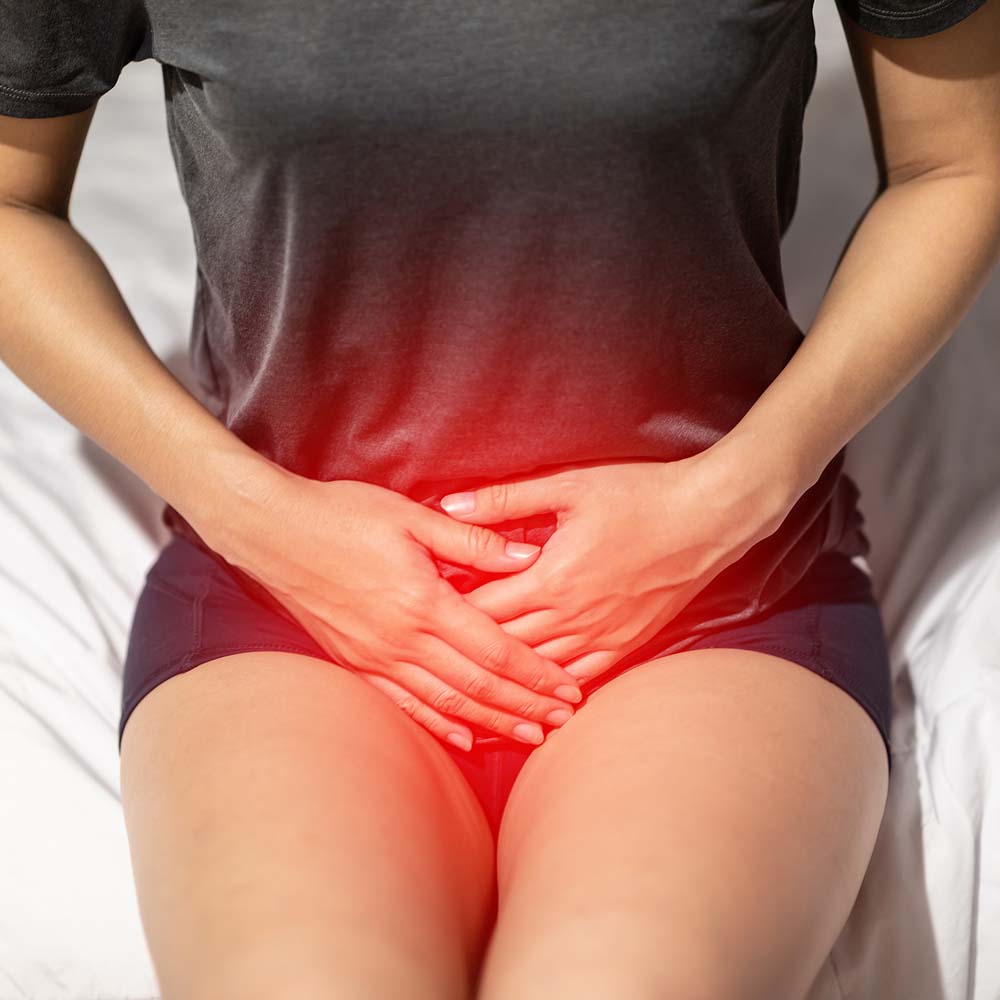
Period cramps, or dysmenorrhea, refers to the discomfort women feel in their abdomen, lower back and thighs during their menses. Cramping can vary in intensity from woman to woman. Some may feel a slight discomfort and others may feel more severe pains that can affect certain aspects of their life.

Why do period cramps happen in the first place?

During your period, the uterus contracts to help shed its lining. Hormone-like substances (prostaglandins) trigger the contractions which causes pain and inflammation. Higher levels of prostaglandins can lead to more severe menstrual cramps.

Symptoms of menstrual cramps may include:

  • Cramping in the lower abdomen
  • Lower back pain
  • Pain radiating down the legs
  • Nausea
  • Vomiting
  • Diarrhea
  • Fatigue
  • Weakness
  • Fainting
  • Headaches

Symptoms of menstrual cramps may include:

  • Cramping in the lower abdomen
  • Lower back pain
  • Pain radiating down the legs
  • Nausea
  • Vomiting
  • Diarrhea
  • Fatigue
  • Weakness
  • Fainting
  • Headaches

What can you do to relieve the pain from cramps during your menses?

For mild and temporary cramps, some home remedies can provide comfort and relief.
Here are a few things for you to try:

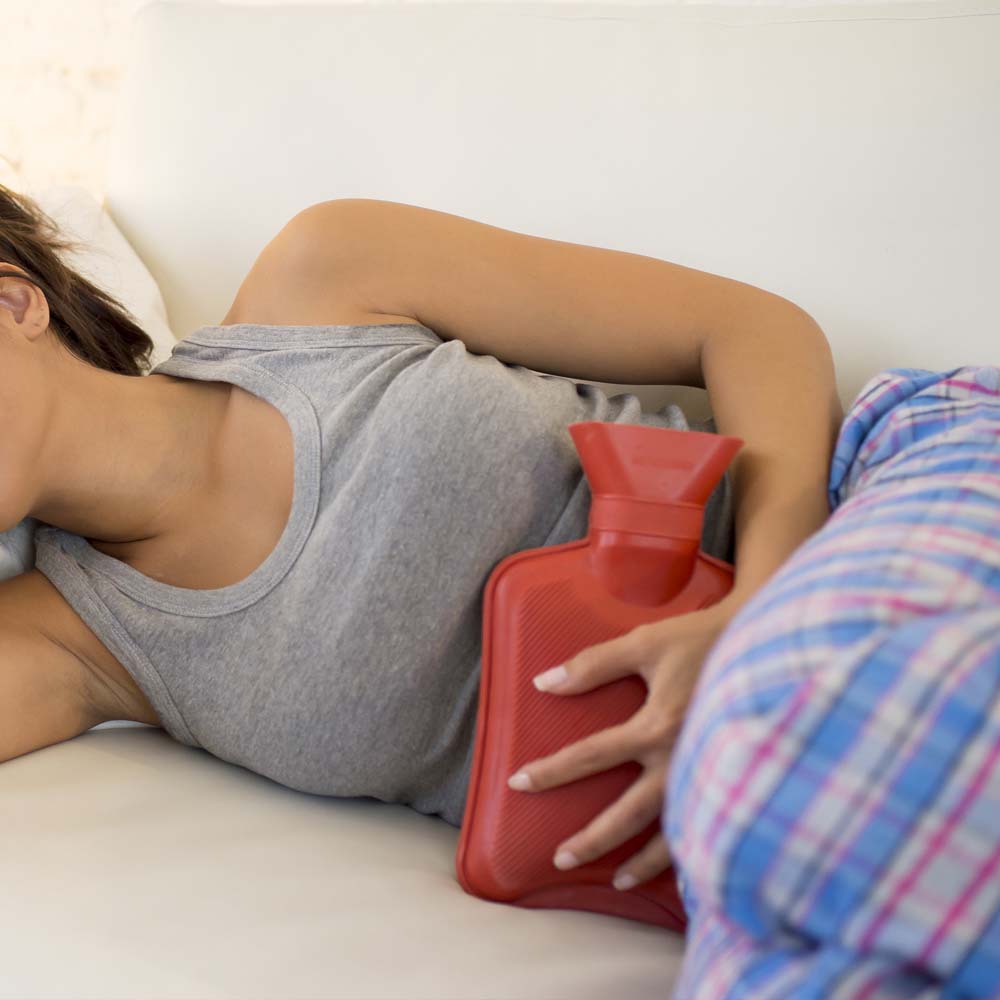
Applying heat to your lower abdomen and lower back can relieve pain. If you don’t have a heating pad or hot water bottle, take a warm bath or use a hot towel.

Applying heat to your lower abdomen and lower back can relieve pain. If you don’t have a heating pad or hot water bottle, take a warm bath or use a hot towel.

Applying heat to your lower abdomen and lower back can relieve pain. If you don’t have a heating pad or hot water bottle, take a warm bath or use a hot towel.

Avoid foods that cause bloating such as fatty foods, alcohol, carbonated drinks, caffeine or salty foods. Instead have some tea with ginger or mint, hot water with lemon or strawberries

Avoid foods that cause bloating such as fatty foods, alcohol, carbonated drinks, caffeine or salty foods. Instead have some tea with ginger or mint, hot water with lemon or strawberries

Avoid foods that cause bloating such as fatty foods, alcohol, carbonated drinks, caffeine or salty foods. Instead have some tea with ginger or mint, hot water with lemon or strawberries

Maintain a consistent diet of minimally processed foods, fiber and plants. Try having more papaya, brown rice, walnuts, almonds, broccoli, fish, leafy green vegetables and flax seeds.

Maintain a consistent diet of minimally processed foods, fiber and plants. Try having more papaya, brown rice, walnuts, almonds, broccoli, fish, leafy green vegetables and flax seeds.

Maintain a consistent diet of minimally processed foods, fiber and plants. Try having more papaya, brown rice, walnuts, almonds, broccoli, fish, leafy green vegetables and flax seeds.

Drink more warm or hot water and eat water-based foods to increase your hydration such as cucumber, watermelon, lettuce and celery.

Drink more warm or hot water and eat water-based foods to increase your hydration such as cucumber, watermelon, lettuce and celery.

Drink more warm or hot water and eat water-based foods to increase your hydration such as cucumber, watermelon, lettuce and celery.

Exercise! Although the last thing we want to do during our menses is work out, exercise releases endorphins which relieves some menstrual cramp pain.

Exercise! Although the last thing we want to do during our menses is work out, exercise releases endorphins which relieves some menstrual cramp pain.

Exercise! Although the last thing we want to do during our menses is work out, exercise releases endorphins which relieves some menstrual cramp pain.

When to see a doctor:

  • If period cramps disrupt your life in some way every month
  • Your symptoms get progressively worse and you are in intense pain every month
  • If you started having severe menstrual cramps after the age of 25

You can speak to a VOG doctor by consulting an Obstetrician or Gynecologist on the oDoc app. GPs and Family Physicians are also available to consult.

oDoc ඩවුන්ලෝඩ් today on the App store or Play store.
Shares

Similar Articles...

Endometriosis

Endometriosis No woman looks forward to “that time of the month.” Dealing with nausea, stomach cramps, mood swings, back pains and fatigue, all whilst facing

Read More »

Channel a doctor in just three taps

දැන්ම oDoc ඩවුන්ලෝඩ් කරන්න

Back to oDoc Blog

Back to oDoc Blog

Women’s Health

කාන්තා සෞඛ්‍යය

කාන්තාවකගේ සිරුර හා මනස, ඇගේ ජීවිත කාලය පුරාම විවිධාකාර වු වෙනස්කම් වලට භාජනය වේ. එබැවින් ඔබටම පෞද්ගලික වූ, ඔබේ මනසට සහ සිරුරට යන දෙකටම ගැළපෙන හොඳම සෞඛ්‍යය පහසුකම් ඔබට ලබාදීම සඳහා oDoc අප ඔබ වෙනුවෙන් කැපවී සිටින්නෙමු.

කාන්තාවකගේ සිරුර හා මනස, ඇගේ ජීවිත කාලය පුරාම විවිධාකාර වු වෙනස්කම් වලට භාජනය වේ. එබැවින් ඔබටම පෞද්ගලික වූ, ඔබේ මනසට සහ සිරුරට යන දෙකටම ගැළපෙන හොඳම සෞඛ්‍යය පහසුකම් ඔබට ලබාදීම සඳහා oDoc අප ඔබ වෙනුවෙන් කැපවී සිටින්නෙමු.

ඔබ මේ ගැන වැඩිදුර තොරතුරු දැනගැනීමට කැමති ද?

එක් එක් කාන්තාවන් තමන්ගේ ඔසප් කාලය තුල මුහුණ දෙන අත්දැකීම් එකිනෙකාට වෙනස් වේ. ඔබ ඔසප් වේදනාව පාලනය කරගන්නේ, නැතිනම් සමනය කරගන්නෙ කෙසේද? නැතිනම් ඔබේ ආර්තව චක්‍රය අක්‍රමවත් ද?

ඔබ ගර්භණී අයෙකු හෝ ගැබ් ගැනීමට උත්සාහ කරමින් සිටින අයෙකු හෝ නම්, ඔබේ දරුවාට සෞඛ්‍යය සම්පන්න ජීවිතයක් ලබාදීම සඳහා, පෙර සූදානම අත්‍යාවශ්‍ය වේ. ඔබ ගැබ්ගෙන ඇත්දැයි පරීක්ෂා කිරීමට පෙර සිටම පවා, ඔබේ දරුවාගේ අනාගතය යහපත් කිරීම වෙනුවෙන් අවශ්‍ය කරන වැදගත් පියවර ගැනීමේ හැකියාව ඔබට ඇත.

ලිංගාශ්‍රිතව බෝවෙන රෝග වැළැක්වීම, නිවැරැදි උපත් පාලන ක්‍රම සොයාගැනීම සහ ශ්‍රෝණි පරීක්ෂාවන් සඳහා සහභාගී වීම සියලුම කාන්තාවන් හට අතිශයින්ම වැදගත් වේ.

සියලුම මව්වරුන් හට ළදරුවෙකුට කිරි දීම පහසු කාර්යයක් නොවේ. කාන්තාවන් බහුතරයකට පියයුරු පිම්බීම, කිරි එරීම, කිරි වැරීම, තන පුඩු තුවාල වීම තදින් බලපානු ඇත.

සැහැල්ලු ඔසප් වීම්, රාත්‍රියේදී දහඩිය දැමීම යනු ආර්තවහරණයේ ලක්ෂණ වේ. මෙම වෙනස්කම් නිසා ඔබේ සිරුරට ඇතිවන බලපෑම කුමක්ද? පූර්ව ආර්තවහරණය සහ පසු ආර්තවහරණය අතර ඇති වෙනස කුමක් ද?

ඔබට අවශ්‍ය ඔබේ VOG වෛද්‍යවරයාගෙන් හදිසි ප්‍රශ්නයක් ඇසීමටද? නැතිනම් ඔබට අවශ්‍ය ඔබේ මාසික පරීක්ෂාව සිදුකර ගැනීමට ද? ඒ කුමක් උනත් ඔබට දැන් ඉතාමත් පහසුවෙන් සහ ඉක්මණින් උසස් තත්වයේ සෞඛ්‍යය සේවාවක් සඳහා ප්‍රවේශ වීමේ හැකියාව තිබේ!

ඔබ මේ ගැන වැඩිදුර තොරතුරු දැනගැනීමට කැමති ද?

එක් එක් කාන්තාවන් තමන්ගේ ඔසප් කාලය තුල මුහුණ දෙන අත්දැකීම් එකිනෙකාට වෙනස් වේ. ඔබ ඔසප් වේදනාව පාලනය කරගන්නේ, නැතිනම් සමනය කරගන්නෙ කෙසේද? නැතිනම් ඔබේ ආර්තව චක්‍රය අක්‍රමවත් ද?

පොලිසිස්ටික් ඩිම්බ ප්‍රදාහය (PCOS), එන්ඩොමීට්‍රියෝසිස්, ඩිස්මෙනෝරියා නිසා සමහර කාන්තාවන්ගේ ආර්තව චක්‍රය අක්‍රමවත් විය හැකි අතර ඒ නිසා සැළකිය යුතු තරමේ වේදනාවක් ද ඔවුන්ට ඇති විය හැකිය. ඔසප් කාලය තුල ඇති වන තදබල වේදනාව, ඔසප් කාලය වෙනස් වීම වැනි කාරණා වලදී ඒ පිළිබඳව වෛද්‍යවරයකු සමග කතා කිරීම ඉතා සුදුසුය.

ඔබ ගර්භණී අයෙකු හෝ ගැබ් ගැනීමට උත්සාහ කරමින් සිටින අයෙකු හෝ නම්, ඔබේ දරුවාට සෞඛ්‍යය සම්පන්න ජීවිතයක් ලබාදීම සඳහා, පෙර සූදානම අත්‍යාවශ්‍ය වේ. ඔබ ගැබ්ගෙන ඇත්දැයි පරීක්ෂා කිරීමට පෙර සිටම පවා, ඔබේ දරුවාගේ අනාගතය යහපත් කිරීම වෙනුවෙන් අවශ්‍ය කරන වැදගත් පියවර ගැනීමේ හැකියාව ඔබට ඇත.

ලිංගාශ්‍රිතව බෝවෙන රෝග වැළැක්වීම, නිවැරැදි උපත් පාලන ක්‍රම සොයාගැනීම සහ ශ්‍රෝණි පරීක්ෂාවන් සඳහා සහභාගී වීම සියලුම කාන්තාවන් හට අතිශයින්ම වැදගත් වේ.

සියලුම මව්වරුන් හට ළදරුවෙකුට කිරි දීම පහසු කාර්යයක් නොවේ. කාන්තාවන් බහුතරයකට පියයුරු පිම්බීම, කිරි එරීම, කිරි වැරීම, තන පුඩු තුවාල වීම තදින් බලපානු ඇත.

සැහැල්ලු ඔසප් වීම්, රාත්‍රියේදී දහඩිය දැමීම යනු ආර්තවහරණයේ ලක්ෂණ වේ. මෙම වෙනස්කම් නිසා ඔබේ සිරුරට ඇතිවන බලපෑම කුමක්ද? පූර්ව ආර්තවහරණය සහ පසු ආර්තවහරණය අතර ඇති වෙනස කුමක් ද?

ඔබට අවශ්‍ය ඔබේ VOG වෛද්‍යවරයාගෙන් හදිසි ප්‍රශ්නයක් ඇසීමටද? නැතිනම් ඔබට අවශ්‍ය ඔබේ මාසික පරීක්ෂාව සිදුකර ගැනීමට ද? ඒ කුමක් උනත් ඔබට දැන් ඉතාමත් පහසුවෙන් සහ ඉක්මණින් උසස් තත්වයේ සෞඛ්‍යය සේවාවක් සඳහා ප්‍රවේශ වීමේ හැකියාව තිබේ!

ගර්භණී කාන්තාවන් සඳහා මෙන්ම කාන්තා ප්‍රජනක පද්ධතිය සම්බන්ධ ගැටළු පිළිබඳව ද විශේෂඥවරුන් වන ප්‍රසව හා නාරිවේද වෛද්‍යවරුන් ද ඇතුලු, අපේ සියලුම VOG වෛද්‍යවරුන් අතුරින් ඔබට අවශ්‍ය, ඔබ කැමති වෛද්‍යවරයකු තෝරාගන්න.

ඔබට පහසු වෙලාවක් වෙන්කරවා ගෙන, ඔබේ නිවස තුල සුවපහසුවට සිටිමින්, ඔබේ ප්‍රසව හා නාරිවේද වෛද්‍යවරයා සමග කතා කරන්න.

අපගේ ජංගම ඔසුසැල වන oPharma හරහා ඖෂධ ඇණවුම් කරන්න, නැතිනම් අපගේ ජංගම රසායනාගාර සේවා සැපයුම් කණ්ඩායම වන oLabs හරහා රසායනාගාර පරීක්ෂා සිදු කරගන්න.

ඔබේ VOG වෛද්‍යවරයාට ඔබේ පරීක්ෂණ වාර්තා යවන්න, ඒ ගැන සාකච්ඡා කරන්න, ඖෂධ වට්ටෝරුව යාවත්කාලීන කරගන්න, නැතිනම් ඔබට අවශ්‍ය ඕනෑම ප්‍රශ්නයක් ඔහුගෙන් විමසන්න.

ගර්භණී කාන්තාවන් සඳහා මෙන්ම කාන්තා ප්‍රජනක පද්ධතිය සම්බන්ධ ගැටළු පිළිබඳව ද විශේෂඥවරුන් වන ප්‍රසව හා නාරිවේද වෛද්‍යවරුන් ද ඇතුලු, අපේ සියලුම VOG වෛද්‍යවරුන් අතුරින් ඔබට අවශ්‍ය, ඔබ කැමති වෛද්‍යවරයකු තෝරාගන්න.

ඔබට පහසු වෙලාවක් වෙන්කරවා ගෙන, ඔබේ නිවස තුල සුවපහසුවට සිටිමින්, ඔබේ ප්‍රසව හා නාරිවේද වෛද්‍යවරයා සමග කතා කරන්න.

අපගේ ජංගම ඔසුසැල වන oPharma හරහා ඖෂධ ඇණවුම් කරන්න, නැතිනම් අපගේ ජංගම රසායනාගාර සේවා සැපයුම් කණ්ඩායම වන oLabs හරහා රසායනාගාර පරීක්ෂා සිදු කරගන්න.

ඔබේ VOG වෛද්‍යවරයාට ඔබේ පරීක්ෂණ වාර්තා යවන්න, ඒ ගැන සාකච්ඡා කරන්න, ඖෂධ වට්ටෝරුව යාවත්කාලීන කරගන්න, නැතිනම් ඔබට අවශ්‍ය ඕනෑම ප්‍රශ්නයක් ඔහුගෙන් විමසන්න.

Meet your VOG Doctors:

ඔබේ VOG වෛද්‍යවරුන් හමුවන්න :

ඔබේ VOG වෛද්‍යවරුන් හමුවන්න

වෛද්‍ය චන්ද්‍රසේකර අල්විස්හේවා

ප්‍රසව හා නාරිවේද වෛද්‍ය

වෛද්‍ය රොශාන් සයීඩ්

ප්‍රසව හා නාරිවේද වෛද්‍ය

වෛද්‍ය සම්පත් කාරියවසම්

ප්‍රසව හා නාරිවේද වෛද්‍ය

වෛද්‍ය සකුන්තලා සෙනෙවිරත්න

ප්‍රසව හා නාරිවේද වෛද්‍ය

වෛද්‍ය මොහොමඩ් රිෂාඩ්

ප්‍රසව හා නාරිවේද වෛද්‍ය

වෛද්‍ය ඩී. මරුදිනී

ප්‍රසව හා නාරිවේද වෛද්‍ය

Dr. Indunil Piyadigama

ප්‍රසව හා නාරිවේද වෛද්‍ය

Dr. Shemoon Marleen

ප්‍රසව හා නාරිවේද වෛද්‍ය

Prof. Hemantha Senanayake

ප්‍රසව හා නාරිවේද වෛද්‍ය

Dr. Indu Asanka Jayawardane

ප්‍රසව හා නාරිවේද වෛද්‍ය

Dr. Mahmoud Abdalla

ප්‍රසව හා නාරිවේද වෛද්‍ය

READ ARTICLES WRITTEN BY HEALTH EXPERTS

Womens' health related articles to help you stay on top of your health!

Endometriosis

Endometriosis No woman looks forward to “that time of the month.” Dealing with nausea, stomach cramps, mood swings, back pains and fatigue, all whilst facing

Read More »
සිංහල
0
    0
    Your Cart
    Your cart is empty