Categories
Blog Article

How well do you know your breasts?

How well do you know your breasts?

Shares

It’s that time of year again: when your social media is flooded with pink ribbons, radio waves are abuzz with tips and fundraisers gain momentum. October is breast cancer awareness month. 

As of 2021, Breast cancer became the most common cancer globally by accounting for 12% of all new annual cancer cases worldwide, says the World Health Organization. In Sri Lanka, around 3000 new cases are identified each year and breast cancer is the most common tumour. Turns out, in very rare instances, men too can get it.
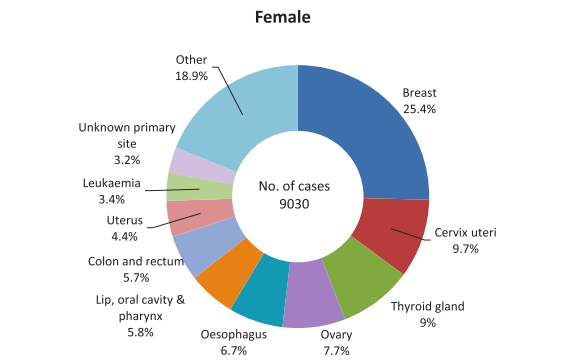
breast cancer

Despite being so common, breast cancer is also highly treatable if detected early. We break down the steps you can take to assess and lower your risk levels.

What is breast cancer?

Breast cancer is cancer that forms in the breast of the cells. 


What are the symptoms of breast cancer?

Generally, symptoms of breast cancer are linked to a palpable or visible change in the breast tissue. Some common symptoms includes:
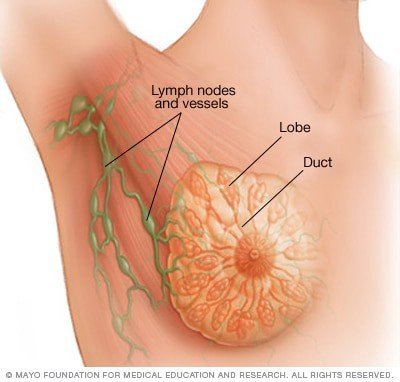
what is breast cancer
breast self-exam

This means that breast self-exams are extremely important. Regular exams help you get familiar with the normal shape and texture of your breasts so that any anomalies can be quickly identified. 

How to perform a breast self-exam in five steps

  1. Stand directly in front of a mirror, place your arms on your hips and look at your breasts. 

Look for: 

  • Breasts that are usual shape, size, colour
  • Breasts that are evenly shaped without any distortion or swelling

    2. Raise your arms and look for the same changes

Look for: 

  • Any fluid (watery, milky or yellow fluid or blood) coming out of your nipples
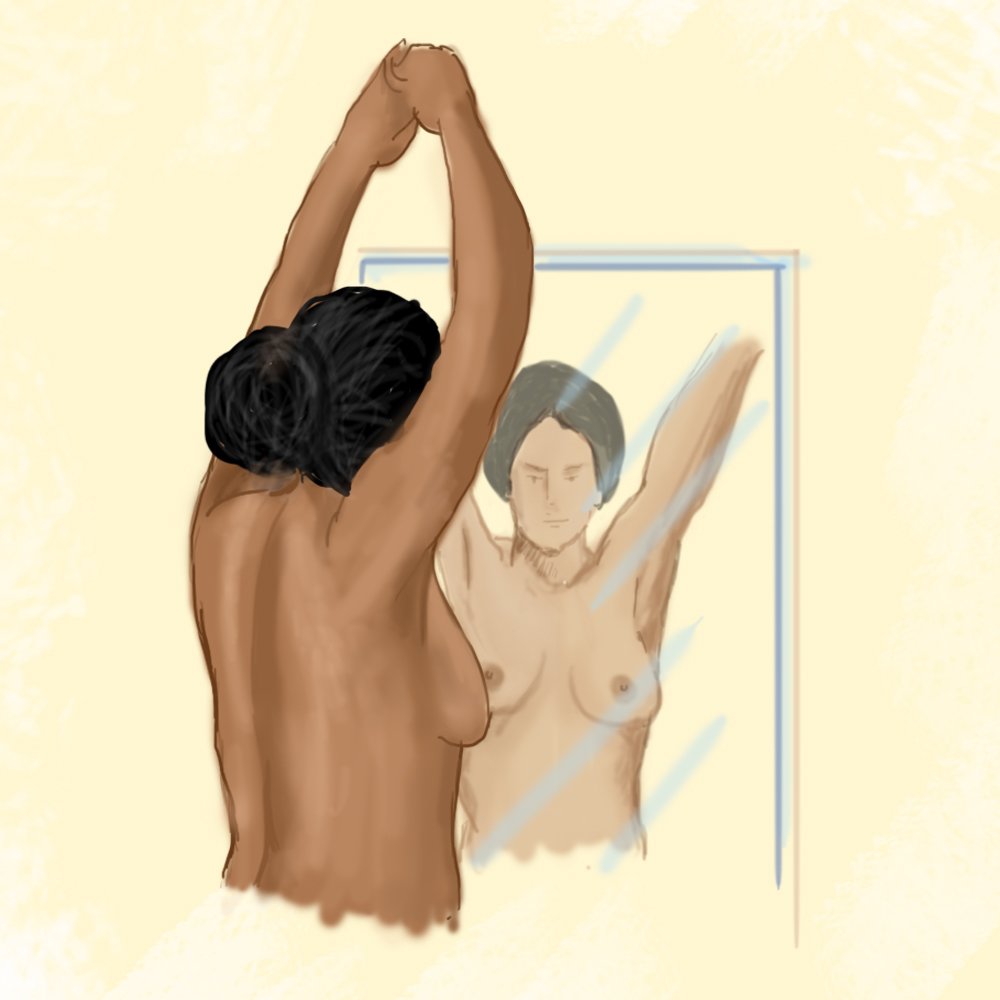
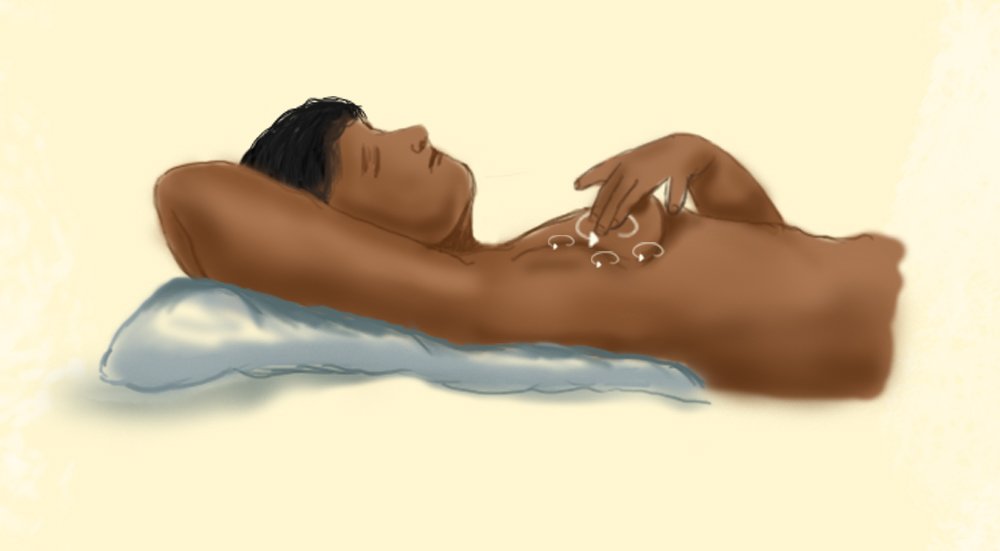
3. Lie down on a flat surface. Use your right hand to feel your left breast and vice versa. Use the finger pads of your hand to apply a firm and smooth circular motion (size of a coin) to your breast. Keep the fingers close together. 

Cover the whole breast from side to side, up to the collarbones and into the armpit. 

Feel for: 

  • Any lumps or bumps within the breast.
  • Feel for the texture of the lumps or bumps.
  • Check if the lump or bumps are movable.

4. Feel your breasts in the same manner whilst you are standing or sitting. This is ideally done in the shower as the water and soap allow for a smoother movement.

What to do if you discover a lump or any visible changes

Do not panic. Not all breast lumps or bumps mean breast cancer. In fact, most turn out to be benign (non-cancerous). Non-cancerous breast lumps can be caused by hormonal changes, injuries or a benign condition. However, it is vital that all bumps are discussed with a medical professional. 

Don’t be shy, speak to a medical professional. Early detection does save lives. So if you have noticed a lump lasting for longer than one menstrual cycle, it’s important to speak to a family doctor or a GP. The doctor will most often refer you to an imaging test. Ultrasounds are often the only test used for women under 30 whilst ultrasound and mammograms are used for women over 30. 

Do ask questions. Here are a few you can ask your GP to help you gain clarity.

  • What tests are needed to find out if the lump is cancerous?
  • In addition to a physical exam of my breasts, will you check the lymph nodes in my armpits and neck?
  • Should I get a mammogram?
  • Will I need a biopsy?
  • What does a biopsy involve?
  • How long will it take to get the results?
  • If the tests are negative but the lump is still there, what are the next steps?
  • If the tests are clear and the lump goes away, how often should I follow up with you?

If unsatisfied with answers or level of care, do get a second opinion. 

How often should I perform a breast self-exam?

Do it every month around 7-10 days after your period starts. This is when your breasts are as tender or lumpy and make sure to examine them before  you start menstruating as well. Therefore, you can understand the natural changes. 

If you are no longer menstruating, do it at regular intervals every month.

In both instances, make sure to journal the changes with date

What are the risk factors?

Risk factors are aspects that make it more likely that someone could develop breast cancer, however, having one or a combination of these factors doesn’t mean you’ll get it. A healthy awareness of risk factors will allow you to take steps to mitigate the risk.

    • Gender: women are more likely than men to develop breast cancer
    • Age: incidence of breast cancer increases with age
    • Personal history of breast conditions or breast cancer: if you have developed breast cancer in one breast, there is a higher risk of developing it on the other.
    • Family history of breast cancer: if a close female relative has experienced breast cancer, there is an increased risk however in most diagnosed patients, there is no family history of breast cancer
    • Genetic predisposition: the most well-known gene mutations are the BRCA1 and BRCA2 and can be passed from parents to children. Though these genes can greatly increase the risk, it is not inevitable. 
    • Obesity
    • Alcohol intake
    • Postmenopausal hormonal therapy: whilst women are on hormone replacement medications, they have an increased risk. However, once they stop the medications, this risk declines. 
    • Beginning your period at an age younger than 12
    • Beginning your menopause at an older age
    • Having never been pregnant
    • Having your first child at an age older than 30

How can I reduce my risk of breast cancer?

Whilst there are no hard and fast rules on ensuring one doesn’t develop breast cancer, the following non-exhaustive list is to help you mitigate your risk:

  1. Regular self-exams
  2. Consuming alcohol in moderation 
  3. Exercising at least 30 minutes four times a week
  4. Maintaining a healthy weight 
  5. Consuming a healthy, balanced, sustainable diet
  6. Limiting postmenopausal hormone therapy 
  7. Limit exposure to radiation

When it comes to breast cancer, early detection does help save lives. 

Make sure to carry out your self-examination, consult your doctor regularly and live a healthy life. Ignorance is usually bliss, just not here.

In 2022, Breast Cancer Awareness month focuses on the disparity of resources to fight this disease across the globe. If you are looking to take the first step, we are here

If you’d like to speak with a GP or a family doctor to discuss your questions or concerns, our oDoc partner doctors are available. Download oDoc here to get started. 

Sources

  1. Breast Self-Exam, Breastcancer.org (2022)
  2. What Is Breast Cancer?, CDC (2022)
  3. Breast cancer, Mayo Clinic
Shares

Similar Articles...

Endometriosis

Endometriosis No woman looks forward to “that time of the month.” Dealing with nausea, stomach cramps, mood swings, back pains and fatigue, all whilst facing

Read More »

Channel a doctor in just three taps

Download oDoc Now

Back to oDoc Blog

Categories
Blog Article

Cervical Cancer: What You Need To Know

Cervical Cancer: What You Need To Know

Shares

Cervical cancer is a type of cancer that occurs in the cells of the cervix — the lower part of the womb that connects to the vagina. Ladies, here’s what you need to know. Gentlemen, don’t scroll past this, if you have women in your life that you care about, here’s what YOU need to know!

Even though this might not be a topic to casually slip into conversation with friends or family members, it is important to know the causes, symptoms, risk factors and preventative measures both men and women have to take when it comes to cervical cancer.

pap smear

What are the best ways to prevent cervical cancer?

  • Pap smears – One of the easiest ways to prevent cervical cancer is by getting screened regularly by your gynecologist who will conduct routine pap smears. Screening picks up precancerous cells, so they can be treated before they turn into cancer. If you are over the age of 25, It’s highly recommended to do annual check-ups with your gynecologist, where pap smears can be done every 5 years.
  • HPV vaccination – Currently, the HPV vaccine is given to children along with all their other jabs. For those of you who did not receive the HPV vaccine and if you’re under the age of 25, we recommend getting vaccinated, regardless of your gender and help prevent cervical cancer!
  • Limit the number of sexual partners you have.
  • Practice safe sex – Always use a condom or other barrier method when you have vaginal, oral, or anal sex.
  • Don’t smoke – Smoking is associated with a certain type of cervical cancer, called squamous cervical cell cancer.

Ladies, if you’re sexually active, it’s important to speak to a doctor about pap smears and the HPV vaccine. You don’t need to be nervous to broach the topic as these conversations only help you live your best, healthy life!

What causes cervical cancer?

Various strains of the human papillomavirus (HPV), a sexually transmitted infection, play a role in causing cervical cancers. There are about a 100 strains of HPV and only a few types cause cervical cancer. Being infected with a cancer-causing strain of HPV doesn’t mean you’ll get cervical cancer. Your immune system eliminates the vast majority of HPV infections, often within two years.


HPV is a very common infection. Read more about HPV in our blog here.

In a small percentage of people, however, the virus survives for years, contributing to the process that causes some cervical cells to become cancer cells.

Symptoms of cervical cancer

The early stages of cervical cancer produces no signs or symptoms which makes it difficult for most women to know that they have the disease. When symptoms do appear, they’re easily mistaken for common conditions like menstrual periods and (UTIs).

Typical cervical cancer symptoms are:

  • Unusual bleeding, such as bleeding in between periods, after sex, or after menopause
  • Vaginal discharge that looks or smells different than usual
  • Pain in the pelvis
  • The need to urinate more often
  • Pain during urination

What factors increase the risk of getting cervical cancer?


HPV is the biggest risk for cervical cancer but other factors include:

  • Sex with many different partners, who themselves have many sexual partners can increase the chances of getting HPV.
  • Having other STIs — such as chlamydia, gonorrhea, syphilis and HIV/AIDS
  • Smoking
  • Early sexual activity – Having sex at a younger age can increase your risk of contracting HPV
  • Taking birth control pills
  • An unhealthy diet

How does a doctor diagnose cervical cancer?


A pap smear is a test doctors use to diagnose cervical cancer. To perform this test, your doctor collects a sample of cells from the surface of your cervix. These cells are then sent to a lab to be tested for precancerous or cancerous changes. Cells which contain HPV can remain in the body for a long time, which is why with regular pap smears every 3 years, doctors can detect precancerous cells and remove them in a painless procedure – preventing those cells from becoming cancerous.

Consult a gynecologist on the oDoc app today to find out more. 

References:

  • Cervical Cancer, Mayo Clinic (2021)
  • Everything You Need to Know About Cervical Cancer, Healthline (2019)
Shares

Similar Articles...

Endometriosis

Endometriosis No woman looks forward to “that time of the month.” Dealing with nausea, stomach cramps, mood swings, back pains and fatigue, all whilst facing

Read More »

Channel a doctor in just three taps

Download oDoc Now

Back to oDoc Blog

Home Care – New Page (Sept 2021)

Home Quarantine with oDoc.

Home isolation doesn’t mean you are alone.
Have an experienced doctor virtually monitor
your symptoms while you isolate.

* Supplementary to govt services. Terms and Conditions apply.
* Home Care with oDoc and Post Covid Care are not to be used in case of an emergency.
Please contact your local PHI or area MoH if you have an emergency situation.
You can call 1990 for an ambulance if needed.

Home Quarantine with oDoc.

Home isolation doesn’t mean you are alone. Have an experienced doctor virtually monitor your symptoms while you isolate.

* Supplementary to govt services.
Terms and Conditions apply.
* Home Care with oDoc and Post Covid Care are not to be used in case of an emergency. Please contact your local PHI or area MoH if you have an emergency situation. You can call 1990 for an ambulance if needed.

oDoc Covid Care

Home isolation doesn’t mean you are alone. Have an
experienced doctor virtually monitor your symptoms
while you isolate.

oDoc Post-Covid Care

Recovered from COVID-19 but still experiencing
Long Covid or secondary infection?
The oDoc Post-Covid care package is for you!

oDoc Covid Care

Home isolation doesn’t mean you are alone. Have an experienced doctor virtually monitor your symptoms while you isolate.

Post-Covid Care

Recovered from COVID-19 but still experiencing Long Covid or secondary infection? The oDoc Post-Covid Care pacakge is for you!

oDoc Covid Care

Home isolation doesn’t mean you are alone. Have an experienced doctor virtually monitor your symptoms while you isolate.

oDoc Covid Care

Recovered from COVID-19 but still experiencing Long Covid or secondary infection? The oDoc Post-Covid Care package is for you!

Home isolation doesn't mean you're alone.
Home Care with oDoc is there for you.

Home isolation doesn't mean you're alone. Home Care with oDoc is there for you.

Home Care with oDoc

Doctor Consultation

LKR 6,500 – 14 Days
LKR 4,500 – 07 Days

A designated Doctor assigned to you to virtually monitor your symptoms daily. Have a Doctor by your side at all times.

Home Care with oDoc

Doctor Consultation

LKR 6,500 – 14 Days
LKR 4,500 – 07 Days

A designated Doctor assigned to you to
virtually monitor your symptoms daily.
Have a Doctor by your side at all times.

Home Care with oDoc

Post-Covid Care

LKR 4,800

oDoc Post-Covid Care includes:

4 weekly consults with a dedicated general practitioner
–
A consult with a chest physician
–
Rs. 500 off medicine delivered via oPharma
–
Rs. 500 off mobile lab services via oLabs

Home Care with oDoc

Post-Covid Care

LKR 4,800

oDoc Post-Covid Care includes:

  • 4 weekly consults with a dedicated general practitioner
  • A consult with a chest physician
  • Rs. 500 off medicine delivered via oPharma
  • Rs. 500 off mobile lab services via oLabs

Home Care with oDoc

Doctor Consultation

LKR 6,500 – 14 Days  |  LKR 4,500 – 07 Days

A designated Doctor assigned to you to virtually monitor your symptoms daily. Have a Doctor by your side at all times and enjoy free delivery on Uber Eats.

Home Care with oDoc

Post-Covid Care

LKR 4,800

oDoc Post-Covid Care includes:

  • 4 weekly consults with a dedicated general practitioner
  • A consult with a chest physician 
  • Rs. 500 off medicine delivered via oPharma 
  • Rs. 500 off mobile lab services via oLabs
WHAT THEY SAY

Home Care Reviews

WhatsApp us on +94 77 077 3333 for any help.

If you prefer paying via Bank Transfer feel free to get in touch with us for assistance. 

Home isolation doesn’t mean you’re alone.

Home Care with oDoc is there for you.

Help?

If you prefer paying via Bank Transfer feel free to get in touch with us for assistance. 

Whatsapp: +94 77 077 3333

WhatsApp: +94 77 077 3333

For Terms & Conditions: Click Here

Categories
Blog Article

How Hard Is It To Ask, ‘‘Are You Okay?’’

How hard is it to ask, ‘are you okay?’

Suicide is one of the most common causes of premature deaths amongst people who have a mental illness. Every year approximately 703,000 people take their own life and a more significant number attempt suicide. Here, we tackle some questions regarding this difficult subject, which we hope will help you or a loved one:

  • What do we know about suicide? 
  • What are some myths about suicide?
  • Does one signal warnings before committing suicide? 
  • How to recognise if someone you know is struggling with thoughts of suicide, and how to help them? 
  • How critical is the situation?
What drives so many people to take their lives?
 

For those who haven’t experienced depression and despair, it’s sometimes challenging to understand what leads to suicidal thoughts. It’s usually an attempt to escape unbearable suffering or pain. 

Often, the people who are led to suicide are blinded by hopelessness, loneliness, self-loathing, without any form of escape outside of death.

What are the Myths and Facts about committing suicide?

Myth: There is no way of stopping someone determined to commit suicide.

Fact: People don’t attempt suicide because they want to die but because they want the pain to stop. 

Suicide is preventable. Even if someone is severely depressed or in pain, their thoughts about ending their life do change. Hence, immediate practical help like staying with the person, providing them assurance and comfort, encouraging them and making future plans can divert their intention from attempting to take their life.

“They’re doing great. Life is wonderful. How could they even contemplate suicide?’ But you don’t know what’s going on inside of someone?”

Myth: Suicidal talk is childish and most often just to seek attention.

Fact: Any suicidal talk or behaviour has to be taken seriously.

It is not just a warning sign that someone could be thinking about suicide.  It could be a cry for help.

The following actions could be signs that someone is contemplating suicide: 

  • Talking about suicide
  • Self-destructive behaviour 
  • Hopelessness towards the future
  • Acting anxious, agitated, or reckless
  • Talking about feeling trapped or being in unbearable pain
  • Increasing the use of alcohol or drugs

The best way to help prevent suicide is by noticing these signs and acting upon them immediately.

Myth: Reaching out to ask if someone is okay when going through a difficult period may not be helpful, especially if they won’t respond.

Fact: It’s okay to ask, “are you okay” and not know what to say after that.

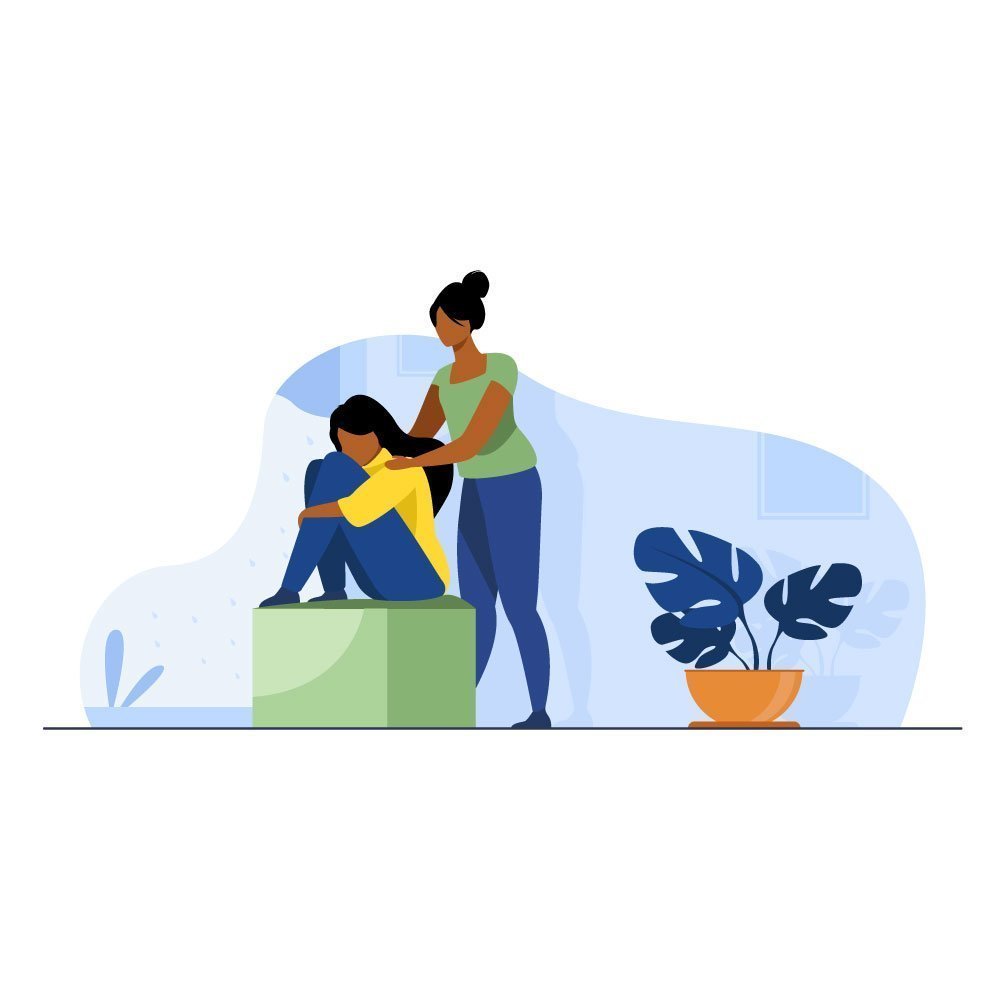
Providing advice and solutions to a person who is contemplating suicide is not always the answer. Most often, all they need is someone to listen to them. Listening is very powerful, and it validates the emotions that someone is feeling. 

Myth: Non-experts should not help suicidal people.

Fact: One doesn’t have to be an expert to ask if someone is okay.

In fact, there is no need to treat the problem at all. All that’s required from a friend or loved one is to be present and then guide them to someone who can help.

If you are or know of someone who may be contemplating suicide, it may be helpful to guide them to speak with a mental health professional on oDoc. They then have the flexibility of speaking from the comfort & privacy of their home. To consult, please download the oDoc app here. For additional resources, please visit http://www.suicide.org/hotlines/international/sri-lanka-suicide-hotlines.html 

Know that secrets can kill.

If someone confides in you about their plans of suicide and requests confidentiality, please note you may need to break this confidentiality to help save their life. 

It is always better to have your loved ones alive yet angry with you than keeping their secret safe, leading to them taking their lives.

 “Suicide doesn’t end the chances of life getting worse; it eliminates the possibility of it ever getting any better.”


Sources

  1. Suicide prevention, HelpGuide (2020)
  2. Suicide and Suicide Prevention: Understanding the risk factors, prevention, and how you can help yourself or someone who is struggling right now, Psycom (2021)
  3. 7 common suicide myths—debunked, Aetna (2021)
  4. The Myths and Facts of Youth Suicide, Nevada Division of Public and Behavioral Health (DPBH) Office of Suicide Prevention
  5. Warning signs of suicide, Save (2021)
  6. Suicide, World Health Organisation (2021)
  7. Fears that stop the question ‘are you okay?’, Sane Australia (2017)
Shares

Similar Articles...

Channel a doctor in just three taps

Download oDoc Now

Back to oDoc Blog

PQ7Q4NPB

English
0
    0
    Your Cart
    Your cart is empty