Insomnia - Everything You Need To Know

People with Insomnia find it hard to fall asleep, stay asleep or even go back to sleep if woken up. Insomnia may cause someone to feel tired when woken up, drain their energy level, resulting in a low performance at work, mood swings and even some adverse health conditions such as diabetes, hypertension and weight gain.
The amount of sleep needed varies from person to person. However, an average person needs at least six to nine hours of sleep. Quality sleep plays a vital role in overall well-being. Not getting sufficient sleep regularly can significantly impact physical and mental health along with the quality of life.
What are some insomnia symptoms?
Insomnia is defined as:
- Difficulty in falling asleep at night
- Waking up in the middle of the night
- Waking up too early
As a result, here are a few other symptoms related to the lack of sleep:
- Feeling drained out/tired
- Difficulty in focusing or paying attention
- Increase in carelessness
- Feeling tired and lethargic during the day
- Feeling anxious or depressed
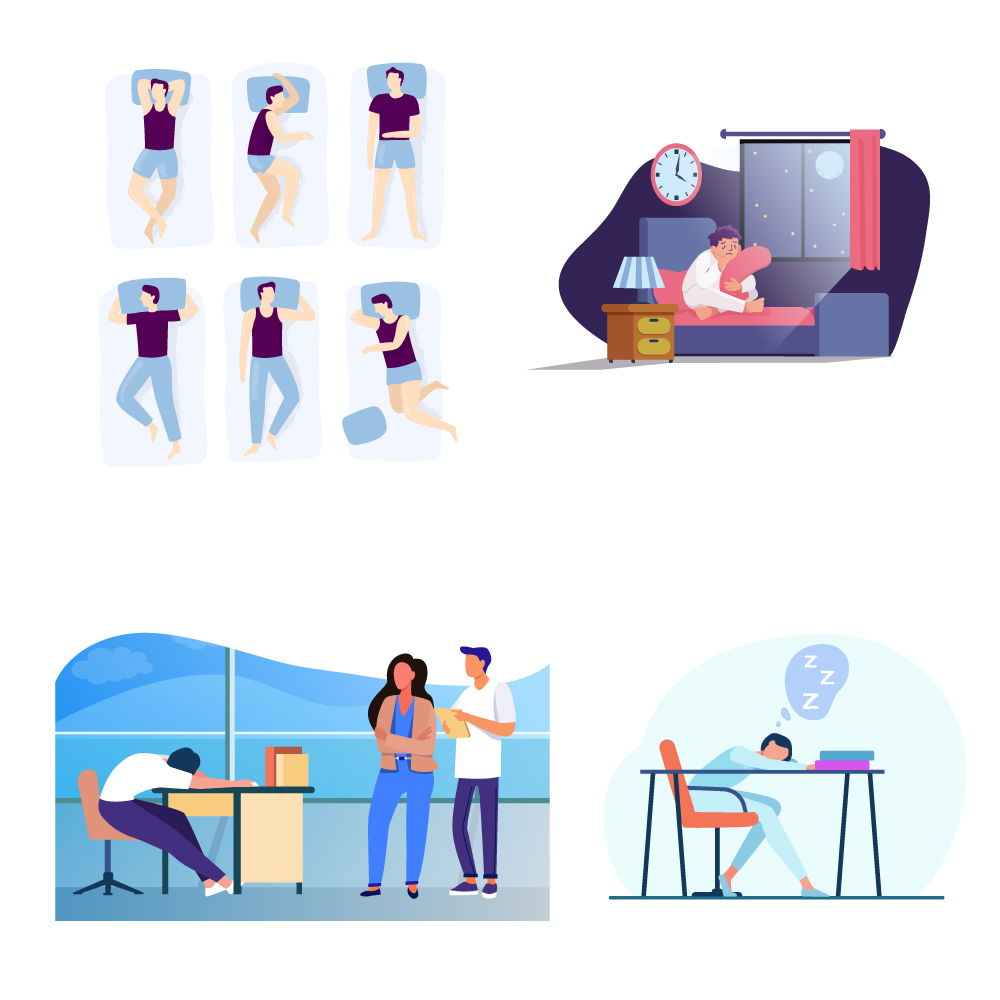
Insomnia can be both short-term and long-term. Short term insomnia tends to last for a few days or weeks and is often triggered by stress. Whereas long-term or chronic insomnia is when sleep difficulties occur at least three times a week for three months or longer.
What causes insomnia?
Insomnia may be the primary problem, or it may be associated with other health conditions. However, several things may contribute to insomnia, including environmental, physiological, and psychological factors.

Causes for chronic insomnia include:
- Stress: Concerns regarding jobs, education, finance, family and health can affect the mind’s activity at night, making it difficult to fall asleep.
- Schedule: Circadian rhythms are 24-hour cycles that are part of the body’s internal clock running in the background to carry out essential functions and processes. One of the most essential and well-known circadian rhythms is the sleep-wake cycle. When the sleep schedule is disrupted due to working/studying till late at night, travelling across multiple time zones, working a late or early shift, or frequently changing shifts, it makes it difficult to fall asleep.
- Poor sleep habits: Eating, watching TV till late, using smartphones, playing video games before bed can interfere with the sleep cycle. Similarly, poor sleep habits include an irregular bedtime schedule, naps, an uncomfortable sleep environment, and using the bed for work, eating or watching TV.

Common causes of insomnia include:
- Mental health: Trauma, anxiety, depression could affect the sleeping patterns, leading to insomnia.
- Medication: Many prescribed drugs can interfere with sleep, especially severe illnesses.
- Illnesses: Insomnia is influenced by medical conditions such as cancer, diabetes, asthma, Parkinson’s and heart diseases.
Additionally, excessively drinking caffeine may also cause irregular sleeping habits, while nicotine in tobacco products is another stimulant that can interfere with sleep. On the other hand, alcohol may help fall asleep, but it prevents deeper stages of sleep and often causes awakening in the middle of the night.
What are the risk factors of insomnia?
Almost everyone has experienced a couple of sleepless nights. However, the risk of insomnia is more significant if someone falls into a specific demographic or experiences certain lifestyle factors:
- Over the age of 60: Changes in sleep patterns and health.
- Women: During the menstrual cycle and menopause, the hormonal shifts influence sleep patterns. Further, during menopause, night sweats and hot flashes often disrupt sleep. Insomnia is common during pregnancy, especially in the first and third trimesters.
- Mental or physical health condition.
- Constant stress
- Irregular schedule
How can insomnia be prevented?
Good sleep habits will help improve sleep and prevent insomnia.
- Consistent bedtime and wake up time
- Stay active (regular physical activities)
- Create a bedtime routine that will help get in the mood to sleep (Taking a warm bath, reading or listening to soft music.)
- Avoid or minimise caffeine, alcohol, and prevent the use of nicotine.
- Avoid large meals and beverages before bedtime.
- Keep the bedroom dark, quiet and cool to make it comfortable.

Insomnia is not a nuisance or a small inconvenience but an actual sleep disorder that can significantly impact one’s physical, mental and emotional health.
If you think you have insomnia, feel free to reach out to a healthcare professional via the oDoc app as soon as possible. They can assist you in exploring the possible causes and offer help with finding the best treatment for your needs.
References
- Insomnia, Cleveland clinic (2020)
- Insomnia, Mayo Clinic (2016)
- Everything you need to know about Insomnia, Healthline (2022)
- Circadian Rhythm, Sleep Foundation (2022)
Similar Articles...
Let’s talk flu, its prevention and home remedies.
Boo-ger season is here! Let’s begin by defining flu (short term for influenza) because it’s usually misunderstood as fever or cold. Flu is a common
Menopause Brain Fog is real: A Simple Guide with Symptoms and Treatment
Menopause Brain Fog is real: A Simple Guide with Symptoms and Treatment Women in their 40s and 50s who are just entering the end of
How to Keep Work Stress from Taking Over Your Life
How to Keep Work Stress from Taking Over Your Life In today’s fast-paced and competitive world, work stress has become an all-too-common problem that affects
