New Parents Blogs

NEW PARENTS RELATED ARTICLES

The Second Trimester

They say there is no better feeling than the movement of life inside of you and that is the most magical thing about the second

Read More »

The First Trimester

Happy, anxious, nervous, scared, overjoyed and excited. These are just a few of the emotions you may experience when you first find out you are

Read More »
Categories
Blog Article

How to get the most out of your consultation

How to get the most out of your consultation

Written by Dr. Haroon Thowfeek

Shares

Before your consultation on oDoc, it is best to be well prepared. A well-organized patient not only makes efficient use of the doctor’s time but is also likely to get better medical care, as they are helping the doctor a great deal in making an accurate diagnosis. Here are the steps you can take:

  • Create a list of issues or queries you want to discuss
  • Makes sure you have all your medical records with you. You may even bring a note book to jot down all the important information the doctor tells you.
  • Remember to inform your doctor about all your symptoms. List them in a chronological order, starting from the time when you first noted that something was not right
  • Make a list of all the medications you are taking or let your doctor know what remedies you have tried earlier, and whether they have helped you or not. Alternatively, you can collect all your medicines and show them to your doctor.
  • If you have consulted a doctor earlier or have undergone relevant tests, please share this information with your present doctor. This information will help your doctor plan your treatment better.

Once you’ve spoken about the above with your doctor, you can ask him what he thinks your condition could be. If you do not agree with the doctor’s diagnosis, make sure to ask them more questions and understand why the doctor has come to this diagnosis. If you do not agree with it, you are unlikely to follow his advice and treatment, so it is always best to get your concerns sorted.

When the doctor presents you with a diagnosis, you can ask the following questions:

  • What is the diagnosis? Find out the complete medical name – and what it means in plain Sinhala/Tamil/English!
  • What is my prognosis (outlook for the future)?
  • What changes, if any, will I need to make in my daily life?
  • Is there a chance that someone else in my family might get the same condition?

If you cannot understand your doctor’s explanations, here are a few questions you can ask:

  • Could you explain in simple Sinhala/Tamil/English?
  • Can you write it down for me?
  • Can you draw what you are describing?
  • Where can I find more information about this subject?

What happens if you and your doctor differ about a treatment option? Let me point out that there’s a right way of approaching your doctor and a wrong way. It’s simply a matter of mutual respect; you wouldn’t want your doctor to assume the worst about you, so, don’t assume the worst about him! Often, if you can put across your feelings and apprehensions in the right way, you can get your doctor to help you. Explain your needs to the physician in a polite way, without any belligerence or hostility. Remember that you are both on the same side – yours!

In order to best support your doctor and them you, make sure to do the following:

  • Get ready for your appointment on time or if you are unable to make the appointment, cancel ahead of time  
  • Do your best to explain exactly what is bothering you. i.e. You can express your anxieties and apprehensions clearly.
  • Answer the doctor’s questions honestly.
  • Volunteer any important information that the doctor may not specifically ask about, including family history.
  • Let the doctor know if you cannot follow his directions and specify the reasons why.
  • Take medications as directed, strictly adhering to the dose schedule. Do not stop taking your medication once you feel better. Make sure to stick to the timelines your doctor has provided you with.
  • If you disagree with your doctor, express your  dissatisfaction in a courteous manner

While your doctor can provide guidance on your sicknesses or any medical conditions, you will be doing most of the legwork in getting your mind and body to its healthiest state.  So take an active interest in your medical care. After all, this is the only body you have! Patients who know how to make the most of their doctor get better medical care. Therefore, it’s very important that you learn how to do so!

dr haroon thowfeek

Dr. Haroon Thowfeek, MD

Family Physician on oDoc

SLMC Number 35006

Sri Jayewardenepura General Hospital

Shares

Similar Articles...

Channel a doctor in just three taps

Download oDoc Now

Back to oDoc Blog

Mental Health Blogs

MENTAL HEALTH RELATED ARTICLES

How To Manage Stress

With the cost of living rising rapidly by the day, the currency devaluing, and the country falling into economic decline, it is no surprise that

Read More »

What Is A Panic Attack?

If you know, you know. Your heart pounding in your chest, your breaths are becoming shorter and shorter and the dizziness is setting in. You

Read More »

5 Myths About Therapy

5 myths about therapy “You don’t need therapy, it’s all in your head…” Seeking out professional help to discuss emotional issues, be it relationship conflicts,

Read More »

Categories
Blog Article Women's Health

All you need to know about Gestational Diabetes

All you need to know about Gestational Diabetes

Shares

Did you know that gestational diabetes mellitus, also known as GMD, is one of the most common medical complications of pregnancy?

What is GMD? Why does it happen? Can you prevent it? Keep scrolling for answers.

So, let’s start with the basics. What is gestational diabetes?

Gestational diabetes is high blood sugar that develops during pregnancy and usually disappears after giving birth. Many hormones are involved in maintaining the blood sugar level. As the hormone levels fluctuate during pregnancy, they prevent the body from using insulin effectively, leading to insulin resistance. This causes  glucose  build-up in the blood instead of being absorbed by the cells. Typically, the pancreas can make additional insulin to overcome insulin resistance, but when insulin production is not enough to overcome the effect of the placental hormones, gestational diabetes results.

A study conducted by Kai Wei Lee et., found the prevalence of GDM in Asia was 11.5%. GMD can happen at any stage of pregnancy but is more common in the second or third trimester.

But why is that?

Scientists have not been able to identify the exact hormone that causes GDM in pregnant women. But, many scientific theories suggest that as the placenta grows, more and more hormones are released, which increases risk of  insulin resistance. Thus, symptoms of GMD are seen more often in the 2nd and 3rd trimesters. 

What are the symptoms of GMD?

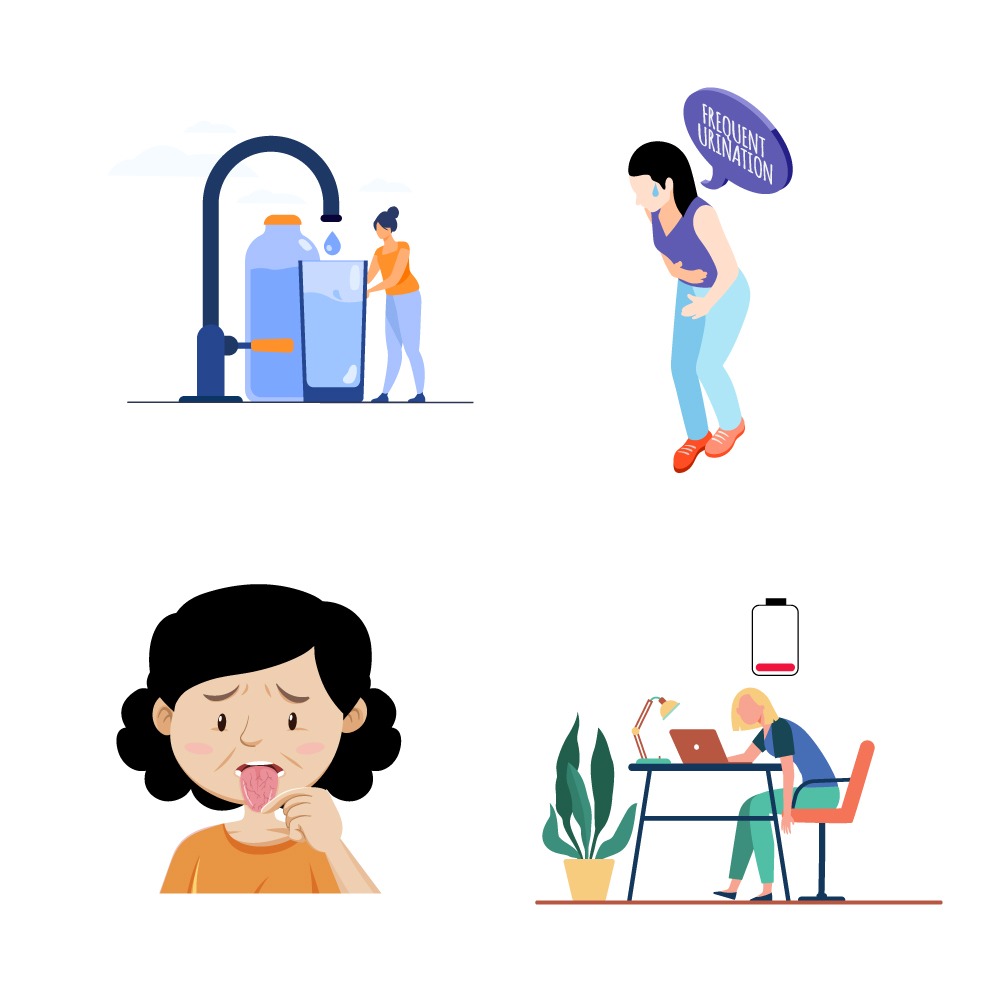
Many women who have GMD do not show symptoms, but the most common ones are: 

  • Increased thirst
  • Urgency to pee more often
  • Dry mouth
  • Tiredness
Gestational Diabetes Causes

These symptoms are relatively common during pregnancy and not necessarily a sign of GMD. If you are pregnant and have noticed these symptoms, you should speak to a VOG doctor or a general physician, via oDoc who will provide a prescription for a lab test. You can carry out the lab tests from the comfort of you home via oLabs too. 

Who is at risk?

GMD can affect any woman, but a list of risk factors identified by scientists increases the chances of developing GMD. 

The risk factors include

  • Being overweight before pregnancy
  • Having a family  history of diabetes 
  • Being Prediabetic (if you have a blood glucose level higher than normal but not high enough to be classed as diabetic.
  • Having PCOS 
  • Being older than 25 as they are at a greater risk for developing gestational diabetes than younger women
  • Having high blood pressure, high cholesterol, heart disease, or other medical complications
  • Having  given birth to a large baby (weighing more than 9 pounds)
  • Having had a miscarriage

How does GMD affect the mother and the baby?

More often than not, women who have GMD go on to have normal pregnancies and deliver healthy babies. However, in other circumstances, GMD can lead to:

  • Macrosomia. This is where the baby grows very large as they absorb the excess glucose in the mother’s blood and convert it into fat and are deposited. This leads to difficulties during labour, causing doctors to opt for induced labour and c-section. 
  • Too much amniotic fluid (the fluid that surrounds the baby) in the womb can cause premature labour or problems at delivery, known as polyhydramnios.
  • Premature birth
  • Low blood sugar (hypoglycemia) in the baby after delivery. This happens because the mum’s high blood sugar level also causes the baby to have a high blood sugar level, and after birth, it no longer has the high level of sugar from its mother, resulting in the newborn’s blood sugar level becoming very low.
  • Obesity and type 2 diabetes later in life for babies. Babies of mothers with gestational diabetes have a higher risk of developing obesity and type 2 diabetes later in life.
  • Stillbirth. Untreated, gestational diabetes can result in a baby’s death before or shortly after birth.
  • Future diabetes for the mother. If you have gestational diabetes, you’re more likely to get it again during a future pregnancy. You also have a higher risk of type 2 diabetes as you get older.

What are the treatment options?

The American Diabetes Association recommends screening for undiagnosed type 2 diabetes at the first prenatal visit in women with diabetes risk factors. In pregnant women not known to have diabetes, GDM testing should be performed at 24 to 28 weeks of gestation. 

If you are found to have GMD, don’t worry, as it can be treated, and complications can be reduced. The doctor may ask you to monitor your blood sugar level often, exercise often, eat healthily and maybe give insulin injections if necessary. 

How is it prevented?

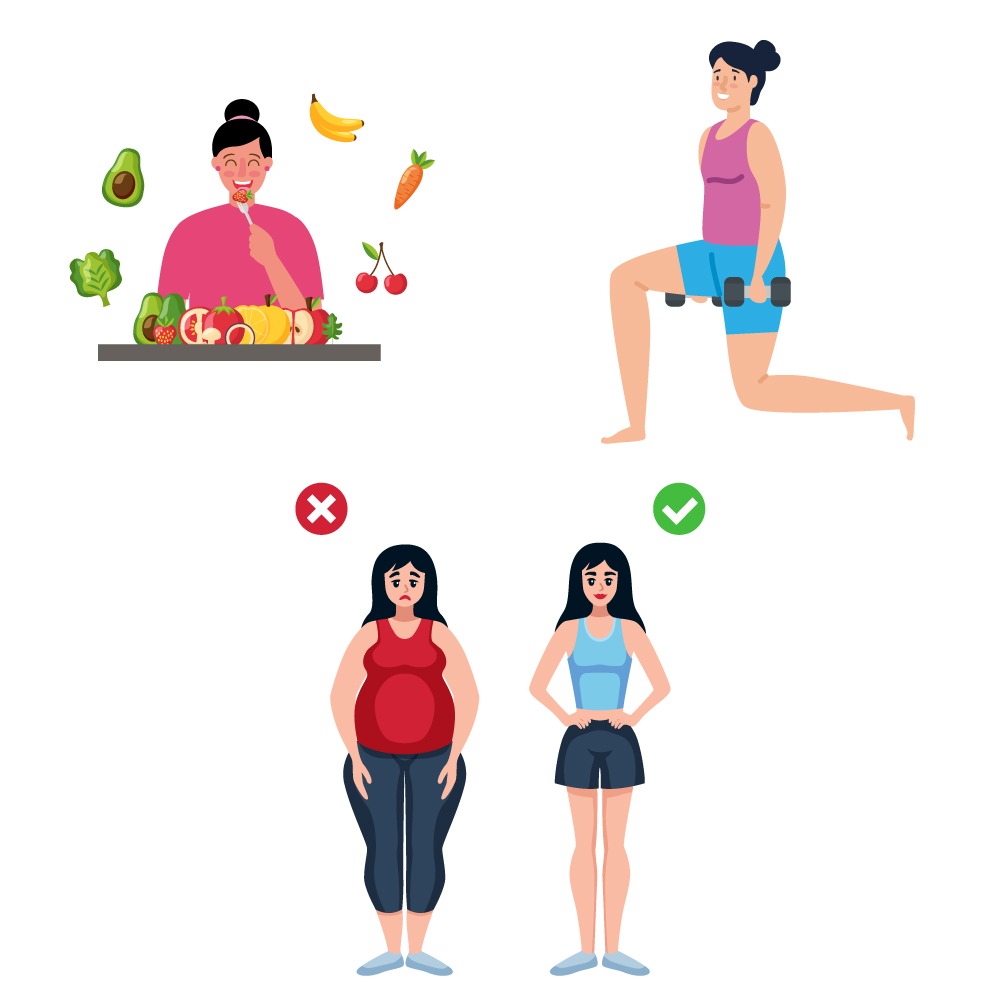
There are no guarantees for preventing gestational diabetes — but the more healthy habits you can adopt before pregnancy, the better.

So don’t forget to 

  • Eat healthy – Choose foods high in fibre and low in fat and calories.
  • Exercise often – Exercising before and safely during pregnancy can help protect you from developing gestational diabetes.
  • Start pregnancy at a healthy weight. If you’re planning to get pregnant, losing extra weight beforehand may help you have a healthier pregnancy.
Preventing Gestational Diabetes

If you are pregnant and experiencing any of the symptoms mentioned above or have any questions, you can speak to one of the Obstetricians, Gynaecologists or GPs on the oDoc app. Click here to download the app.

Sources 

  1. Alfadhli, E., 2015. Gestational diabetes mellitus. Saudi Medical Journal, 36(4), pp.399-406.
  2. Gestational Diabetes Mellitus (GDM). (n.d.). Johns Hopkins Medicine. Retrieved April 6, 2022, from 
  3. Gestational diabetes – Symptoms and causes. (2020, August 26). Mayo Clinic. 
  4. NHS website. (2021, November 29). Gestational diabetes. Nhs.Uk. 
  5. Lee, K.W., Ching, S.M., Ramachandran, V. et al. Prevalence and risk factors of gestational diabetes mellitus in Asia: a systematic review and meta-analysis. BMC Pregnancy Childbirth 18, 494 (2018).
Shares

Similar Articles...

Endometriosis

Endometriosis No woman looks forward to “that time of the month.” Dealing with nausea, stomach cramps, mood swings, back pains and fatigue, all whilst facing

Read More »

Channel a doctor in just three taps

Download oDoc Now

Back to oDoc Blog

English
0
    0
    Your Cart
    Your cart is empty